
MOUNTAIN PEPPER LEAF

- Botanical name
- Tasmannia lanceolata
- Also known as
- Pepperberry leaf (the berry is a separate product), Native pepper, Mountain pepperbush, Tasmanian pepper
- Main flavour compound
- Polygodial
- Part used
- Dried leaf
- Method of cultivation
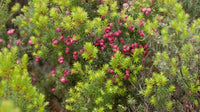
- Bushy shrub or small tree of the Winteraceae family, endemic to south-eastern Australia (the Blue Mountains of NSW south through the ACT and Victoria to Tasmania, at altitudes of 300–1,400 m). The plant grows 1.5–4 metres tall, with lance-shaped leaves and reddish young branchlets. It is dioecious — male and female flowers are on separate plants — and only female plants produce the dark berries that are sold separately as Pepperberry.
- Commercial preparation
- Leaves are harvested from cultivated or wild-collected plants, gently dried, and either sold whole or cracked. The leaf is less sharp than the berry but shares much of the same chemistry.
- Non-culinary uses
- Bushfood spice market (alongside Pepperberry); some traditional Indigenous use; ornamental garden plant in cool temperate Australian gardens.
Mountain Pepper Leaf — Tasmannia lanceolata — is a bushy shrub or small tree of the Winteraceae family, endemic to south-eastern Australia. The plant grows 1.5–4 metres tall, with smooth reddish branchlets and lance-shaped leaves, at altitudes of 300–1,400 metres across NSW's Blue Mountains, the ACT, Victoria's high country and Tasmania. [source] It is dioecious — separate male and female plants — and only the females produce the dark maroon-to-black berries sold as Pepperberry. The leaf carries the same characteristic peppery chemistry as the berry but in a milder form, more suitable for slow extraction.
Whole dried leaf
Crumble lightly to release the polygodial.
Cracked
Faster extraction.
Region of cultivation
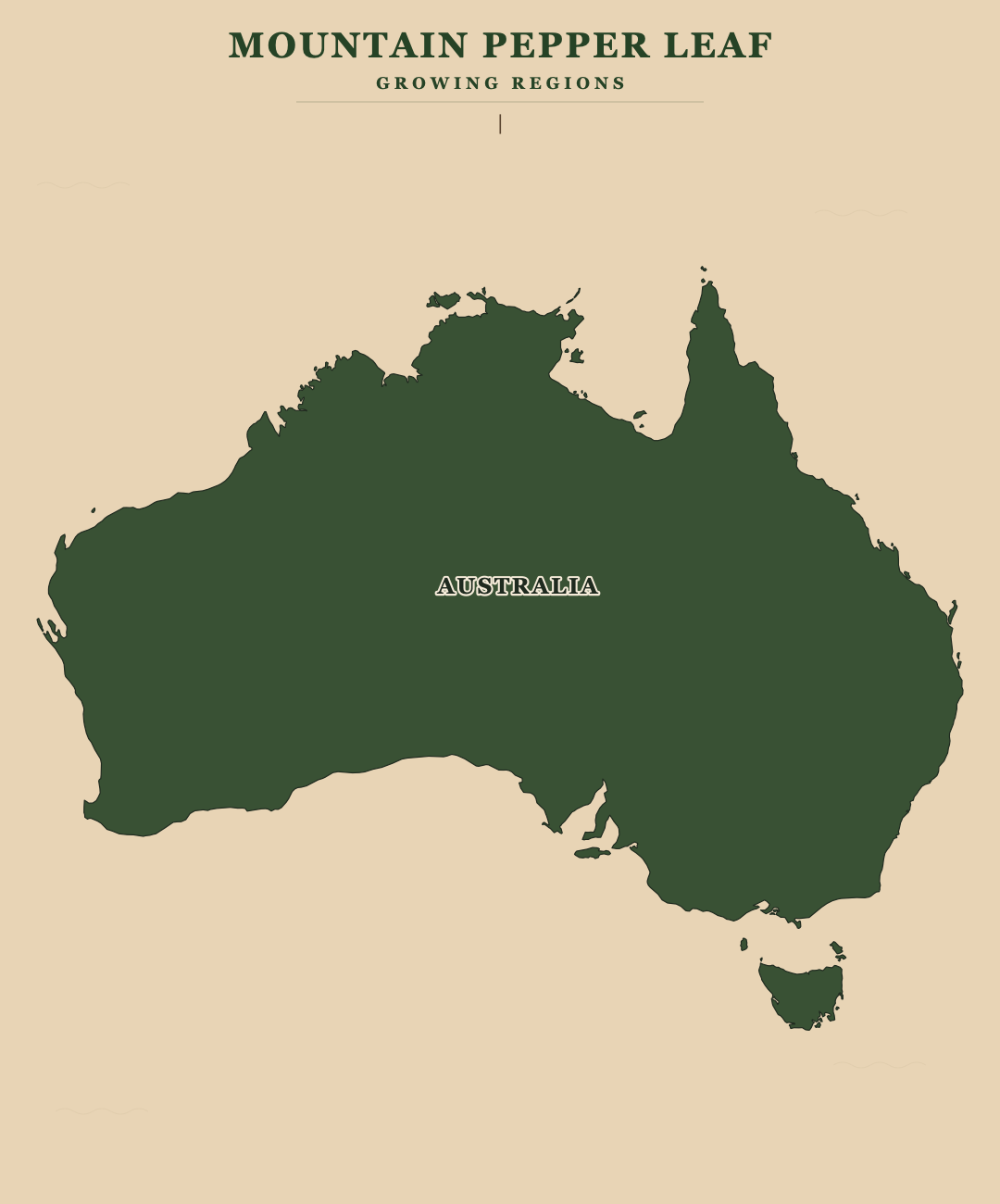
Mountain Pepper Leaf is native to Australia, Australia — Tasmania, Victorian highlands, southern NSW (Blue Mountains), with secondary growing regions in Plantation cultivation in cool temperate eastern Australia. |
Spice Story
Mountain Pepper is one of the foundational Australian native spices — sharper and more aromatic than imported black pepper, with a characteristic slow-building warmth that no other peppercorn matches. The leaf has been a traditional bush food and medicine for tens of thousands of years across south-eastern Australia. Commercial cultivation began in the 1980s and grew rapidly through the bushfood movement of the 1990s. Both leaf and berry now appear across modern Australian native cuisine and increasingly in craft gin, where they provide distinctive native-pepper character.
Gin Creativity
Mountain Pepper Leaf brings sharp pepper warmth with a cool aromatic background. A full sachet pushes a gin firmly into clearly native-pepper territory; a half-sachet provides quiet peppery depth that integrates with juniper. Pair with Pepperberry for layered native-pepper character, or with Lemon Myrtle for a bush-spice blend.
Blending Science
Main flavour compounds
 Polygodial—
 Limoneneclean citrus lift
 Alpha-Pinenefresh pine, top note
 Anthocyanins (in berries)—
Pairs well with
Polygodial is the signature compound — a sesquiterpene dialdehyde responsible for the characteristic slow-building pepper warmth and one of the most distinctive bush-spice flavour molecules. [source] Limonene layers a citrus brightness. Alpha-pinene adds a resinous backbone that bridges to juniper. Heat-stable; both vapour and warm maceration work cleanly.
Food Partners
- Native bush spice rubs — Mountain Pepper with pepperberry and lemon myrtle.
- Game-meat reductions — kangaroo, venison, wild boar.
- Smoked meats — Mountain Pepper deepens smoke character.
- Roasted root vegetables — Mountain Pepper-gin glaze.
- Aged cheese — Mountain Pepper-gin in cheese reduction.
Cocktails To Try

- Bush Negroni — Mountain Pepper gin, Campari, vermouth.
- Native G&T — Mountain Pepper gin, native tonic, fresh pepperberry garnish.
- Smoky Old Fashioned — Mountain Pepper gin, demerara, native bitters.
Release The Flavour
- Heat-friendly — polygodial survives both vapour and warm maceration.
- Crumble gently — exposes the volatile compounds.
- Time — 24–48 hours for full development.
- Pair with juniper — Mountain Pepper reinforces rather than competes.
Discover more
From the same region
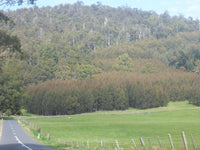
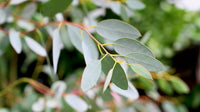
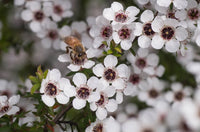
Pairs well with
Same flavour family
Surprise me
Sources & Citations
- scientific_name (Tasmannia lanceolata, Winteraceae):en.wikipedia.org/wiki/Tasmannia_lanceolata
- endemic_to_southeast_australia:en.wikipedia.org/wiki/Tasmannia_lanceolata
- altitude_range_300-1400m:en.wikipedia.org/wiki/Tasmannia_lanceolata
- dioecious_separate_male_female_plants:en.wikipedia.org/wiki/Tasmannia_lanceolata
- polygodial_primary_active_compound:www.sciencedirect.com/topics/agricultural-and-biological-...
- main_flavour_compounds (CSV-sourced):inputs/source.csv — Mountain Pepper Leaf row
