
JUNIPER


- Botanical name
- Juniperus communis
- Also known as
- Common juniper, Jeneverbes
- Main flavour compound
- Alpha-Pinene
- Part used
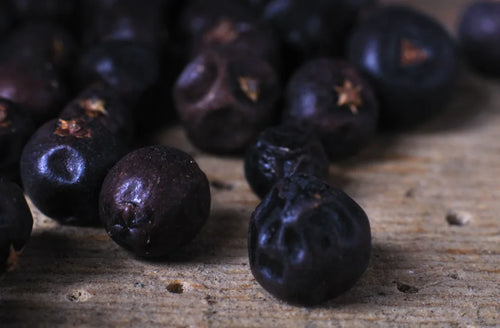
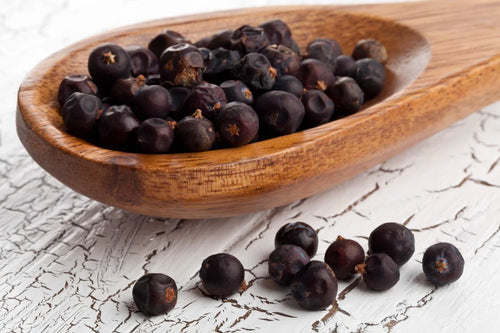
- Berry (technically a modified conifer cone called a galbulus)
- Method of cultivation
- Wild-harvested in mountain country; berries are knocked from the bush by hand using a stick, the ripe blue-black ones falling into a sieve while greener cones are left for the next harvest.
- Commercial preparation
- After picking, berries are sifted, colour-sorted, and air-dried before being graded for the distilling trade.
- Non-culinary uses
- Perfumery, smokehouse and game-meat curing, and a long history as a medicinal herb — plague doctors stuffed the beaks of their masks with juniper in the belief it warded off pestilence.
Juniper is a hardy evergreen conifer — somewhere between a low shrub and a small tree depending on where it puts down roots. It grows where almost nothing else will: thin mountain soils, exposed hillsides, the cold edges of Europe and Asia. The plant is dioecious, meaning male and female grow separately and only the females bear what we use. The "berries" themselves are not berries at all but tightly fused conifer cones — galbuli — that take around eighteen months to ripen from green to the dark, dusty blue-black you want in a bottle of gin. [source]
Whole dried
The classic form — crush lightly with the back of a spoon just before use to release the oils.
Lightly crushed
Faster extraction; useful if you're steeping for hours rather than days.
Region of cultivation
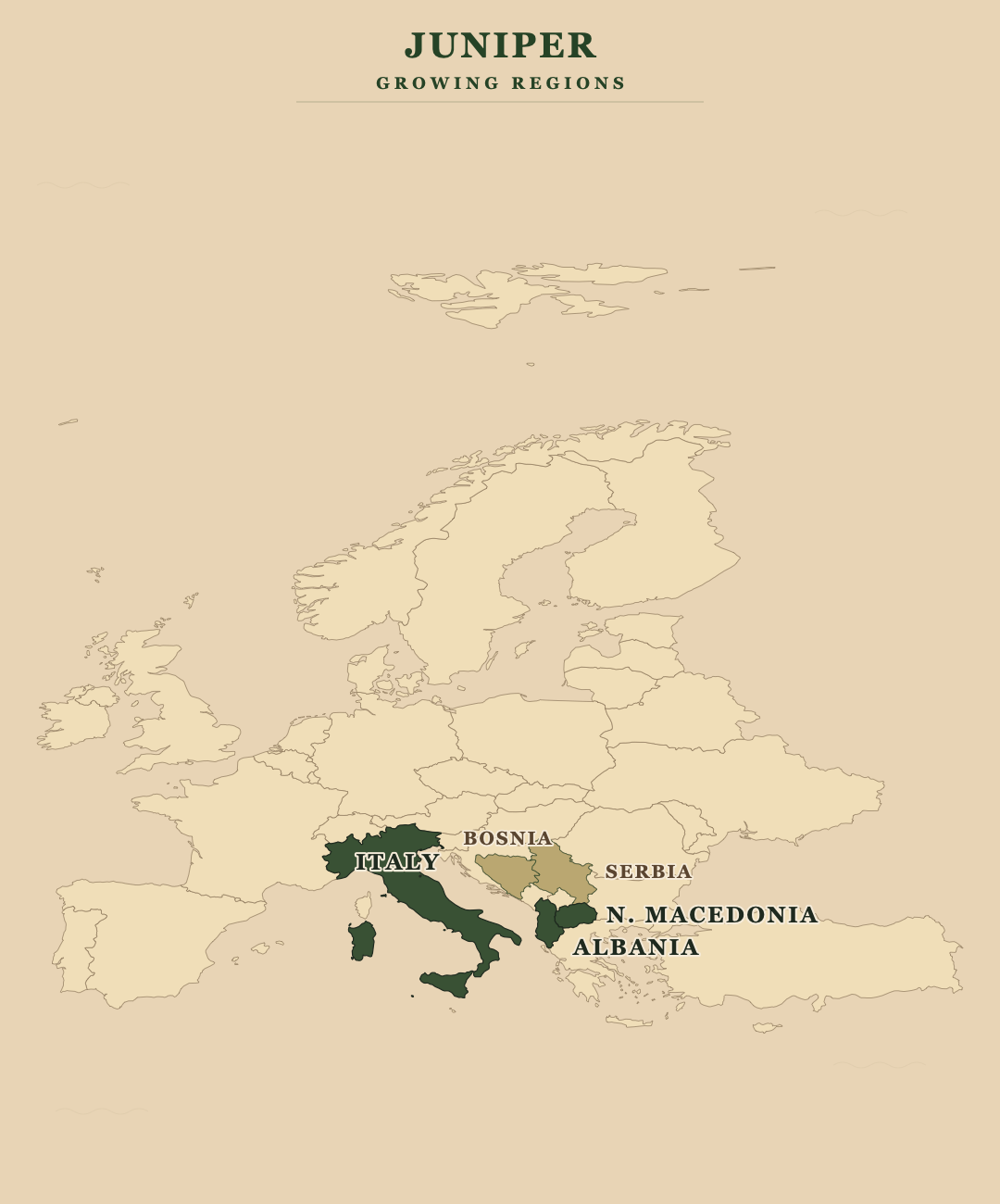
Juniper is primarily cultivated in North Macedonia, Italy (Tuscany), Albania, with secondary growing regions in Serbia, Bosnia, the Himalayas.
Spice Story
Gin is, fundamentally, juniper rearranged. The spirit's name comes from the Dutch jeneverbes — juniper berry — by way of the 17th-century physician Franciscus Sylvius, who is widely credited with blending juniper into a malt-wine remedy he called genever. [source] The remedy long predates the spirit; Galen prescribed juniper to "cleanse the liver and kidneys," and plague doctors stuffed the beaks of their masks with it to ward off pestilence. [source] What began as medicine drifted, as good ideas do, into pleasure. The berries themselves still arrive the slow way — most of the world's commercial supply is wild-harvested by hand from the limestone uplands of North Macedonia and the hills behind Florence, knocked from the bush with a stick and caught in a sieve. [source]
Gin Creativity
Juniper is the backbone of any classic gin — start here and build outward. A full sachet gives you a confident London Dry character: piney, resinous, structural. Drop to a half-sachet and you let the supporting cast lead — useful if you're building a citrus-forward summer gin or a floral contemporary style. Pair it with coriander and angelica for the classic trinity, or push it sideways with cardamom and a hit of pink grapefruit peel for something more aromatic.
Blending Science
Main flavour compounds
 Alpha-Pinenefresh pine, top note
 Beta-Myrcenegreen, hoppy body
 Sabinenepepper, warming
 Limoneneclean citrus lift
Pairs well with
- Coriander
- Angelica Root
- Citrus peel
- Cardamom
Four terpenes do most of the work. Alpha-pinene carries the unmistakable fresh-pine top note — it's volatile, so it shows up first and fades fastest. Beta-myrcene brings a green, slightly hoppy body (the same compound that defines beer's bittering hops). Sabinene adds a sharp peppery edge, related to what you taste in cracked black pepper. Limonene rides underneath as a clean citrus lift. [source] Heat and time amplify the heavier, woodier compounds at the expense of the bright top notes — which is why a long, hot extraction will give you something resinous and deep, while a brief cool steep keeps it fresh and citric.
Food Partners
- Game (venison, boar): Juniper's resinous backbone matches the iron-rich, slightly wild flavour of red game.
- Cured meats and pâté: A few crushed berries in the cure cut through fat with piney brightness.
- Sauerkraut and choucroute garnie: A traditional Alsatian pairing — juniper sits across nearly every European version of pickled cabbage. [source]
- Roast pork with apple: The sharp green note rounds out sweet apple and rich pork fat.
- Dark chocolate: A surprising one — try a single crushed berry steeped briefly in cream for a gin-truffle ganache.
Cocktails To Try

- Gin & Tonic: The fastest way to taste a juniper. Quinine and citrus tonic amplify the pine.
- Martini: Where juniper does its most exposed work — there's nowhere to hide.
- Negroni: Bitter Campari and sweet vermouth wrap juniper in something heavier and more grown-up.
- Genever-based cocktails (Hollands gin sling): If you want to taste juniper as the 17th century did, find a malt-rich oude jenever.
Release The Flavour
- Heat: Gentle warmth opens juniper without cooking off the bright top notes — a brief warm steep is more rewarding than a long boil.
- Alcohol: Juniper's terpenes are fat- and alcohol-soluble; even a 24-hour cold infusion in 40% spirit pulls a surprising amount of character.
- Time: Long extractions favour the woody, resinous compounds. Short ones favour the pine and citrus. Decide which gin you're chasing.
- Crush, don't pulverise: A light crack with a spoon lets the oils out. Powdering the berry releases bitter tannins you don't want.
Discover more
From the same region
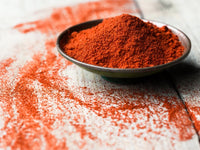
Pairs well with
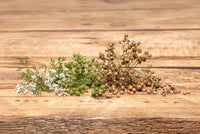
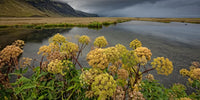
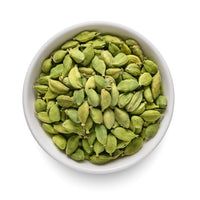
Same flavour family
Surprise me

Sources & Citations
- scientific_name:www.theginguild.com/ginopedia/gin-botanicals/juniper/
- scientific_name_supplementary:en.wikipedia.org/wiki/Juniper_berry
- part_used (galbulus terminology):en.wikipedia.org/wiki/Juniper_berry
- method_of_cultivation:www.theginguild.com/ginopedia/gin-botanicals/juniper/
- commercial_preparation:www.theginguild.com/ginopedia/gin-botanicals/juniper/
- non_culinary_uses (perfumery, smokehouse, plague masks):www.theginguild.com/ginopedia/gin-botanicals/juniper/
- non_culinary_uses (medicinal history):hushandwhisper.com/gin/from-medicinal-to-magical-the-hist...
- main_flavour_compounds (CSV-sourced):inputs/source.csv — Juniper row
- flavour_compound_character (pine / hops / citrus / pepper analogues):www.barisonindustry.com/en/news/gin-botanicals-organolept...
- region_primary (Macedonia, Tuscany, Albania tonnage):www.fruitswisdom.com/2024/01/juniper-berries-nutritional-...
- region_primary (Tuscan microclimate detail):www.gintime.com/features/harvesting-juniper-and-orris-in-...
- food_partners (game, sauerkraut, choucroute):en.wikipedia.org/wiki/Juniper_berry
- gin_history (genever / Sylvius / "jeneverbes" etymology):en.wikipedia.org/wiki/Gin
- ripening_18_months:en.wikipedia.org/wiki/Juniper_berry
