
PAPRIKA (SWEET)

- Botanical name
- Capsicum annuum
- Also known as
- Hungarian sweet paprika, Pimentón dulce, Édesnemes (premium Hungarian grade)
- Main flavour compound
- Capsanthin
- Part used
- Dried, ground red pepper (no smoking)
- Method of cultivation
- Same species as smoked paprika (*Capsicum annuum*) but processed differently. Hungarian paprika is the sweet-paprika standard — peppers are grown in Hungary's cooler climate, harvested ripe, sun-dried, sometimes lightly toasted, and ground into a fine deep-red powder. The cooler Hungarian climate allows peppers to retain natural sugars, giving the paprika its characteristic sweetness without smoke or significant heat. Spanish *Pimentón dulce* is a sweet (non-smoked) variant of Spanish paprika.
- Commercial preparation
- Ripe red peppers are picked, deseeded (for milder grades) or kept seeded (for sharper grades), sun-dried, and ground. Hungarian paprika comes in eight different grades varying in pungency and colour — from *különleges* (the finest, most expensive, brightest red) through to the spicier *erős*.
- Non-culinary uses
- Foundational to Hungarian cooking — goulash, chicken paprikash, *halászlé*; food colourant (the deep red is one of the most powerful natural food colours); Spanish *paella* (when sweet is preferred over smoked).
Sweet Paprika is the same species as Smoked Paprika — Capsicum annuum — but processed differently. Hungarian paprika is the global benchmark for sweet (non-smoked) paprika, with the cooler Hungarian climate allowing peppers to retain their natural sugars and producing a paprika with characteristic mellow sweetness rather than the smoky depth of Spanish Pimentón de la Vera. [source] The Hungarian grading system includes eight distinct grades varying in pungency, colour and aroma — from the supremely-aromatic különleges through édesnemes (premium sweet) down to erős (hot).
Fine sweet powder
The standard form — disperses quickly in cool maceration.
Flakes
Less common.
Region of cultivation
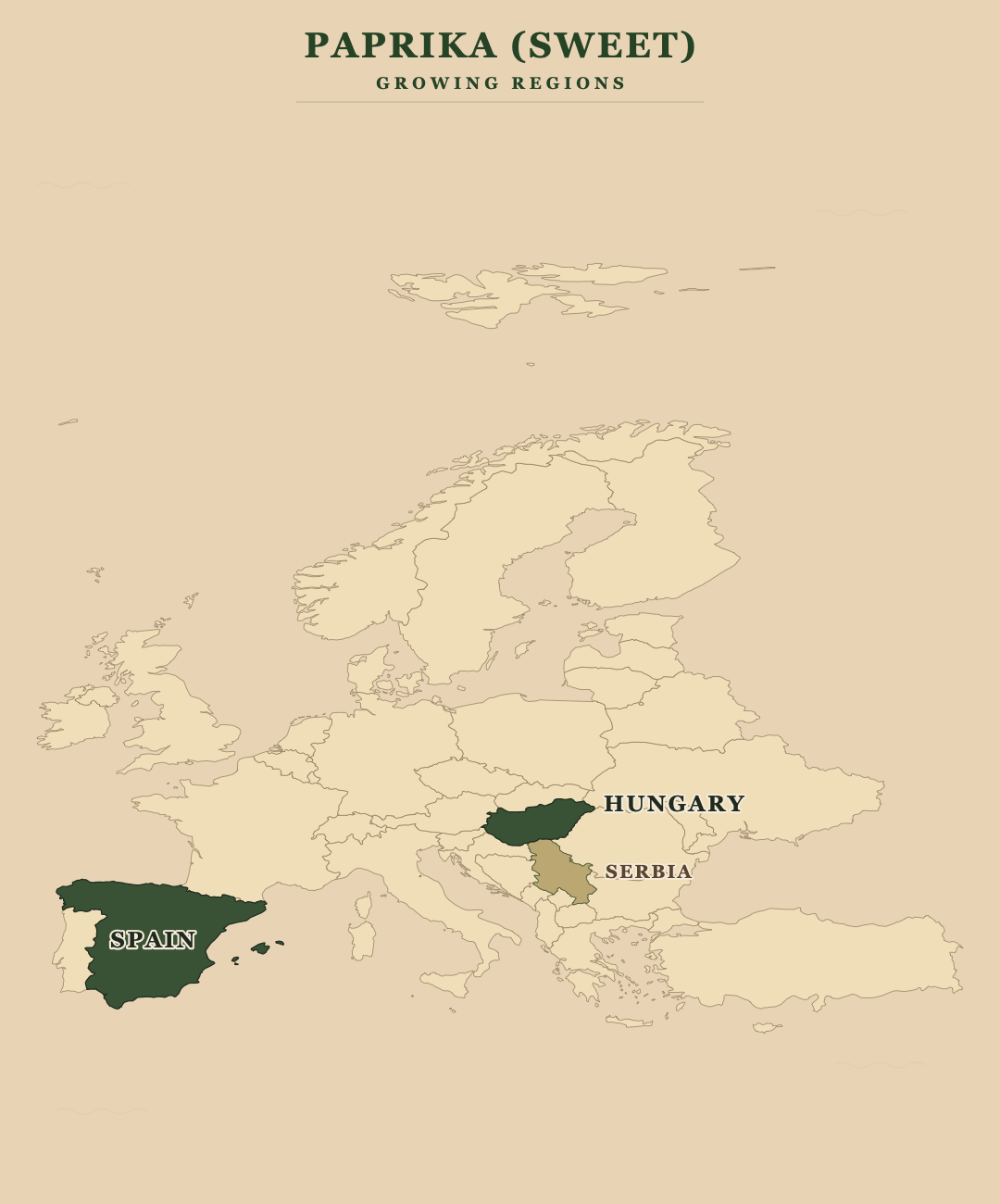
Paprika (SWEET) is primarily cultivated in Hungary (Kalocsa, Szeged — premium regions), Spain (Murcia), with secondary growing regions in Serbia, USA (California), China, Peru.
Spice Story
Peppers arrived in Hungary in the 16th century via the Ottoman conquest, and Hungarian farmers began breeding out heat to produce the sweet paprika that has become foundational to Hungarian cuisine. The two premium Hungarian production regions are Kalocsa and Szeged, both in the southern Hungarian plain. Hungarian paprika is essential to goulash, chicken paprikash, halászlé (fisherman's soup) and countless other Hungarian dishes — and has become the international standard for sweet (unsmoked) paprika. Spanish Pimentón dulce (sweet pimentón) is a similar non-smoked product from Spain. In gin, sweet paprika is an unusual contemporary botanical providing mellow sweet-pepper character and brilliant red visual signal.
Gin Creativity
Sweet Paprika brings mellow sweet-pepper character with a brilliant red-orange colour. A full sachet pushes a gin into clearly Eastern-European savoury territory; a half-sachet provides quiet sweet-red depth that integrates with juniper. Pair with caraway and coriander seed for a Hungarian profile, or with citrus peel and cardamom for a contemporary spice-leaning blend.
Blending Science
Main flavour compounds
 Capsanthin—
 Capsorubin—
 Beta-Carotene—
 Volatile esters—
Pairs well with
- Caraway
- Coriander seed
- Black pepper
- Citrus peel
- Cardamom
Capsanthin and capsorubin dominate the pigment chemistry — these are the carotenoids responsible for the deep brilliant red colour. Beta-carotene provides additional orange-red pigment. Volatile esters develop during slow sun-drying and contribute the fruity-sweet aromatic. Without the smoke-derived phenolics found in smoked paprika, sweet paprika reads as cleaner and brighter — more about colour and sweetness than smoke.
Food Partners
- Hungarian goulash and chicken paprikash — the defining dishes.
- Spanish paella (sweet variant) — alternative to smoked.
- Roasted red pepper dishes — paprika doubles the effect.
- Slow-cooked stews — paprika sweetness deepens slow braises.
- Egg dishes with paprika — Hungarian and Spanish breakfasts.
Cocktails To Try

- Hungarian Bloody Mary — sweet paprika gin, tomato, lemon, caraway.
- Pink Spritz — sweet paprika gin, prosecco, soda — surprising colour.
- Sweet Pepper Negroni — sweet paprika gin, Campari, sweet vermouth.
Release The Flavour
- Cool extraction — preserves the brilliant colour.
- Brief contact — 1–4 hours.
- Source matters — Hungarian Kalocsa/Szeged paprika and Spanish Murcia paprika are premium grades.
- Filter carefully — fine powder needs cold filtration.
Discover more
Pairs well with
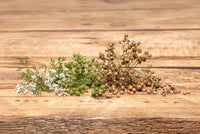
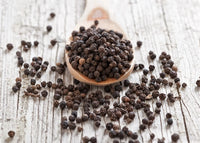
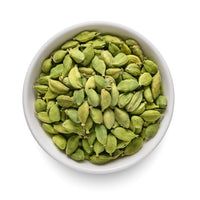
Same flavour family
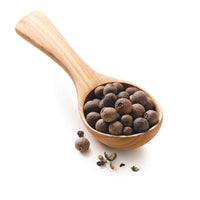
Surprise me

Sources & Citations
- scientific_name (Capsicum annuum):www.premiumspices.co.nz/blogs/news/history-sweet-vs-smoke...
- hungarian_cooler_climate_sweetness:www.premiumspices.co.nz/blogs/news/history-sweet-vs-smoke...
- eight_hungarian_grades:www.premiumspices.co.nz/blogs/news/history-sweet-vs-smoke...
- kalocsa_szeged_premium_regions:www.premiumspices.co.nz/blogs/news/history-sweet-vs-smoke...
- main_flavour_compounds (CSV-sourced):inputs/source.csv — Paprika (SWEET) row
