
ANISEED

- Botanical name
- Pimpinella anisum
- Also known as
- Anise, Common anise
- Main flavour compound
- Trans-anethole
- Part used
- Dried fruit (commonly called the seed)
- Method of cultivation
- Cultivated annual of the Apiaceae family (carrot/celery family). The plant grows around 60–90 cm tall with delicate white flower umbels that mature into small ribbed grey-green fruits. It prefers light sandy soils, full sun, and a long warm growing season — which is why it has been grown around the Mediterranean for thousands of years.
- Commercial preparation
- Fruits are harvested when ripe but still attached to the stems, threshed, and cleaned. Quality producers air-dry rather than kiln-dry to preserve the volatile trans-anethole content. The cleaned seeds are sold whole or ground.
- Non-culinary uses
- Confectionery (liquorice, pastis, ouzo, sambuca, raki, arak, absinthe); perfumery; traditional medicine for digestion across the Mediterranean and Middle East dating back to ancient Egypt.
Aniseed — Pimpinella anisum — is a slender, short-lived annual in the carrot family, around knee to waist high, with feathery leaves and delicate white flower heads that resemble Queen Anne's Lace. The "seeds" are technically dry fruits, ridged and grey-green, with a sweet liquorice character that comes almost entirely from a single compound: trans-anethole. [source] It is one of the oldest cultivated spices in the world, grown in Egypt continuously for about 4,000 years and named in the Ebers papyrus around 1550 BCE. [source]
Whole dried seed
The standard form — bruise lightly in a mortar to release the oils before use.
Ground
Loses character within a few months as the trans-anethole oxidises.
Region of cultivation
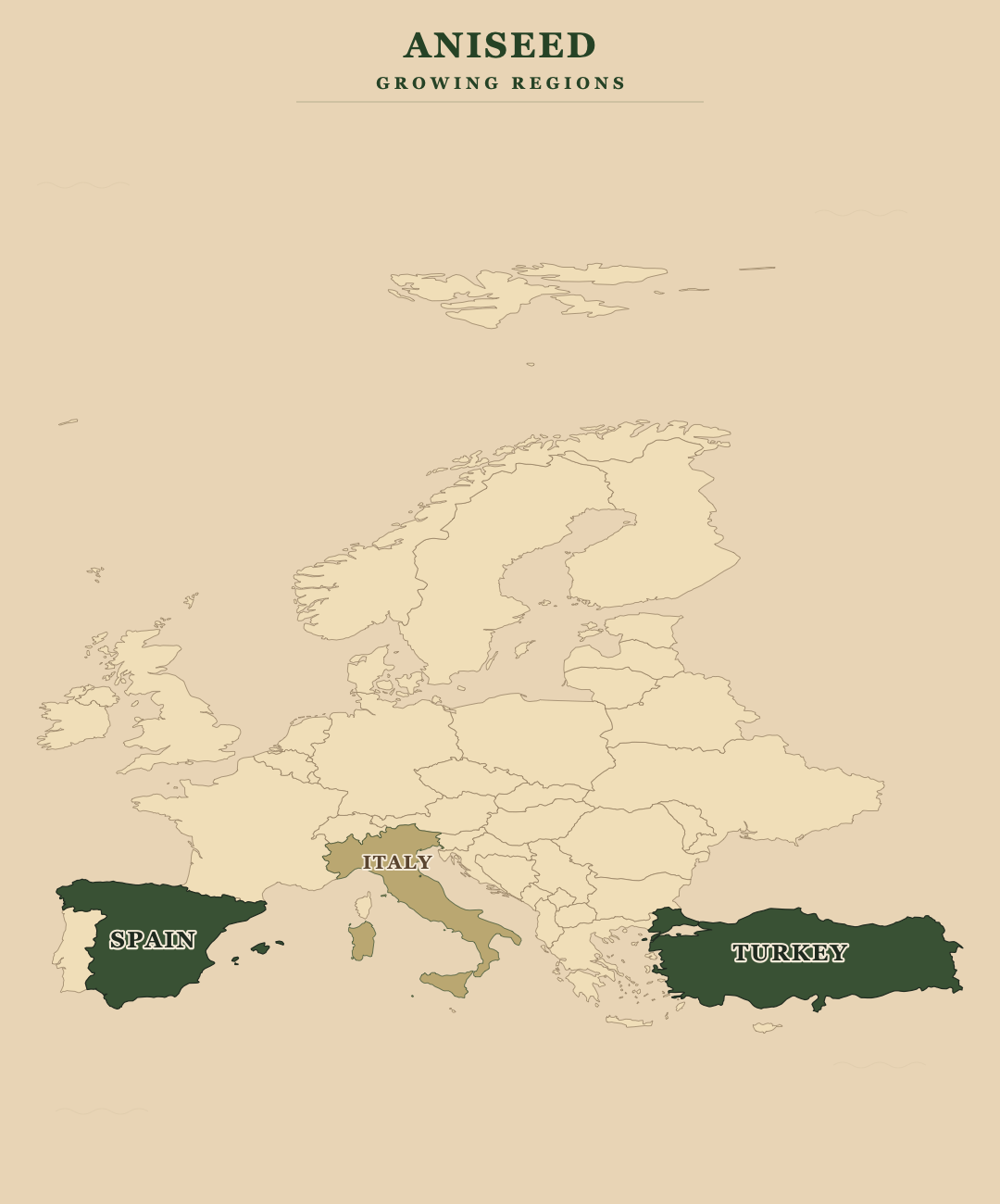
Aniseed is primarily cultivated in Turkey, Spain, Egypt, with secondary growing regions in Italy, Mexico, India, Syria.
Spice Story
Aniseed travelled with every Mediterranean civilisation. The ancient Egyptians used it for embalming and digestion; the Greeks and Romans crystallised it into a digestive sweet eaten after rich meals — a custom that survives today in Italian anice candy. In the 8th century, Charlemagne mandated that aniseed be planted in his imperial gardens across the Carolingian Empire, which is largely how the spice took root across central Europe. [source] By the Middle Ages it was being distilled into spirits across the Mediterranean — the parent line of every aniseed liquor from Provençal pastis to Greek ouzo, Turkish raki, Lebanese arak and Italian sambuca. In gin it functions both as a flavour and as a digestive cue: aniseed signals "after dinner" to the palate even before you've tasted the drink.
Gin Creativity
Aniseed is powerful — a full sachet pushes a gin firmly into pastis-adjacent territory and will dominate any subtle co-botanicals. A quarter to half sachet does its best work as a back-palate sweetener, layering depth without taking over. It pairs naturally with fennel seed and star anise (all three share trans-anethole) for a Mediterranean digestive profile, or with liquorice and orange peel for something more confident and Italian-leaning.
Blending Science
Main flavour compounds
 Trans-anetholeanise, sweet
 Limoneneclean citrus lift
 Anisole—
Pairs well with
Trans-anethole makes up around 72% of aniseed's essential oil — the highest concentration of any common spice, which is why aniseed reads as the purest expression of the "liquorice" note. [source] Limonene layers a citrus brightness on top, and anisole contributes a slightly nutty, almost coffee-like depth that gives quality aniseed its complexity over plain artificial anise flavour. Trans-anethole is fat-soluble and only partially alcohol-soluble — which is why aniseed-based spirits go cloudy when you add water (the louche effect). The compound survives heat well, so warm extractions develop the sweet-liquorice body without losing the bright top.
Food Partners
- Sausages and cured meats: A traditional Mediterranean fat-cutter.
- Seafood (especially shellfish): The classic Provençal pairing — aniseed cream with mussels.
- Anise biscotti: Italian Christmas biscuit, naturally gin-friendly.
- Roast vegetables: Especially carrot and parsnip, where the sweet-anise note doubles the natural sugars.
- Fennel salads: Aniseed-on-aniseed, but the seed adds depth the fresh bulb lacks.
Cocktails To Try

- Sazerac variant: Absinthe rinse, aniseed-leaning gin in place of rye.
- Pastis-and-tonic: A high-aniseed gin with cold tonic — the louche colour change is part of the show.
- Aviation, modernised: Replace the maraschino with a touch of homemade aniseed liqueur.
Release The Flavour
- Bruise, don't grind: Lightly cracked seeds extract clean trans-anethole; finely ground releases bitter tannins.
- Heat: Survives long, warm extractions; safe to use in vapour or maceration.
- Time: Aniseed character builds fast — a few hours is enough.
- Storage: Whole seeds hold for years if airtight and dark; ground product fades fast.
Discover more
From the same region

Pairs well with
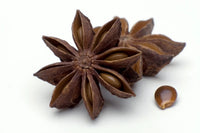

Same flavour family
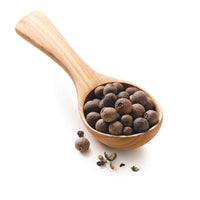
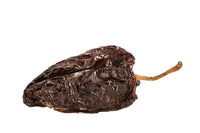

Surprise me

Sources & Citations
- scientific_name (Pimpinella anisum, Apiaceae):en.wikipedia.org/wiki/Anise
- cultivation_history (4000-year cultivation in Egypt; Ebers papyrus 1550 BCE):pmc.ncbi.nlm.nih.gov/articles/PMC10035495/
- Charlemagne's imperial garden mandate:pmc.ncbi.nlm.nih.gov/articles/PMC10035495/
- trans-anethole 72.49% of essential oil:pmc.ncbi.nlm.nih.gov/articles/PMC10347090/
- commercial_regions (Turkey, Spain, Egypt as primary):en.wikipedia.org/wiki/Anise
- main_flavour_compounds (CSV-sourced):inputs/source.csv — Aniseed row
