
BAY LEAVES

- Botanical name
- Laurus nobilis
- Also known as
- Bay laurel, Sweet bay, True laurel, Laurel
- Main flavour compound
- 1,8-Cineole (eucalyptol)
- Part used
- Dried leaf (whole)
- Method of cultivation
- Evergreen tree or large shrub of the Lauraceae family, native to the Mediterranean basin. Cultivated commercially in Turkey, Italy, Belgium, Algeria and across the Levant, North Africa and the southern United States. The tree grows slowly to 10–18 metres in optimal conditions, can be hedged tightly in cooler climates, and produces aromatic leaves that develop their full character only after drying.
- Commercial preparation
- Leaves are typically harvested from cultivated trees, sorted to remove the smallest leaves and any with insect damage, and air-dried in the shade for several weeks. Industrial production sometimes uses kiln-drying, which is faster but produces a flatter, less complex leaf. Top-grade bay is graded by colour (deep green-grey) and uniformity.
- Non-culinary uses
- Roman and Greek victory wreaths (laurel crowns); perfumery; folk medicine for digestion and rheumatism; the wood is used for furniture and walking sticks.
Bay laurel — Laurus nobilis — is an evergreen Mediterranean tree of the Lauraceae family (the laurel family, which also contains cinnamon and avocado). It grows slowly into a stately tree up to about 18 metres in good conditions, with smooth grey bark, glossy dark leaves, and small pale-yellow flowers in spring. The leaves themselves are dense, leathery, and deeply aromatic — but the character is locked away until drying releases it. A fresh bay leaf is almost odourless; a properly dried one is intense.
Whole dried leaf
The standard form — adds to a botanical bill easily, removed before bottling.
Crushed
Rare; the leaf is rigid enough that crushing fragments it usefully only just before use.
Region of cultivation
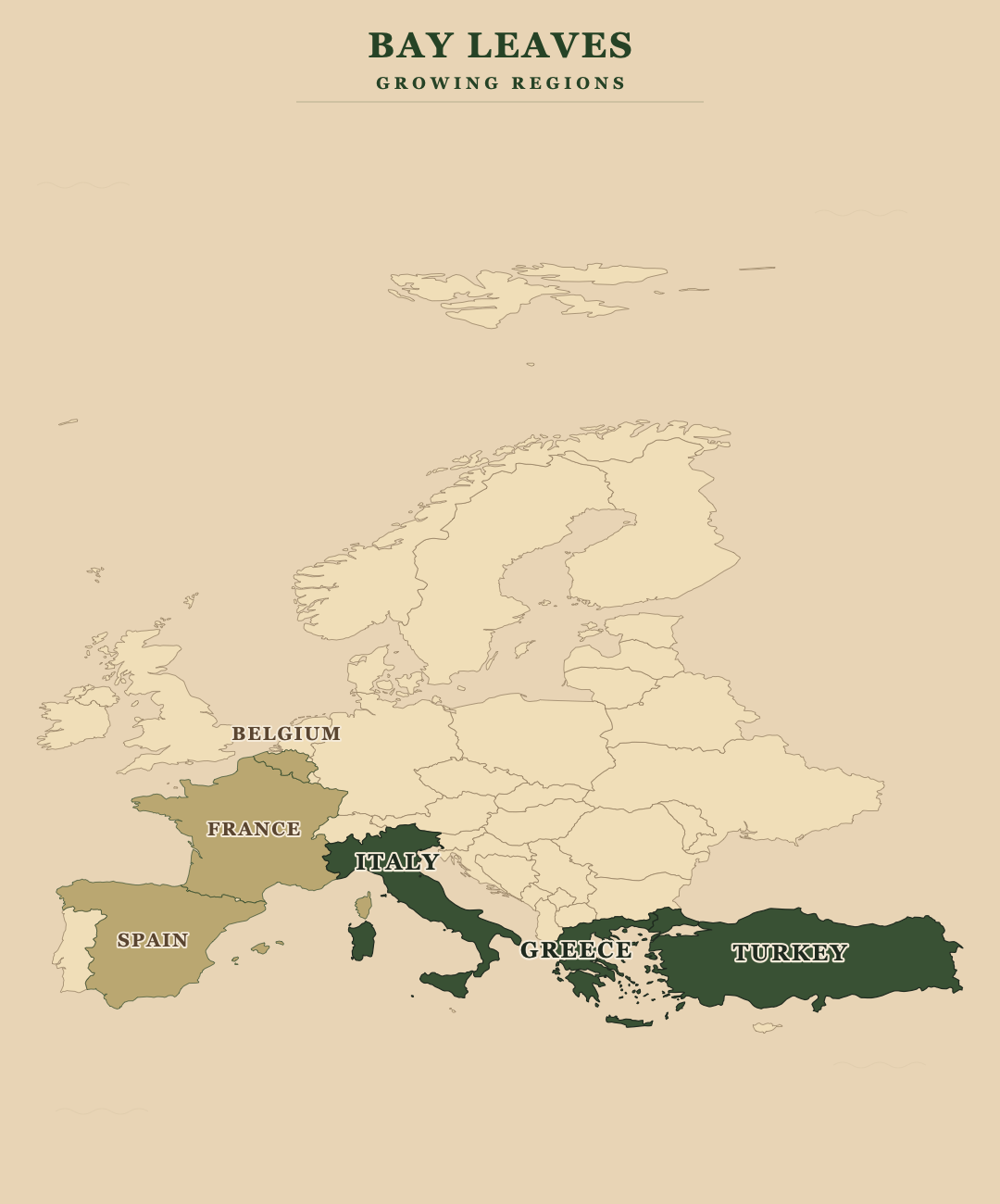
Bay Leaves is primarily cultivated in Turkey, Italy, Greece, Morocco, with secondary growing regions in France, Spain, Belgium, southern USA.
Spice Story
Bay laurel was the tree of victory in the classical Mediterranean. The Greeks crowned Pythian athletes and poets with laurel wreaths; the Romans inherited the symbolism, and a triumphant Roman general wore a laurel crown on his triumph. The word "laureate" survives directly from this — poet laureate, Nobel laureate. [source] The leaf's culinary use is even older — bay appears in early Roman cookery texts and has been a foundational European cooking herb ever since, particularly in slow-braised dishes where its resinous depth builds gradually. Commercially, Turkey is now the world's largest exporter of bay leaves, with Italy, Greece, Morocco and Belgium accounting for most of the remainder. [source] In gin, bay is less of a headline botanical than a structural one — a quiet eucalyptus-resinous depth-note that supports juniper rather than competing with it.
Gin Creativity
Bay is one of the quieter heroes of a botanical bill — rarely the star, often the difference between a good gin and a great one. A full sachet adds a clear eucalyptus-resinous depth that bridges juniper to citrus; a half-sachet does its work quietly, structurally, almost unidentifiably. Pair with juniper and coriander for a classic London Dry support layer, or with cardamom and citrus peel for a contemporary Mediterranean profile. Avoid combining with very strong eucalyptus-leaning botanicals (eucalyptol-heavy myrtles, blue gum) — the result is medicinal.
Blending Science
Main flavour compounds
 1,8-Cineole (eucalyptol)eucalyptus, cool
 Linaloolfloral, soft
 Alpha-Pinenefresh pine, top note
 Methyl eugenolclove-like, warming
Pairs well with
- Juniper
- Coriander
- Black pepper
- Cardamom
- Lemon peel
Bay's chemistry is dominated by 1,8-cineole (eucalyptol) — typically around 45% of the essential oil, the same compound that defines eucalyptus, cardamom and rosemary. [source] Linalool adds the soft floral lift that pairs naturally with coriander and lavender. Alpha-pinene echoes juniper, which is part of why the two botanicals integrate so cleanly. Methyl eugenol contributes a slightly clove-adjacent warmth on the finish. Eucalyptol is fat- and alcohol-soluble and survives heat well; bay performs equally in vapour infusion and traditional maceration. The character builds across a long extraction rather than appearing immediately.
Food Partners
- Slow-braised meats: The traditional European use — bay in beef bourguignon, lamb shanks, pot roast.
- Tomato-based stews: A near-universal Italian and Provençal use.
- Béchamel sauce: Infuse a leaf in the milk before making the sauce; transformative.
- Rice pilaf: A single bay leaf cooked into the rice adds quiet depth.
- Custards and rice puddings: A surprising sweet use — bay-infused cream lifts vanilla beautifully.
Cocktails To Try

- Bay-leaf Martini: A single bay leaf in the stir; classic gin, gentle herbal lift.
- Bay Old Fashioned (gin-based): Old-fashioned syntax with gin, bay-leaf syrup, orange bitters.
- Spiced gin and tonic: Bay leaf in the glass with juniper-forward gin and citrus.
Release The Flavour
- Time: Bay is slow — give a botanical infusion at least 48 hours to develop the full eucalyptus depth.
- Heat: Bay is heat-stable; vapour and warm maceration both work cleanly.
- Whole, not crushed: The leaf releases its oils gradually; crushing wastes the slow-build character.
- Storage: Whole dried leaves hold for 12–18 months in airtight darkness.
Discover more
From the same region
Pairs well with
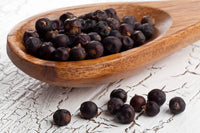
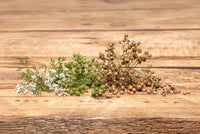
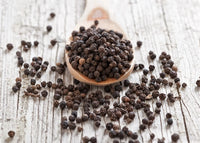
Same flavour family
Surprise me

Sources & Citations
- scientific_name (Laurus nobilis, Lauraceae):en.wikipedia.org/wiki/Laurus_nobilis
- native range and commercial cultivation:en.wikipedia.org/wiki/Laurus_nobilis
- history (Greek/Roman victory wreaths):www.britannica.com/topic/bay-leaf
- chemical composition (~45% eucalyptol, terpinyl acetate, methyl eugenol):en.wikipedia.org/wiki/Bay_leaf
- producing countries:en.wikipedia.org/wiki/Laurus_nobilis
- main_flavour_compounds (CSV-sourced):inputs/source.csv — Bay Leaves row
