
BLACK PEPPER

- Botanical name
- Piper nigrum
- Also known as
- Malabar pepper, Tellicherry pepper (premium grade), Lampong pepper (Indonesian), Black gold
- Main flavour compound
- Piperine
- Part used
- Dried unripe fruit (peppercorn)
- Method of cultivation
- Climbing perennial vine of the Piperaceae family, native to the Malabar Coast of Kerala in southwest India. Grows on trees or wooden posts as living trellises, reaching 4 metres or more. Plants begin bearing fruit in their third or fourth year and remain productive for several decades. Kerala remains the spiritual home of the crop; Vietnam is now the world's largest producer by volume, followed by Indonesia, Brazil and India.
- Commercial preparation
- Green unripe berries are harvested in clusters, briefly blanched in hot water to break the cell walls, then sun-dried for 7–10 days until the outer skin turns black and wrinkled. Premium grades (like Tellicherry from northern Kerala) are harvested late and sorted by size — the largest, ripest berries make the best pepper. Pepper graded TGSEB (Tellicherry Garbled Special Extra Bold) is the top of the trade.
- Non-culinary uses
- Traditional Ayurvedic medicine for digestive complaints; the essential oil is used in perfumery (warm-spice accord); piperine is studied for its ability to enhance the bioavailability of other compounds.
Black pepper is the dried unripe fruit of Piper nigrum, a climbing tropical vine native to the Western Ghats of Kerala in southwest India. The vine clambers up tall supporting trees or wooden posts, producing long pendulous spikes of small green berries that turn red as they ripen. For black pepper the berries are picked unripe and dried until their outer skin turns black and shrivels; for white pepper the same berries are picked ripe and the dark outer layer is washed away, leaving only the inner seed. Vietnam is now the world's largest producer by volume, but the Malabar Coast remains the spiritual home and produces the finest premium grades. [source]
Whole peppercorn
The standard form — crack in a mortar or mill just before use; whole pepper holds its volatiles for years.
Cracked
Faster extraction for shorter infusions; pre-ground product loses character within months.
Region of cultivation
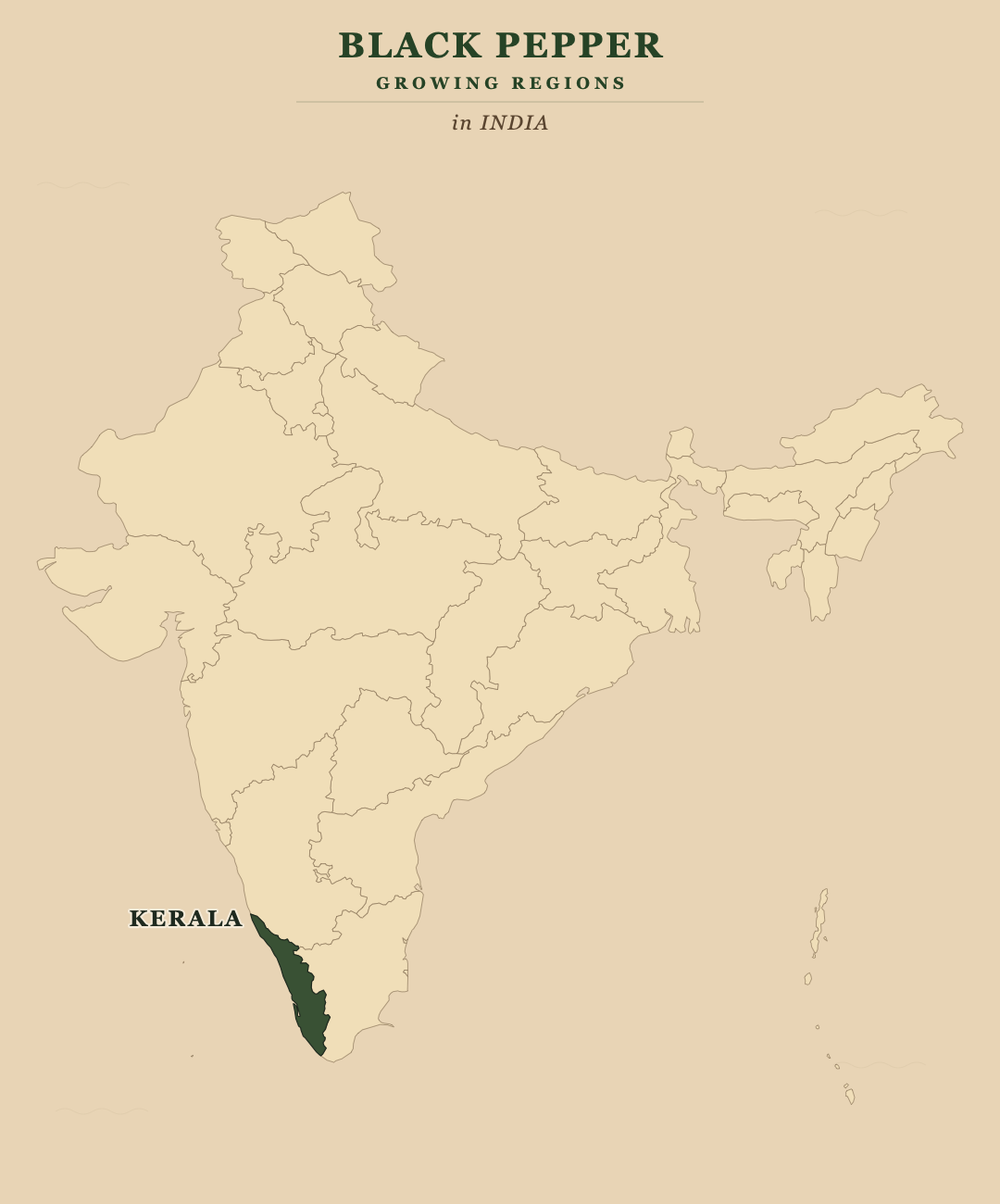
Black Pepper is primarily cultivated in India (Kerala — Malabar Coast), Vietnam, Indonesia, with secondary growing regions in Brazil, Sri Lanka, China.
Spice Story
Black pepper has been one of the most economically important spices in human history — it has been called "black gold," and the search for it shaped centuries of global trade. Pepper has been cultivated in Kerala for at least 4,000 years; peppercorns were found in the nostrils of Ramses II's mummy (1213 BCE), and Roman trade records from the port of Muziris on the Malabar Coast date to the 4th century BCE onward. [source] The Roman appetite for pepper was so vast that Pliny the Elder complained about the bullion drain. In the Middle Ages pepper was used as currency — rent could be paid in peppercorns, and the word "peppercorn rent" survives today. Vasco da Gama's 1498 voyage around the Cape, the founding voyage of the Portuguese maritime empire, was specifically motivated by the search for a direct route to the pepper coast of Kerala. In gin, black pepper appears as a back-palate warming agent in many craft expressions, and as a defining note in Scottish and Scandinavian gin styles.
Gin Creativity
Black pepper is a versatile supporting botanical — it brings warmth, body and a quiet citrus brightness without dominating. A full sachet pushes a gin into clearly peppery territory; a half-sachet provides background warmth that integrates almost invisibly with juniper. Pair with cardamom and coriander for a classic spice-route profile, or with citrus peel and juniper for a contemporary peppered London Dry. Avoid pairing with very heavy smoky botanicals (black cardamom, smoked paprika) — the pepper's brightness gets buried.
Blending Science
Main flavour compounds
 Piperinepungent pepper heat
 Chavicinepungent pepper heat
 Beta-Caryophyllenewarm woody, peppery
 Limoneneclean citrus lift
Pairs well with
- Juniper
- Coriander
- Cardamom
- Citrus peel
- Long pepper
Two related alkaloids carry the heat. Piperine is the dominant pungent compound — present at 5–10% in commercial black pepper, far higher than long pepper's 1–2%. [source] Piperine activates the same heat receptor (TRPV1) as chilli's capsaicin but with a softer, slower-building warmth. Chavicine is a geometric isomer of piperine that delivers the sharp, immediate bite of freshly cracked pepper; it slowly converts to piperine over time, which is why pre-ground pepper loses its edge. Beta-caryophyllene contributes a warm woody depth, and limonene layers the bright citrus note that defines high-quality fresh-cracked pepper. Both vapour infusion and maceration work well; long extraction deepens the warmth, short extraction emphasises the citrus brightness.
Cocktails To Try

- Peppered Martini: A few cracks of fresh pepper in the stir; classic gin, dry vermouth.
- Pepper Gin and Tonic: Pepper-infused gin with fever-tree tonic — Scandinavian classic.
- Pepper Bramble: Gin, blackberry liqueur, lemon, sugar, fresh pepper garnish.
Release The Flavour
- Crack, don't grind: Coarse cracking releases the volatile aromatics; fine grinding wastes them.
- Fresh: Pre-ground pepper has usually lost its chavicine; buy whole and crack as needed.
- Heat: Piperine is heat-stable; pepper performs in vapour or maceration.
- Time: Long extractions build the warmth; short ones emphasise the bright citrus top.
Discover more
From the same region

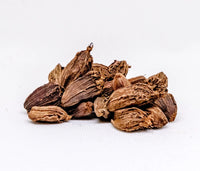
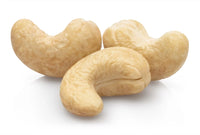
Pairs well with
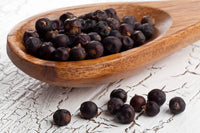
Same flavour family

Surprise me

Sources & Citations
- scientific_name and native range (Malabar Coast, Kerala):en.wikipedia.org/wiki/Black_pepper
- cultivation_history (4000+ years; Ramses II mummy 1213 BCE):spice.alibaba.com/global-spice-traditions/black-pepper-or...
- Roman trade (Muziris port, ~400 BCE onward):spice.alibaba.com/global-spice-traditions/black-pepper-or...
- Vasco da Gama 1498 voyage (motivated by pepper):spice.alibaba.com/global-spice-traditions/black-pepper-or...
- commercial_preparation (blanching + sun-drying):en.wikipedia.org/wiki/Black_pepper
- piperine_content (5-10%; white pepper has 25% less):spice.alibaba.com/global-spice-traditions/black-pepper-or...
- main_flavour_compounds (CSV-sourced):inputs/source.csv — Black Pepper row
