
BASIL

- Botanical name
- Ocimum basilicum
- Also known as
- Sweet basil, Genovese basil, Holy basil (different species — Ocimum tenuiflorum)
- Main flavour compound
- Linalool
- Part used
- Dried leaf (whole or cracked)
- Method of cultivation
- Tender annual of the Lamiaceae family (true mint family), originating in tropical Africa and South Asia. Cultivated worldwide in warm climates as a kitchen herb; the dried form for distilling is typically harvested just before flowering when leaf oils are at their peak. The plant prefers warm soil, full sun, and frequent harvest of growing tips to keep it bushy.
- Commercial preparation
- Leaves are stripped from stems, gently dried at low temperatures to preserve the volatile linalool, and sold whole or cracked. Air-dried product retains more aroma than kiln-dried; commercial-grade basil for the spice trade often comes from Egypt, India and the Mediterranean.
- Non-culinary uses
- Essential oil for perfumery (linalool is a major fragrance compound); aromatherapy; traditional Ayurvedic and Mediterranean folk medicine. Holy basil (*Ocimum tenuiflorum*) — a related but distinct species — is sacred in Hindu tradition and used in religious ceremony.
Basil — Ocimum basilicum — is a tender annual of the Lamiaceae family (true mints), originating in tropical Asia and Africa and now grown almost everywhere with a warm summer. The plant rarely lives more than a year, growing knee-high in a single season, with broad shiny leaves and small white-to-purple flowers in late summer. There are at least 50 cultivars in serious culinary use — the familiar Italian Genovese, the spicier Thai (horapha), purple Opal, citrus-leaning lemon basil — and their flavour profiles vary so significantly that the chemistry can be almost unrecognisable between varieties. [source] Most commercial dried basil is the standard sweet basil chemotype.
Whole dried leaf
The standard form for distilling — cracks easily, releases oils cleanly.
Cracked or rubbed
Faster extraction; pre-rubbed product loses brightness within months.
Region of cultivation
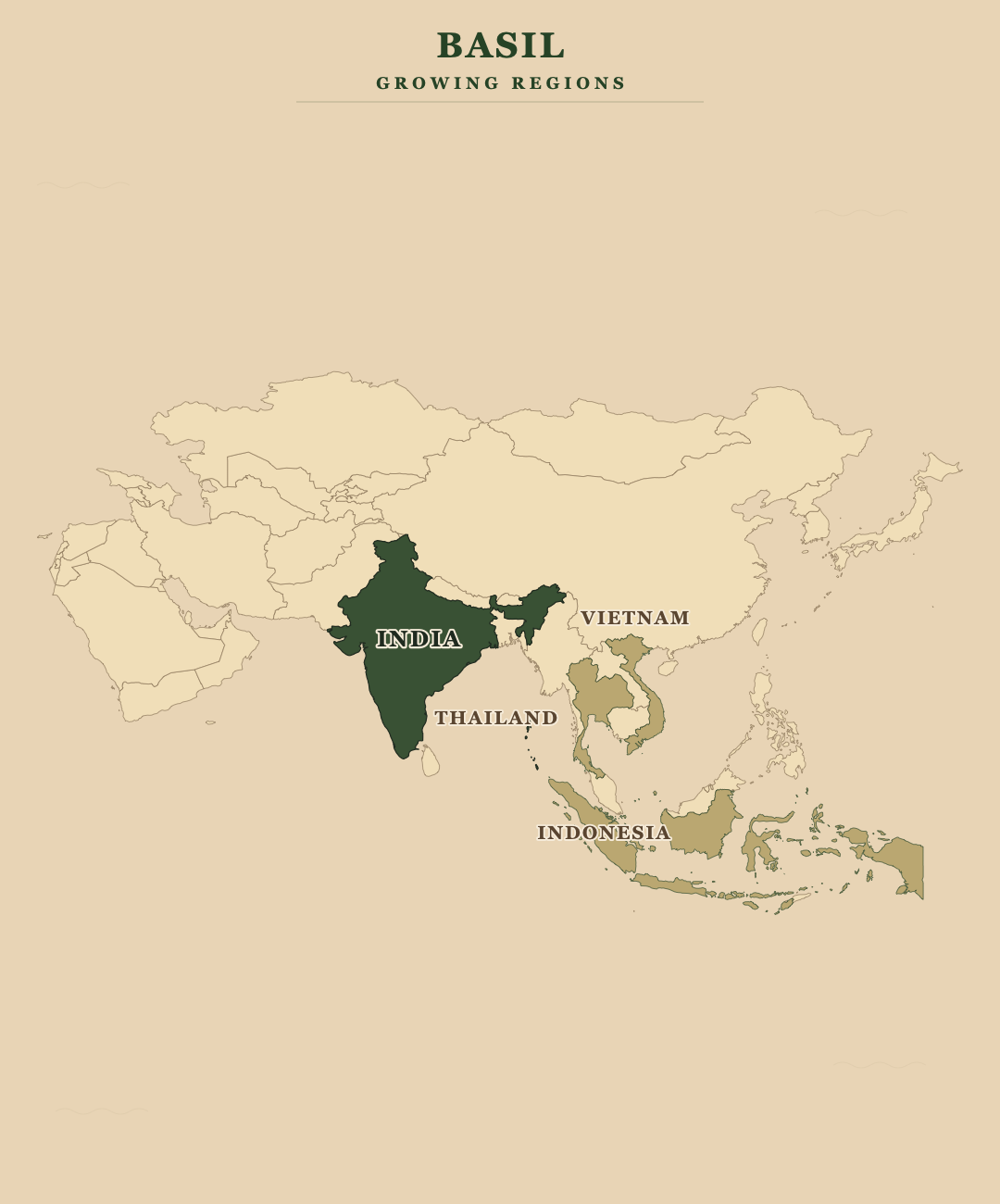
Basil is primarily cultivated in Egypt, India, Italy, France, with secondary growing regions in Indonesia, Mexico, Vietnam, Thailand.
Spice Story
Basil has been cultivated for over 5,000 years across tropical Asia and Africa, then radiated outward to the Mediterranean via the trade routes — by Roman times it was already a fixture in Italian gardens. [source] The word "basil" comes from the Greek basilikon — royal — reflecting either its use in anointing oils or simply its status as the king of culinary herbs in Mediterranean kitchens. Holy basil (Ocimum tenuiflorum, sometimes called tulsi) is a different species sacred to Hindu tradition and a foundational herb in Ayurvedic medicine. In modern craft gin, basil has emerged as a signature contemporary botanical — particularly in Italian craft gin (Malfy, Etsu, Mediterranean styles), where it bridges the gap between juniper's pine and bright citrus.
Gin Creativity
Basil works beautifully as a contemporary lift to a more traditional botanical bill. A full sachet pushes a gin into clearly herbaceous-Mediterranean territory; a half-sachet provides a quieter aromatic background that pairs naturally with lemon and tomato leaf for a "garden gin" profile. Avoid pairing with very heavy warming spices (clove, allspice) — basil's brightness gets buried. It works particularly well with the cooler spices: coriander, cardamom, juniper.
Blending Science
Main flavour compounds
 Linaloolfloral, soft
 Eugenolclove-like, warming
 Methyl chavicol (estragole)anise, herbal
Pairs well with
- Lemon peel
- Black pepper
- Coriander
- Tomato leaf
- Cardamom
Three compounds carry the character. Linalool is the dominant note — soft, sweet, woody-floral, the same compound that defines lavender and coriander, which is why basil and coriander bond so well in a botanical bill. Eugenol contributes the warmer, clove-adjacent spice you taste on the back of the palate (it's what makes basil feel "warming" despite its bright top). Methyl chavicol (also called estragole) layers an aniseed-bright note that varies wildly between cultivars — some sweet basils are almost pure linalool, others have heavy methyl chavicol and read closer to Thai basil. [source] Cool extraction preserves the linalool freshness; warm extraction develops the eugenol depth.
Food Partners
- Tomato (every form): The definitional pairing — basil and tomato share volatile esters that lock together.
- Mozzarella and burrata: Caprese — fresh cheese, fresh tomato, fresh basil.
- Lamb: A traditional Mediterranean pairing — try basil-gin in a marinade for grilled lamb.
- White peach: A French summer pairing — basil syrup over poached peaches.
- Strawberry desserts: Basil and strawberry is a chef's classic — herbaceous bright over sweet.
Cocktails To Try

- Gin Basil Smash: The defining modern basil cocktail (Jörg Meyer, Hamburg) — muddled basil, gin, lemon, sugar.
- Basil Gimlet: Classic gimlet with a few crushed basil leaves; clean and contemporary.
- Tomato Bloody Mary, gin-based: A "Red Snapper" with basil and a gin base.
Release The Flavour
- Cool extraction: Preserves the bright linalool top note that defines fresh basil character.
- Bruise gently: Light pressure releases the oils; aggressive crushing turns the leaf bitter.
- Time: Short infusions (1–4 hours) capture the brightness; longer ones deepen the eugenol warmth.
- Storage: Whole dried leaves hold for around 12 months; cracked or rubbed product fades within 6.
Discover more
From the same region
Pairs well with
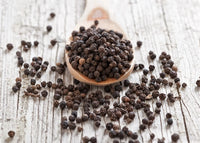
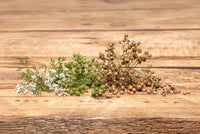
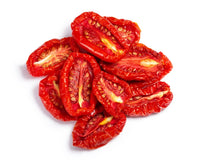
Same flavour family
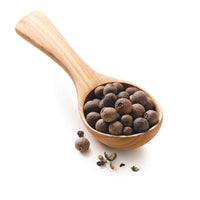
Surprise me

Sources & Citations
- scientific_name and family (Lamiaceae, mint family):pmc.ncbi.nlm.nih.gov/articles/PMC10748370/
- origin (tropical Asia/Africa, 5000+ year cultivation):pmc.ncbi.nlm.nih.gov/articles/PMC10748370/
- flavour_compounds (linalool, eugenol, methyl chavicol):www.sciencedirect.com/science/article/pii/S1878450X2400060X
- cultivar diversity (significant chemotype variation):www.sciencedirect.com/science/article/pii/S1878450X2400060X
- commercial producers (Egypt, India, Mexico):www.edenbotanicals.com/basil-sweet-linalool-organic.html
- main_flavour_compounds (CSV-sourced):inputs/source.csv — Basil row
