
TOMATO

- Botanical name
- Solanum lycopersicum
- Also known as
- Tomate (Spanish), Pomodoro (Italian — literally "golden apple")
- Main flavour compound
- Glutamic acid (umami)
- Part used
- Dried whole fruit or dried tomato leaf
- Method of cultivation
- Annual (sometimes short-lived perennial) vine of the Solanaceae family — the same family as potato, eggplant and capsicum, plus tobacco and nightshade. Native to the Andes (Peru and Ecuador), domesticated in Mexico and Mesoamerica, and brought to Europe by Spanish colonisers in the 16th century. The plant grows 1–2 metres tall as a sprawling vine, with deeply-lobed leaves and yellow flowers maturing into the familiar red fruit (with colour ranging from deep red through yellow, orange, purple and almost black depending on cultivar). China, India, Turkey, Egypt and the USA are the major world producers.
- Commercial preparation
- Ripe tomatoes are picked, sliced or halved, and either sun-dried (the Mediterranean tradition) or oven-dried at low temperature. For gin botanical use, sun-dried tomato or dried tomato leaf both appear; some craft producers use freeze-dried tomato powder.
- Non-culinary uses
- One of the most economically important food crops in the world; the leaves and stems contain solanine and tomatine alkaloids (mildly toxic in large quantities — though culinary use of dried leaf is well below safety thresholds); foundational to Italian, Spanish, Greek, Mexican and global cooking.
Tomato — Solanum lycopersicum — is an annual vine of the Solanaceae family (the same family as potato, eggplant and capsicum). The plant is native to the Andean highlands of Peru and Ecuador, was domesticated by Mesoamerican peoples (the Aztecs cultivated it widely as xitomatl by the time of Spanish contact in the 16th century), and was brought to Europe by Spanish colonisers. The Italian name pomodoro — "golden apple" — reflects that early European tomato cultivars were small and yellow, not the red giants of modern commerce. [source] Modern global production is dominated by China, with India, USA, Turkey and Egypt as significant producers.
Dried tomato slices or chips
The standard form — concentrated umami-sweet character.
Dried tomato leaf
Different character — green, slightly grassy, distinctive.
Region of cultivation
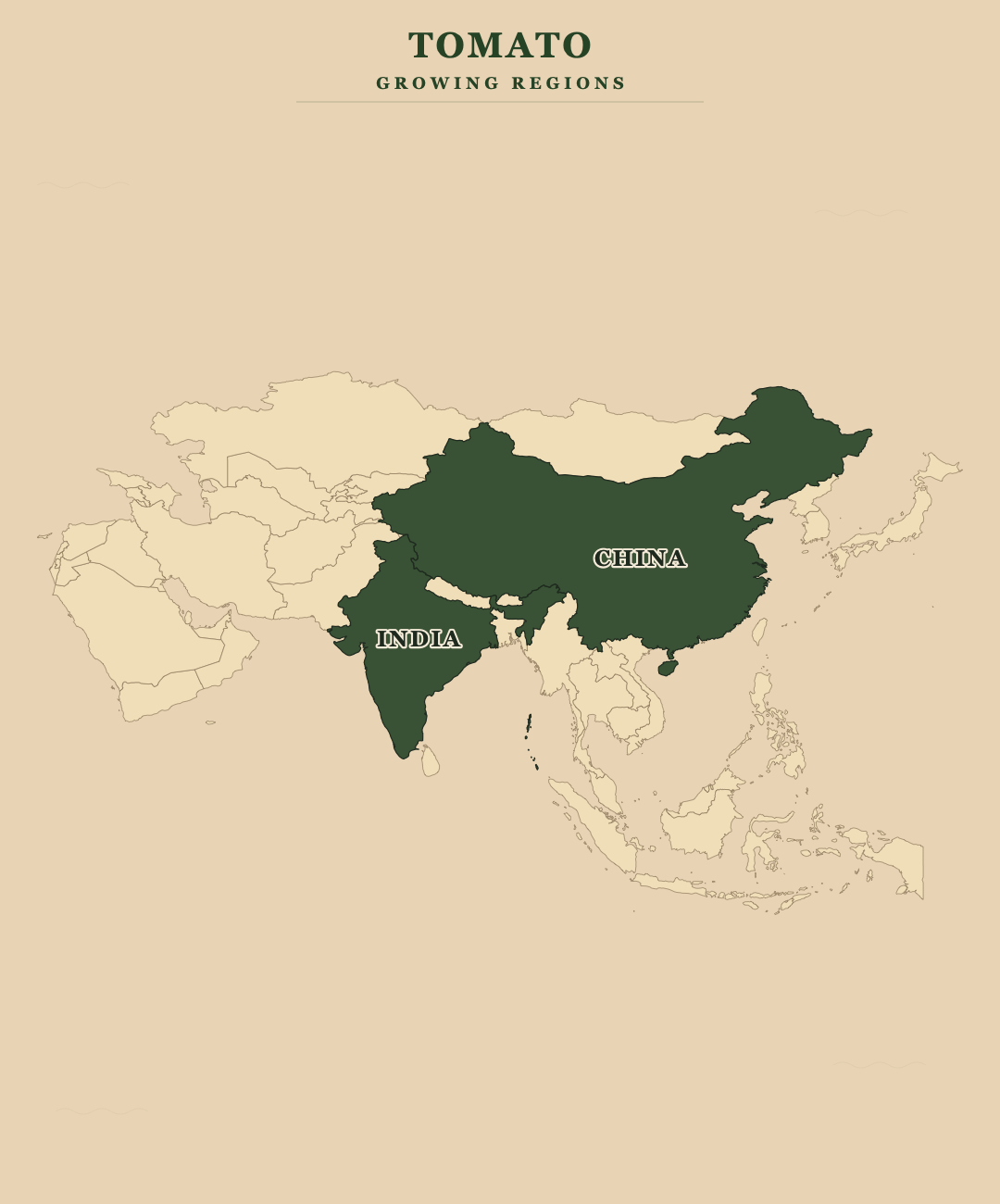
Tomato is primarily cultivated in China, India, USA, Turkey, Egypt, with secondary growing regions in Italy, Spain, Mexico, Brazil, Australia.
Spice Story
Tomato was initially viewed with suspicion in Europe — its membership in the nightshade family (which includes the poisonous deadly nightshade) led to wide European belief that tomatoes were toxic, and they remained an ornamental curiosity until the 18th–19th centuries when Italian, Spanish and southern French cooking embraced them firmly. Today tomato is one of the most economically important food crops in the world. In gin specifically, tomato has emerged as an unusual contemporary botanical — most famously in the Italian Moletto Gin, which uses tomato as a defining botanical. [source] Tomato gin pairs particularly well with savoury cocktails (Bloody Mary, savoury Martinis).
Gin Creativity
Tomato brings umami-sweet vegetal character that is unusual in the gin world. A full sachet pushes a gin firmly into clearly savoury-tomato territory; a half-sachet provides quiet umami body that integrates with juniper. Pair with basil and oregano for an Italian-summer profile, or with bell pepper and black pepper for a Bloody-Mary-leaning blend.
Blending Science
Main flavour compounds
 Glutamic acid (umami)—
 Lycopene (red pigment)—
 Furaneol (sweet)—
 Cis-3-hexenal (green-leaf)—
Pairs well with
- Basil
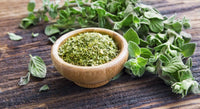
- Oregano
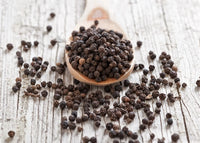
- Black pepper
- Lemon balm
- Bell pepper
Glutamic acid is the primary umami source — the same compound that defines MSG and provides the "savoury" mouthfeel that makes tomato so versatile. Lycopene is the red carotenoid pigment (non-aromatic but contributes colour in warm extraction). Furaneol provides a sweet-strawberry-like aromatic. Cis-3-hexenal ("leaf aldehyde") contributes the fresh-green top note characteristic of fresh tomato. Cool extraction preserves the bright vegetal character.
Food Partners
- Italian tomato sauces and pizza — natural pairing.
- Spanish gazpacho and sofrito — cold tomato soup, foundational sofrito.
- Mexican salsas — tomato is the base of most Mexican sauces.
- Bloody Mary cocktails — tomato is essential.
- Mediterranean salads — Greek, Italian, Provençal summer dishes.
Cocktails To Try

- Bloody Mary — tomato gin, lemon, salt, pepper, celery garnish.
- Italian Spritz — tomato gin, prosecco, soda, basil garnish.
- Tomato Martini — tomato gin, dry vermouth, cherry tomato garnish.
Release The Flavour
- Cool extraction — preserves bright vegetal character.
- Brief contact — 1–4 hours captures freshness.
- Sun-dried form — concentrated umami; preferred for distillery use.
- Source matters — heirloom Italian varieties give distinctive character.
Discover more
From the same region

Pairs well with

Same flavour family
Surprise me

Sources & Citations
- scientific_name (Solanum lycopersicum, Solanaceae):www.britannica.com/plant/tomato
- andean_origin_mesoamerican_domestication:www.britannica.com/plant/tomato
- lycopene_red_pigment:www.researchgate.net/publication/232392869_Phytochemical_...
- italian_tomato_gin_use (Moletto Gin):www.molettogin.com/
- main_flavour_compounds (CSV-sourced):inputs/source.csv — Tomato row
