
BEE POLLEN

- Botanical name
- Apis mellifera (collected) — pollen of mixed flowering species
- Also known as
- Pollen granules, Bee bread (when fermented)
- Main flavour compound
- Phenethyl acetate
- Part used
- Pollen pellets gathered from honeybee hind legs at hive entrance
- Method of cultivation
- Not a plant in the conventional sense — bee pollen is a composite of pollen grains from many flowering species, gathered by foraging honeybees (*Apis mellifera*) and compacted with nectar and salivary enzymes into "loads" that bees carry in their *corbiculae* (pollen baskets on the hind legs). Beekeepers use a "pollen trap" at the hive entrance to scrape a portion of these loads off as the bees enter — typically taking only a fraction so the colony retains enough for its own use.
- Commercial preparation
- Collected pollen is usually freeze-dried or low-temperature dehydrated to under 2% moisture. Freeze-drying preserves the full sensory and nutritional profile and reaches very low microbial counts. Pollen is then sieved, sorted, sometimes graded by colour or floral source, and packaged airtight against humidity and light.
- Non-culinary uses
- Health and nutrition supplements (high in protein, B-vitamins, antioxidants); skincare formulations; traditional folk medicine across Europe, Asia and the Mediterranean.
Bee pollen is the odd one out in any botanical line-up — it is not a plant at all, but a composite. When a honeybee forages, she gathers pollen from dozens of flowering species and moistens it with a touch of nectar and saliva, packing it into tight pellets stored in the corbiculae — the small pollen baskets on her hind legs. A beekeeper using a pollen trap intercepts a portion of these pellets at the hive entrance, leaving the colony plenty for its own brood. The granules that result are tiny, faintly waxy spheres ranging in colour from cream to chrome yellow to red and almost black, depending on which flowers the bees worked.
Whole granules (freeze-dried)
The standard form — soft, faintly waxy, easily crushed in fingertips.
Fresh-frozen
Higher aromatic intensity but limited shelf life; refrigerate.
Region of cultivation
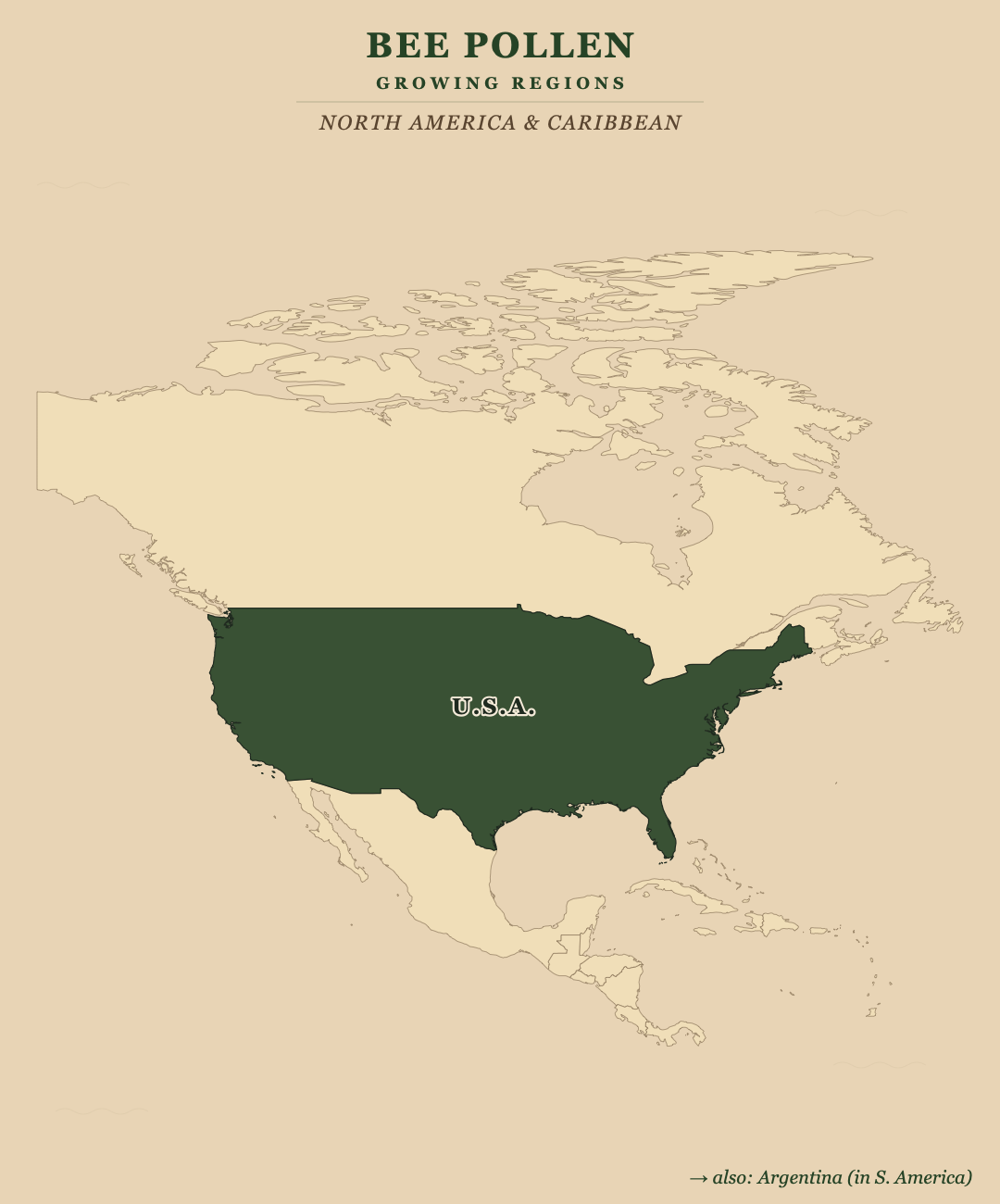
Bee Pollen is primarily cultivated in Spain, China, Argentina, USA — varies by beekeeping geography rather than botanical origin, with secondary growing regions in Australia (varied — manuka and eucalypt areas particularly), Eastern Europe.
Spice Story
Bee pollen is one of the oldest harvested superfoods in human use — Hippocrates and the Mahabharata both reference it, and Roman armies were rationed honey-and-pollen cakes on campaign. The modern commercial trade dates only to the early 20th century, when European apiarists developed reliable pollen traps and freeze-drying techniques. Bee pollen entered the craft cocktail trade through the wellness movement of the 2000s, picking up speed as craft gins began searching for genuinely terroir-driven botanicals — a pollen harvested near a manuka stand tastes different from one harvested in a clover field, and a distiller can lean into that. The flavour is unlike anything else in a botanical bill: equal parts honey, hay, and faintly floral pollen, with grain-malt depth from the salivary enzymes that hold each pellet together.
Gin Creativity
Bee pollen is a subtlety, not a hammer. A full sachet adds quiet honeyed body and a soft floral lift; a half-sachet adds an almost imperceptible roundness that's hard to identify but easy to miss when absent. It pairs naturally with chamomile and citrus peel for a "garden gin" profile, or with saffron and wattle seed for something more confident and complex. Avoid combining with very heavy spice (clove, allspice) — the delicate pollen character disappears under warming compounds.
Blending Science
Main flavour compounds
 Phenethyl acetate—
 Volatile aldehydes—
 Phenolic compounds—
Pairs well with
- Honey
- Citrus peel
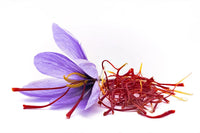
- Saffron
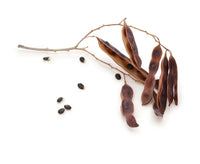
- Wattle seed
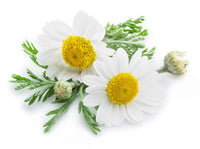
- Chamomile
Bee pollen's chemistry varies significantly with floral source, but a few compounds recur across most pollens. Phenethyl acetate contributes a sweet rose-honey note. Volatile aldehydes (especially nonanal and decanal) carry the green-leafy, slightly hay-like background. Phenolic compounds (flavonoids and phenolic acids) are not aromatic themselves but contribute to colour and a faint astringent depth. Pollen is composed largely of protein and slow-release sugars rather than essential oils, so its character is "soft" rather than vivid — you taste it as honey and texture rather than as a single bright note. Cool, brief extraction in alcohol preserves the floral compounds best.
Food Partners
- Yoghurt and granola: The traditional health-food breakfast — bee pollen, granola, fresh fruit.
- Smoked honey desserts: Pollen and honey amplify each other; smoke adds dimension.
- Cured meats with honey glaze: Prosciutto with honey-pollen drizzle.
- Fresh stone fruit: Peach, apricot, nectarine — pollen scattered over slices.
- Pollen-dusted goat's cheese: A chef's classic — fresh chèvre rolled in fresh pollen.
Cocktails To Try

- Bee's Knees, fortified: The classic gin-honey-lemon cocktail with a teaspoon of bee pollen muddled in.
- Pollen-fat-washed gin: Briefly infuse pollen in melted butter, cool, separate, and add the fat-washed butter back to gin.
- Mead-style spritz: Gin, mead, soda, fresh pollen garnish.
Release The Flavour
- Cool extraction: Heat damages the delicate aromatic compounds; cold-infuse only.
- Brief contact: Pollen extracts fast — a 30-minute steep is often enough.
- Strain finely: Pollen particles are tiny; use coffee filter paper for a clear finished spirit.
- Source matters: Different floral sources yield significantly different flavour. Buy from beekeepers who can describe the forage.
Discover more
From the same region
Pairs well with
Same flavour family
Surprise me

Sources & Citations
- collection_method (corbiculae, pollen traps at hive entrance):www.foodandnutritionjournal.org/volume13number1/dried-vs-...
- freeze-drying (under 2% moisture, sensory preservation):www.sciencedirect.com/science/article/abs/pii/S0023643815...
- sensory descriptors (sweet, sour, floral, hay, earthy):www.ncbi.nlm.nih.gov/pmc/articles/PMC11717009/
- volatile_compounds_research:www.ncbi.nlm.nih.gov/pmc/articles/PMC11717009/
- main_flavour_compounds (CSV-sourced; treated as approximate given pollen is mixed-floral):inputs/source.csv — Bee Pollen row
