
SAFFRON

- Botanical name
- Crocus sativus
- Also known as
- Za'faran (Arabic), Kesar (Hindi), Azafrán (Spanish), Persian gold
- Main flavour compound
- Picrocrocin (bitterness)
- Part used
- Dried stigmas (the bright red thread-like styles from the centre of the flower)
- Method of cultivation
- Perennial bulbous plant of the Iridaceae family, believed native to the Mediterranean and Asia Minor. Saffron has been cultivated for over 4,000 years; Iran is now the dominant producer with around 90% of world supply. The plant blooms in autumn — each flower lasts only a day — and each plant produces only 3 stigmas. Yield is famously low: about 1 pound (450g) of dried saffron requires 75,000 flowers. The flowers must be hand-picked at dawn, and the stigmas hand-separated and dried over gentle heat — making saffron the most expensive spice in the world by weight.
- Commercial preparation
- Flowers are picked at dawn; stigmas are hand-separated and dried over gentle charcoal heat (or modern low-temperature dehydrators). Iran, Spain (La Mancha — the historic European centre, introduced by Moorish invaders in the 8th century), Greece, Morocco and India (Kashmir) are the main producers.
- Non-culinary uses
- Foundational ingredient across Persian, Spanish, Indian, Moroccan and Mediterranean cooking (paella, saffron rice, biryani, *bouillabaisse*); textile and food dye; traditional medicine across Persian and Ayurvedic systems.
Saffron comes from Crocus sativus, an autumn-flowering bulbous perennial of the Iridaceae family. The plant is a sterile triploid — it does not produce viable seed and reproduces entirely by corm division — and is thought to have been domesticated in the eastern Mediterranean or Asia Minor over 4,000 years ago. [source] Each flower blooms for a single day and contains exactly three stigmas — the bright red thread-like styles that, dried and graded, make saffron. The yield is famously low: about 1 pound (450g) of dried saffron requires 75,000 flowers, all of which must be hand-picked at dawn and hand-separated. [source]
Whole dried stigmas (threads)
The standard form — bloom in a small amount of warm water before adding to a botanical bill to release the colour and aroma.
Powdered
Cheaper but adulteration is common; verify supplier carefully.
Region of cultivation
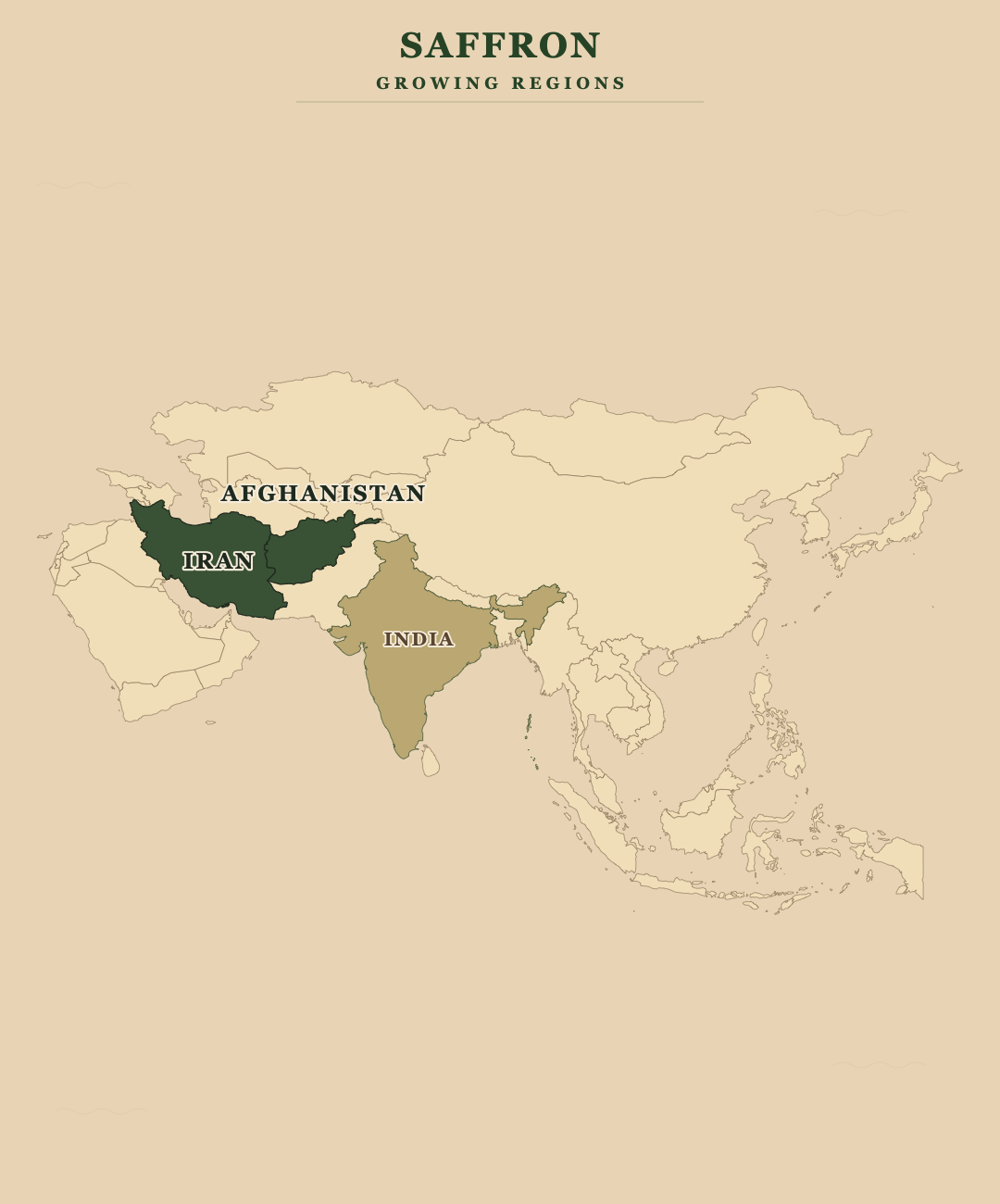
Saffron is primarily cultivated in Iran (90% of world production), Spain (La Mancha PDO), Afghanistan, with secondary growing regions in Greece, Morocco, India (Kashmir), Italy (Abruzzo).
Spice Story
Saffron is the most expensive spice in the world by weight. Iran produces around 90% of global supply, with Spain (La Mancha) and Afghanistan accounting for most of the remainder; smaller specialty production continues in Greece, Morocco, Indian Kashmir, and a small protected DOP region in Italian Abruzzo. The Moors brought saffron cultivation to Spain in the 8th century, where La Mancha has produced premium saffron continuously since. The spice has been a luxury commodity throughout recorded history — used in paella, Persian rice dishes, Indian biryani, French bouillabaisse, and dozens of other regional traditions. In gin, saffron is an unusual but distinctive contemporary botanical, providing brilliant golden colour and a unique hay-honey-floral aromatic character.
Gin Creativity
Saffron brings unmistakable golden colour and a hay-honey-floral character no other spice produces. A quarter to half sachet is plenty — saffron is so concentrated that small amounts dominate. Pair with rose petal and cardamom for a Persian profile, or with pistachio and vanilla for a Middle Eastern dessert blend. Pre-blooming the saffron threads in a small amount of warm water before adding to the botanical bill helps release both colour and aroma evenly.
Blending Science
Main flavour compounds
 Picrocrocin (bitterness)—
 Safranal (aroma)—
 Crocin (red colour)—
Pairs well with
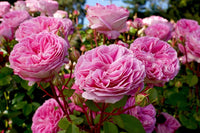
- Rose petal
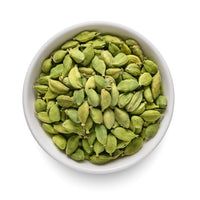
- Cardamom
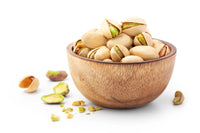
- Pistachio
- Vanilla
- Citrus peel
Three compounds define saffron. Crocin (and related apocarotenoids) is the red-orange pigment responsible for the brilliant golden colour saffron imparts. Picrocrocin contributes the characteristic bittersweet taste. Safranal (formed by drying from picrocrocin) provides the aroma — a unique hay-honey-iodine compound found in no other common spice. [source] All three compounds are alcohol-soluble; cool extraction preserves the bright colour while warm extraction develops the deeper safranal aroma.
Food Partners
- Paella — Spanish saffron rice is the canonical European use.
- Persian rice dishes — zereshk polo, tahdig with saffron.
- Indian biryani — saffron and basmati.
- Bouillabaisse — French Mediterranean fish stew.
- Saffron-and-pistachio desserts — Persian sholeh zard.
Cocktails To Try

- Saffron Sour — saffron gin, rose-water syrup, lemon, egg white.
- Golden G&T — saffron gin, tonic — the colour alone is striking.
- Persian Negroni — saffron gin, Campari, sweet vermouth.
Release The Flavour
- Bloom first — soak threads briefly in warm water to release colour and aroma.
- Cool to gentle warmth — preserves the bright golden colour.
- Time — 4–12 hours; longer extractions emphasise bitterness.
- Source matters — Iranian "Sargol" and Spanish La Mancha PDO are the premium grades; powdered saffron is frequently adulterated.
Discover more
From the same region
Pairs well with
Same flavour family
Surprise me

Sources & Citations
- scientific_name (Crocus sativus, Iridaceae):www.britannica.com/topic/saffron
- 4000_year_cultivation_history:en.wikipedia.org/wiki/Saffron
- iran_90_percent_world_production:en.wikipedia.org/wiki/Saffron
- 75000_blossoms_per_pound:www.britannica.com/topic/saffron
- signature_compounds (crocin, picrocrocin, safranal):www.orientjchem.org/vol41no2/the-chemistry-of-saffron-cro...
- spanish_introduction_8th_century_moors:www.britannica.com/topic/saffron
- main_flavour_compounds (CSV-sourced):inputs/source.csv — Saffron row
