
KOLA NUT

- Botanical name
- Cola acuminata
- Also known as
- Kola, Cola nut, Goro (Hausa), Obi (Yoruba)
- Main flavour compound
- Caffeine
- Part used
- Dried seed (the seed of the cola fruit, halved or chipped)
- Method of cultivation
- Evergreen tropical tree of the Malvaceae family, native to the tropical rainforests of West Africa (Nigeria, Ghana, Côte d'Ivoire). The tree grows 12–20 metres tall, with a dense rounded crown and smooth grey bark. It thrives in humid tropical lowland, often grown in traditional West African agroforestry systems. The seeds are caffeine-rich and have been chewed as a natural stimulant in West Africa for thousands of years.
- Commercial preparation
- Fruit is harvested, the seeds (technically the cotyledons) extracted, dried in the sun until firm, and either packed whole or chipped/sliced for the spice trade. The same seeds (or the closely-related *Cola nitida*) were the original flavouring of Coca-Cola when the drink was developed in 1886.
- Non-culinary uses
- Foundational role in West African religious and ceremonial life (kola nut is offered at important Yoruba, Igbo and Hausa events including weddings, funerals and naming ceremonies); the original flavouring of Coca-Cola; traditional medicine across West Africa for energy, alertness and digestive support.
Kola Nut — Cola acuminata — is an evergreen tropical tree of the Malvaceae family (the same family as cacao and cotton), native to the rainforests of West Africa. The tree grows 12–20 metres tall, with a dense rounded crown of broad glossy leaves, producing star-shaped greenish-yellow flowers and large rough-skinned woody fruit pods. Each pod contains several seed cotyledons — the "nuts" of commerce — that are caffeine-rich and have a distinctive bitter-cocoa flavour when chewed. The closely-related Cola nitida is the other commercial species; both species are widely traded and often used interchangeably.
Whole dried seed
The standard form — chip coarsely before use to release the compounds.
Powdered
Faster extraction; loses character within months.
Region of cultivation

Kola Nut is primarily cultivated in Nigeria, Ghana, Côte d'Ivoire, with secondary growing regions in Cameroon, Sierra Leone, Liberia, Gabon.
Spice Story
Kola nut has deep cultural and economic roots across West Africa. Among the Yoruba, Igbo and Hausa peoples of Nigeria and the broader region, kola nut is a ceremonial gift offered at weddings, funerals, naming ceremonies and other major life events — the saying "He who brings kola brings life" captures the cultural weight of the offering. [source] In the West, kola nut is most famous as the original flavouring of Coca-Cola when the drink was formulated in 1886 by John Pemberton in Atlanta (combined with extracts of coca leaf, hence the name; modern Coca-Cola no longer uses kola nut or coca leaf). In craft gin, kola nut is an uncommon but distinctive contemporary botanical, providing bitter-stimulant cocoa-warm character not available from any other ingredient.
Gin Creativity
Kola nut brings stimulant bitterness with cocoa-edged warmth. A full sachet pushes a gin firmly into bitter-cola territory; a half-sachet adds quiet warm-bitter depth that integrates with juniper. Pair with cacao nibs and coffee for a deep "after-dinner" profile, or with citrus peel and cinnamon for a modern reframe of the original cola flavouring.
Blending Science
Main flavour compounds
 Caffeine—
 Theobrominecocoa, bitter
 Kolanin—
 Catechins—
Pairs well with
- Cacao nibs
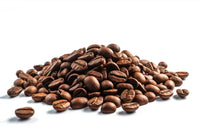
- Coffee
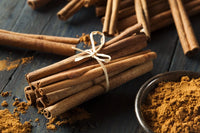
- Cinnamon
- Citrus peel
- Vanilla
The chemistry is dominated by stimulant alkaloids. Caffeine is the most abundant (typically 1.5–3.5% of the nut by weight) — contributing both bitterness and the well-known stimulant effect. Theobromine is the secondary alkaloid (the same compound found in cacao). Kolanin is a phenolic compound contributing additional bitter depth. Catechins (polyphenols) provide astringent body. Long warm extraction develops the full bitter-stimulant character.
Food Partners
- West African pepper soups — kola nut alongside grains of paradise and chilli.
- Bitter chocolate desserts — kola nut and cacao share theobromine chemistry.
- Coffee-spiced cocktails — bitter-on-bitter pairing.
- Slow-braised meats — West African game stews.
- Spice cake — kola nut in a winter spice mix.
Cocktails To Try

- Bitter Cola Negroni — kola-nut gin, Campari, sweet vermouth.
- Pemberton Highball — kola-nut gin, cola, lemon — a reframe of the original cola idea.
- African Old Fashioned — kola-nut gin, demerara, orange bitters.
Release The Flavour
- Long extraction — caffeine and kolanin extract slowly.
- Chop coarsely — exposes the seed cotyledon.
- Heat-friendly — both vapour and warm maceration work.
- Use sparingly — the bitter-stimulant character can dominate quickly.
Discover more
From the same region
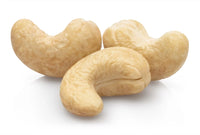
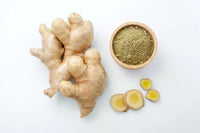
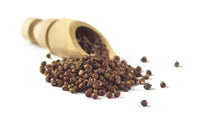
Pairs well with
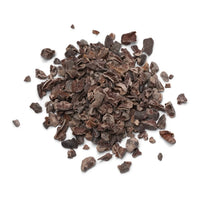
Same flavour family

Surprise me

Sources & Citations
- scientific_name (Cola acuminata, Malvaceae):en.wikipedia.org/wiki/Cola_acuminata
- native_range (West African tropical rainforests):en.wikipedia.org/wiki/Cola_acuminata
- caffeine_theobromine_kolanin:en.wikipedia.org/wiki/Kola_nut
- original_coca_cola_flavouring:en.wikipedia.org/wiki/Cola_acuminata
- cultural_ceremonial_use (Yoruba/Igbo/Hausa):en.wikipedia.org/wiki/Kola_nut
- main_flavour_compounds (CSV-sourced):inputs/source.csv — Kola Nut row
