
GRAINS OF PARADISE

- Botanical name
- Aframomum melegueta
- Also known as
- Melegueta pepper, Guinea grains, Grains of Guinea, Atare (Yoruba)
- Main flavour compound
- Paradol
- Part used
- Dried seed
- Method of cultivation
- Herbaceous perennial of the Zingiberaceae family (ginger/cardamom family), native to swamp habitats of coastal West Africa — Ghana, Liberia, Nigeria, Côte d'Ivoire and Sierra Leone. The plant grows to about 1.5 metres tall from a rhizome, with long lance-shaped leaves and large reddish-brown fruit pods at ground level. Each pod contains many small, hard, angular brown-red seeds — the grains of paradise.
- Commercial preparation
- Pods are harvested at full maturity, dried, opened by hand, and the seeds extracted, sorted and cleaned. Most commercial supply is still wild-harvested from West African swampland rather than plantation-grown.
- Non-culinary uses
- Traditional West African medicine for digestion, infection and fever; cultural and religious significance among Yoruba peoples (atare); historically used as a substitute for black pepper across medieval Europe.
Grains of Paradise — Aframomum melegueta — is a tall herbaceous perennial of the ginger family, native to the coastal swamplands of West Africa. The plant grows from a horizontal rhizome to about 1.5 metres, with long lance-shaped leaves and large reddish-brown fruit pods produced at ground level. Each pod contains many small, angular, brown-red seeds — the "grains" — which are the working part. The character of the seed is genuinely unique among common spices: warm pepper, bright citrus, and cardamom-floral lift all at once, with a slow-building warmth on the back of the palate. [source]
Whole dried seed
The standard form — bruise lightly to release the volatile compounds.
Ground
Convenient but loses character within months.
Region of cultivation
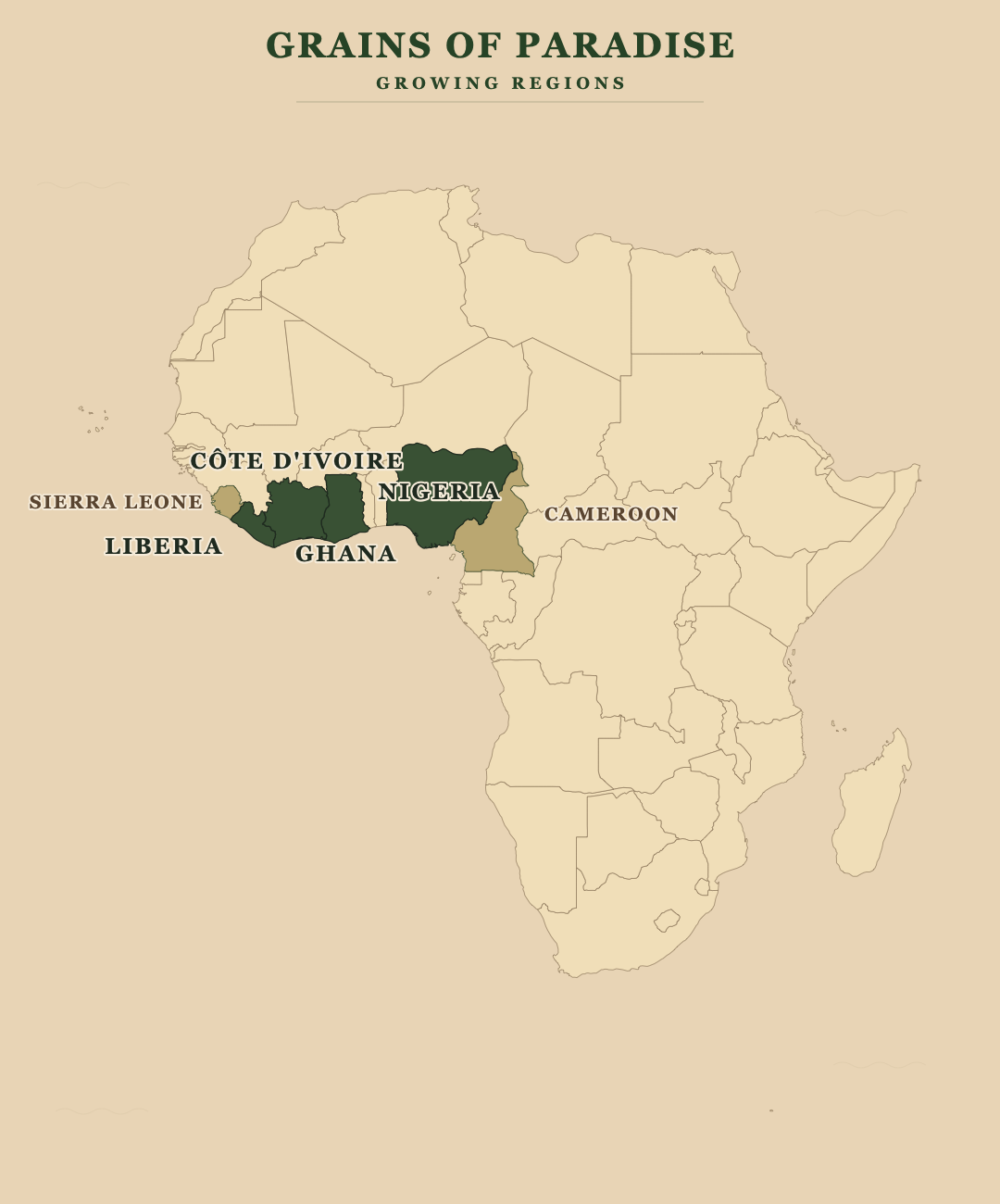
Grains of Paradise is primarily cultivated in Ghana, Liberia, Nigeria, Côte d'Ivoire, with secondary growing regions in Sierra Leone, Cameroon, limited cultivation in the Caribbean.
Spice Story
Grains of Paradise were one of the most important spices of medieval Europe. Pliny the Elder mentioned them as "African pepper"; they were rediscovered for the European market in the 14th century and quickly became a fashionable substitute for the prohibitively expensive black pepper of the East. The West African coast was named the "Grain Coast" or "Pepper Coast" specifically because of this commodity, and in 1469 King Afonso V of Portugal granted Lisbon merchant Fernão Gomes the monopoly of malagueta pepper trade in the Gulf of Guinea — one of the earliest formal European spice monopolies. [source] The spice fell from European fashion in the 17th century as Indian black pepper became cheaper, but it remained essential to West African cooking, where it is still foundational to pepper soup, jollof rice and traditional medicine. The modern craft-gin revival has brought grains of paradise firmly back into the European palate — most famously as a signature botanical of Bombay Sapphire gin (since the 1987 launch, based on a 1761 recipe).
Gin Creativity
Grains of Paradise is one of the great old-style gin botanicals. A full sachet pushes a gin into clearly 18th-century pepper-spice territory; a half-sachet provides a quietly complex warmth that integrates beautifully with juniper. Pair with cubeb for a classic Bombay-style profile, or with cardamom and orange peel for a contemporary spice-route blend.
Blending Science
Main flavour compounds
 Paradol—
 Gingerol—
 Shogaol—
 1,8-Cineoleeucalyptus, cool
Pairs well with
The pungent compounds are closely related to those in ginger. Paradol is the dominant compound — sharing the same vanilloid backbone as gingerol but with a longer carbon chain. Gingerol and shogaol are present in smaller amounts. 1,8-cineole provides a cooling eucalypt-edged top that distinguishes grains of paradise from common pepper. [source] Both vapour and warm maceration work cleanly.
Food Partners
- West African stews — pepper soup, jollof rice, egusi stew.
- Caribbean jerk seasoning — grains-of-paradise in jerk dry rub.
- Old-style spiced wines — medieval mulled wine and hippocras.
- Pickled vegetables — grains-of-paradise in the pickling spice.
- Slow-cooked game meat — venison or wild boar with a grains-of-paradise rub.
Cocktails To Try

- Bombay-style G&T — grains-of-paradise-rich gin, classic Indian tonic, citrus.
- Pepper Negroni — grains-of-paradise gin, Campari, vermouth.
- Old-style Martini — grains-of-paradise-and-cubeb gin, dry vermouth, lemon twist.
Release The Flavour
- Bruise lightly — crack the seeds in a mortar to expose oils.
- Heat-friendly — both vapour and warm maceration work cleanly.
- Time — 24–48 hours for full development.
- Pair with juniper — grains of paradise supports rather than competes with the gin backbone.
Discover more
From the same region
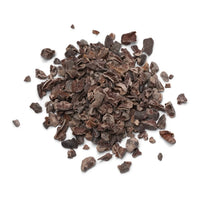
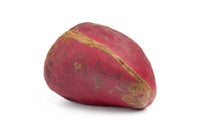
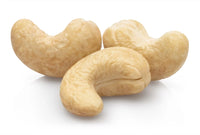
Pairs well with
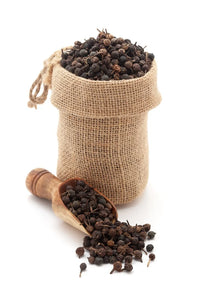
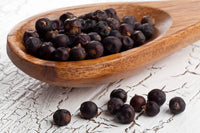
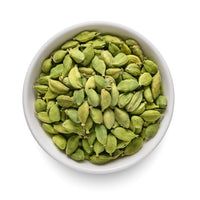
Same flavour family
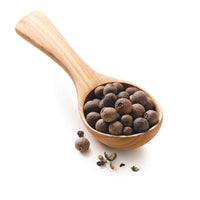
Surprise me

Sources & Citations
- scientific_name (Aframomum melegueta, Zingiberaceae):en.wikipedia.org/wiki/Aframomum_melegueta
- native_range (West African swamps):en.wikipedia.org/wiki/Aframomum_melegueta
- medieval_european_substitute_for_black_pepper:en.wikipedia.org/wiki/Aframomum_melegueta
- portuguese_monopoly_1469 (King Afonso V grant to Fernão Gomes):en.wikipedia.org/wiki/Aframomum_melegueta
- bombay_sapphire_gin_usage:en.wikipedia.org/wiki/Aframomum_melegueta
- grain_coast_pepper_coast_naming:en.wikipedia.org/wiki/Aframomum_melegueta
- main_flavour_compounds (CSV-sourced):inputs/source.csv — Grains of Paradise row
