
ALLSPICE

- Botanical name
- Pimenta dioica
- Also known as
- Jamaica pepper, Pimento, Newspice, Myrtle pepper
- Main flavour compound
- Eugenol
- Part used
- Dried unripe berry
- Method of cultivation
- Cultivated on evergreen trees in tropical lowlands, dominated by Jamaican plantations. Trees take 7–10 years to bear fruit but then produce reliably for decades, yielding around 20–25 kg of dried berries per mature tree each year.
- Commercial preparation
- Berries are harvested green and unripe between August and September, then sun-dried on concrete or cloth for 3–12 days until they turn dark brown, brittle, and lose roughly half their weight. Slow drying preserves the essential oils.
- Non-culinary uses
- Perfumery (the leaf oil is steam-distilled separately for Bay Rum); traditional Caribbean folk medicine for digestion and joint pain; embalming spice in pre-Columbian Mesoamerica.
Allspice is the dried unripe berry of Pimenta dioica, an evergreen tree in the myrtle family that thrives in the limestone hills of Jamaica and Central America. The tree itself is striking — tall, slender, with smooth grey bark that flakes off in patches. It takes seven to ten years to bear its first crop and then keeps producing reliably for a human lifetime. The name "allspice" comes from the berry's uncanny resemblance to a blend of cinnamon, nutmeg and clove — which is exactly what English merchants thought it tasted of when they first encountered it. [source]
Whole dried berry
Holds its oils for years if kept airtight. Crush just before use for the freshest aromatic lift.
Ground
Convenient but loses character within months — best bought in small jars and used promptly.
Region of cultivation

Allspice is primarily cultivated in Jamaica, with secondary growing regions in Mexico, Honduras, Guatemala.
Spice Story
Christopher Columbus reportedly brought the first allspice berries back to Europe from his 1494 voyage to the Caribbean, mistaking them for a kind of pepper — which is why the Spanish still call it pimienta de Jamaica. [source] The English came up with the more accurate name in 1621, captivated by how a single berry seemed to contain several spices at once. Jamaica has produced allspice continuously since around 1509 and now dominates the world trade — Mexican and Honduran production runs at much smaller volumes. The Maya and Aztec used the leaves and berries in funerary rites long before Columbus arrived, and the tree's leaf oil is what gives Caribbean Bay Rum cologne its character. For the home distiller, allspice is one of those rare spices that genuinely earns its name.
Gin Creativity
Allspice is a powerful warming agent — use it sparingly. A full sachet pushes a gin firmly into spiced-winter territory, often dominating juniper if you're not careful. A quarter to half sachet does its best work as a back-of-palate complement, adding round warmth without taking over. It pairs naturally with the other warming spices (cinnamon, clove, nutmeg) for a Christmas-pudding profile, or sits beautifully with orange peel for something more aromatic and Caribbean-leaning.
Blending Science
Main flavour compounds
 Eugenolclove-like, warming
 Myrcenegreen, hoppy body
 Limoneneclean citrus lift
Pairs well with
The character is dominated by eugenol, the same phenolic compound responsible for the warmth of clove — it accounts for most of allspice's depth and is the source of any mild tongue-tingling you notice. Myrcene layers a green, slightly herbaceous body underneath, and limonene lifts a brief citrus top note that fades fast. Eugenol is fat- and alcohol-soluble and survives heat well, which is why allspice's warmth carries through long extractions where more delicate spices would blow off. Crush the berries lightly to release the oils; pulverising releases bitter tannins.
Food Partners
- Jerk-spiced meat: The defining Jamaican use — allspice and Scotch bonnet are the heart of jerk seasoning.
- Caribbean curries: Adds depth and warmth without raising the heat level.
- Pumpkin and squash: Both autumnal staples are flattered by allspice's sweet-warm register.
- Mulled wine: A traditional inclusion — try three or four crushed berries per litre.
- Spiced gingerbread: The compound warmth of allspice deepens baking spice without competing.
Cocktails To Try

- Mulled gin: Allspice, cinnamon, orange peel, clove — gentle warm infusion.
- Hot buttered gin: A British reframe of hot buttered rum; allspice does most of the spice work.
- Allspice Dram cocktails (e.g. the Lion's Tail): Pimento dram liqueur is allspice-based and a natural partner for gin.
Release The Flavour
- Crush, don't grind: A whole berry cracked open releases oils slowly across a long extraction.
- Heat: Eugenol is heat-stable; allspice survives long, hot extractions where citrus would fade.
- Time: Long extractions deepen the warmth; short ones favour the citrus top note.
- Storage: Whole berries hold for years if kept airtight and dark.
Discover more
From the same region

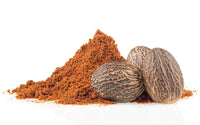
Same flavour family
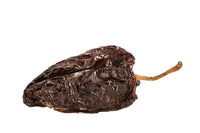

Surprise me

Sources & Citations
- scientific_name:en.wikipedia.org/wiki/Allspice
- cultivation (Jamaica monopoly, harvest season, yield):www.agritell.com/agriculture-article/how-to-grow-allspice/
- commercial_preparation (sun-drying, 3-12 days):www.agritell.com/agriculture-article/how-to-grow-allspice/
- history (Columbus 1494, English coined name 1621):en.wikipedia.org/wiki/Allspice
- main_flavour_compounds (CSV-sourced):inputs/source.csv — Allspice row
- non_culinary_uses (Bay Rum perfumery):en.wikipedia.org/wiki/Allspice
