
NATIVE ROSEMARY/SAGE

- Botanical name
- Prostanthera incisa
- Also known as
- Native Thyme, Cut-leaf Mint Bush, Native Sage, Cut-leaved Mint-bush
- Main flavour compound
- 1,8-Cineole
- Part used
- Dried leaf
- Method of cultivation
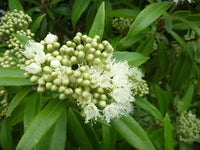
- Evergreen aromatic shrub of the Lamiaceae family, endemic to south-eastern continental Australia. The plant grows 1.5–4 metres tall, with hairy glandular branches, deeply-lobed leaves (the species name *incisa* means "cut into") and pale mauve flowers. Found along the NSW coastline from Mount Warning south to Victoria and on the Central Tablelands of NSW. The leaves release a strong minty-thyme-rosemary aroma when crushed.
- Commercial preparation
- Leaves are harvested from cultivated or wild-collected plants and gently dried. Cultivated commercially on a small-scale basis for both essential-oil production and bushfood spice; this is one of the most successful Prostanthera bushfood species. Won "best of the best" at the 2020 delicious. Harvey Norman Produce Awards.
- Non-culinary uses
- Aromatherapy and natural cosmetics (rich in essential oils); some traditional Indigenous medicinal and ceremonial uses; ornamental garden plant in temperate Australian gardens.
Native Rosemary/Sage — Prostanthera incisa, also called Native Thyme and Cut-leaf Mint Bush — is an aromatic evergreen shrub of the Lamiaceae family, endemic to south-eastern Australia. The plant grows 1.5–4 metres tall, with hairy glandular stems, deeply-lobed small leaves (the species name incisa means "cut into," referring to the leaf shape), and pale mauve flowers in spring. The leaves release a strong, complex aroma when crushed — described by tasters as combining rosemary, lemon, mint, pepper and earthy tones. [source]
Whole dried leaf
The standard form — crumble gently to release the oils.
Cracked
Faster extraction.
Region of cultivation

Native Rosemary/Sage is native to Australia, Australia — coastal NSW (Mt Warning to Victoria), Central Tablelands NSW, with secondary growing regions in Plantation cultivation across temperate eastern Australia. |
Spice Story
Native Rosemary/Sage is one of the great success stories of Australian native culinary herbs. The plant has been used by Aboriginal peoples across south-eastern Australia for tens of thousands of years for both food and medicine. Commercial bushfood cultivation began in the 1980s–1990s, and the herb has won major Australian produce awards — including being named one of the very best Australian produce items at the 2020 delicious. Harvey Norman Produce Awards. [source] The CSV designation "Native Rosemary/Sage" combines two of its commercial common names (rosemary-like and sage-like character together) — both referring to the same species P. incisa. In gin, Native Rosemary/Sage provides an exceptionally complex Australian-herb character.
Gin Creativity
Native Rosemary/Sage is one of the most complex single botanicals available — combining herbal, citrus, mint and peppery notes in one leaf. A full sachet pushes a gin firmly into clearly native-herb territory; a half-sachet provides multilayered herbaceous depth that integrates with juniper. Pair with Native Thyme and Native Oregano for a fully native herb-garden profile, or with Lemon Myrtle for added citrus brightness.
Blending Science
Main flavour compounds
 1,8-Cineoleeucalyptus, cool
 Pinenefresh pine, top note
 Borneolcamphor, herbal-cool
 Methyl chavicolanise, herbal
Pairs well with
1,8-Cineole provides the cool mint-eucalypt backbone characteristic of the Prostanthera genus. Pinene layers a resinous-pine edge. Borneol contributes a sharp camphor-like depth that gives the leaf its distinctive sage-rosemary character. Methyl chavicol adds an aniseed-warm undercurrent. Cool extraction preserves the bright top; warm extraction develops the deeper body.
Food Partners
- Native bush rubs — for game meat (kangaroo, venison).
- Australian native lamb — Native Rosemary/Sage replaces Mediterranean rosemary.
- Pizza-style flatbreads — Australian native alternative to oregano.
- Roasted root vegetables — Native Rosemary/Sage-gin glaze.
- Goat's cheese with herbs — chèvre with native herb oil.
Cocktails To Try

- Native Herb Sour — Native Rosemary/Sage gin, lemon, honey, egg white.
- Bush Garden G&T — Native Rosemary/Sage gin, native tonic, fresh herb garnish.
- Native Negroni — Native Rosemary/Sage gin, Campari, vermouth.
Release The Flavour
- Crumble gently — releases the complex aromatic.
- Cool to moderate warmth — extraction works at a range of temperatures.
- Time — 24–48 hours for full development.
- Use as headline native herb — Native Rosemary/Sage rewards being given space.
Discover more
From the same region
Pairs well with
Same flavour family

Surprise me

Sources & Citations
- scientific_name (Prostanthera incisa, Lamiaceae):en.wikipedia.org/wiki/Prostanthera_incisa
- native_range (coastal NSW to Victoria):en.wikipedia.org/wiki/Prostanthera_incisa
- complex_flavour_rosemary_lemon_mint_pepper:tuckerbush.com.au/native-thyme-prostanthera-incisa/
- 2020_delicious_produce_award:tuckerbush.com.au/meet-the-native-thyme-an-award-winning-...
- main_flavour_compounds (CSV-sourced):inputs/source.csv — Native Rosemary/Sage row
