
CUMIN

- Botanical name
- Cuminum cyminum
- Also known as
- Jeera (Hindi), Comino (Spanish), Kemoun (Arabic)
- Main flavour compound
- Cuminaldehyde
- Part used
- Dried fruit (the small ridged "seed")
- Method of cultivation
- Annual herb of the Apiaceae family — the carrot/coriander/fennel family — native from the eastern Mediterranean to East India. The plant grows around 30–50 cm tall, with finely-divided leaves and small umbels of white or pink flowers that mature into the familiar small, ridged, brown seeds. Cumin requires a long, hot summer of three to four months with daytime temperatures around 30°C and is drought-tolerant.
- Commercial preparation
- Plants are harvested when most of the seeds are mature, dried, threshed, cleaned of chaff and stems, and sold whole or ground. The volatile oil content of high-quality cumin is 2–5%, of which 40–65% is cuminaldehyde — the dominant aromatic compound. India produces roughly 70% of world cumin output (about 856,000 tons in 2020); Syria, Turkey, the UAE and Iran make up most of the rest.
- Non-culinary uses
- Traditional medicine across Indian Ayurvedic, Middle Eastern Unani and Mediterranean herbal systems for digestion; pre-Christian and medieval European herbalism; the essential oil is used in perfumery for warm-spice accords.
Cumin — Cuminum cyminum — is a small annual herb of the Apiaceae family, native from the eastern Mediterranean across to East India. The plant grows around knee-high, with fine feathery leaves and small umbels of pale flowers that mature into the familiar small, brown, ridged "seeds" — technically the dried fruits of the plant, not seeds in the strict botanical sense. The whole spice is unmistakable: those tiny longitudinally-ridged ovals, brown to khaki in colour, with a slightly bitter, instantly recognisable warm aromatic character that defines so much of the Middle Eastern, Indian and Mexican cooking palette.
Whole dried seed
The standard form — toast briefly in a dry pan before use to deepen the warm character.
Ground
Convenient but cuminaldehyde oxidises within 3–6 months; pre-ground product loses character fast.
Region of cultivation
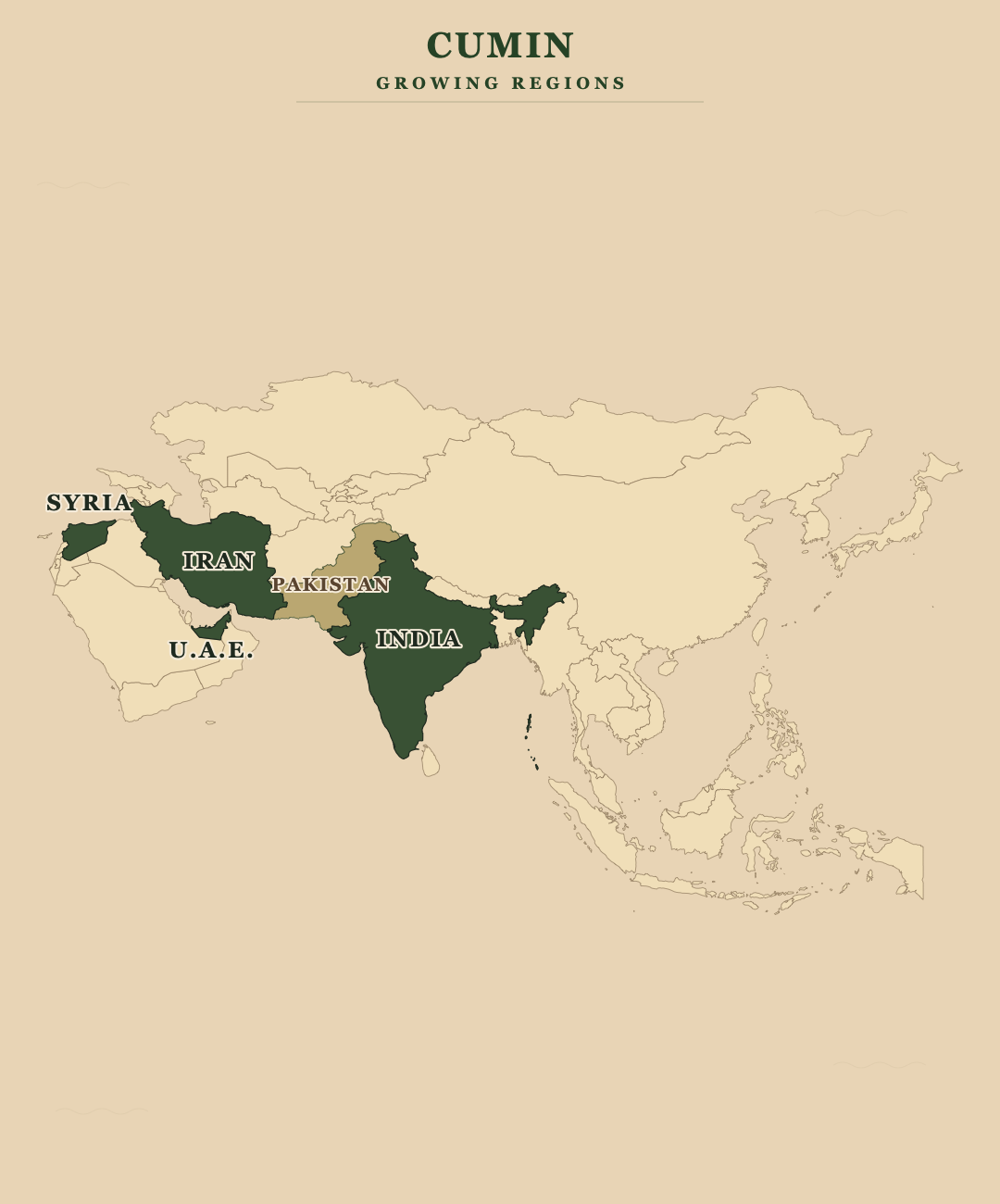
Cumin is primarily cultivated in India (70% world production), Syria, Turkey, UAE, Iran, with secondary growing regions in Egypt, Tunisia, Mexico, Pakistan.
Spice Story
Cumin is one of the oldest spices in continuous human use. Archaeological evidence places cumin in Egyptian tombs dating back 5,000 years, [source] and the spice is mentioned in both the Old and New Testaments of the Bible (Isaiah 28:27, Matthew 23:23 — used as currency in the Roman period for paying tithes). The Greeks and Romans used cumin extensively; medieval Europe inherited the practice but gradually lost it as caraway and other warmer spices became more accessible. The spice retreated to Indian, Middle Eastern and (later) Mexican cooking, where it has remained foundational. India now produces about 70% of world cumin. [source] In gin, cumin is a less-common but growing contemporary botanical — particularly in Indian-style, Middle Eastern and Mexican craft gin profiles where the goal is genuine spice-route character.
Gin Creativity
Cumin is powerful and distinctive — use it carefully. A full sachet pushes a gin firmly into spice-rub territory (closer to a baharat gin than a London Dry); a half-sachet adds quiet warm-earthy depth that pairs naturally with coriander seed and citrus peel for an Indian-leaning gin. Avoid pairing cumin with very heavy florals — its dominant character buries them. Note that cumin and caraway are often confused but produce very different gins — cumin is warmer and earthier, caraway is brighter and more anise-leaning.
Blending Science
Main flavour compounds
 Cuminaldehydeearthy, savoury
 Beta-Pinenefresh pine, top note
 Gamma-Terpinenefresh pine, top note
 P-Cymene—
Pairs well with
- Coriander seed
- Caraway
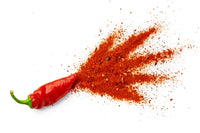
- Chilli
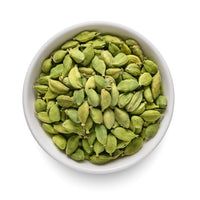
- Cardamom
- Citrus peel
The dominant compound is cuminaldehyde — typically 40–65% of cumin's essential oil. [source] It is responsible for the warm, slightly sweat-edged, instantly-identifiable cumin character (the "sweat" note is a real chemical effect — cuminaldehyde-related compounds are also produced in human perspiration). Beta-pinene layers a pine-resinous backbone underneath. Gamma-terpinene adds a slightly bitter herbaceous edge. P-cymene contributes the warm-spicy lift. Cuminaldehyde is heat-stable and survives both vapour and warm maceration; a brief dry-pan toast before extraction deepens the warm character significantly via Maillard chemistry.
Food Partners
- Middle Eastern lamb: Shawarma, kefta, lamb tagines — cumin is foundational.
- Indian curries and dal: Cumin in nearly every Indian spice blend, fried in ghee at the start of a curry.
- Mexican chilli con carne: A textbook Mexican-American use.
- Roasted root vegetables: Carrot, parsnip, beetroot — cumin transforms simple roasting.
- Spice-rubbed grilled fish: Mediterranean and North African tradition.
Cocktails To Try

- Cumin Bloody Mary: Cumin-gin instead of vodka, with full Bloody Mary spice palette.
- Spice-Route Negroni: Cumin-and-coriander gin, Campari, sweet vermouth.
- Spiced Margarita: Cumin-gin with lime, agave, salt rim.
Release The Flavour
- Toast first: Brief dry-pan toast wakes up the cuminaldehyde and deepens the warm character.
- Heat-friendly: Both vapour and warm maceration work; cumin survives long extractions cleanly.
- Time: 24–48 hours for full development.
- Less is more: Cumin is dominant; a small amount transforms a blend.
Discover more
From the same region
Pairs well with
Same flavour family
Surprise me

Sources & Citations
- scientific_name and family:en.wikipedia.org/wiki/Cumin
- native_range (eastern Mediterranean to East India):en.wikipedia.org/wiki/Cumin
- Egyptian_tombs_5000_years_BCE:www.newworldencyclopedia.org/entry/Cumin
- biblical_mentions (Isaiah 28:27; Matthew 23:23):en.wikipedia.org/wiki/Cumin
- India_largest_producer (70%, ~856k tons 2020):en.wikipedia.org/wiki/Cumin
- cuminaldehyde_dominance (40-65% of essential oil):en.wikipedia.org/wiki/Cumin
- main_flavour_compounds (CSV-sourced):inputs/source.csv — Cumin row
