
NIGELLA SEED

- Botanical name
- Nigella sativa
- Also known as
- Black caraway, Black cumin, Black seed, Kalonji (Hindi), Charnushka (Russian), Habbat al-barakah (Arabic — "blessed seed")
- Main flavour compound
- Thymoquinone
- Part used
- Dried seed (small angular matte-black seeds)
- Method of cultivation
- Annual flowering plant of the Ranunculaceae family (the buttercup family — surprising for a spice), native to western Asia and now cultivated across India, Egypt, Turkey, Iran and the broader Middle East. The plant grows 30–60 cm tall with finely-divided leaves and delicate pale blue flowers; the seeds develop inside the seed capsules and are harvested when fully mature. Despite multiple common names suggesting otherwise, nigella seed is not related to caraway, cumin or any onion species.
- Commercial preparation
- Mature seed capsules are harvested, dried, threshed and cleaned to extract the small angular black seeds.
- Non-culinary uses
- Foundational ingredient across Indian, Middle Eastern, Egyptian and Eastern European cooking — used as a topping for bread (especially naan and Turkish *çörek*), in pickles, in dukkah; substantial traditional medicinal role across Arabic and Ayurvedic systems for centuries; the Prophet Muhammad is recorded as having endorsed nigella seed as a cure for "every disease except death".
Nigella — Nigella sativa — is an annual flowering plant of the Ranunculaceae family (the buttercup family, which is botanically unusual for a culinary spice). The plant grows about 30–60 cm tall, with finely-divided feathery leaves and delicate pale-blue or white flowers; after flowering, seeds develop inside dry capsules and are harvested when fully mature. The seeds are small, angular and matte-black, with a sharp peppery-nutty character. [source] Common names are confusing: "black caraway," "black cumin," "black onion seed" and "black seed" all refer to the same plant — and none of those analogies are botanically related to nigella itself, which is in a different family from caraway, cumin and onion.
Whole dried seed
The standard form — bruise lightly before use.
Toasted whole seed
Toasted briefly in a dry pan for deeper character.
Region of cultivation
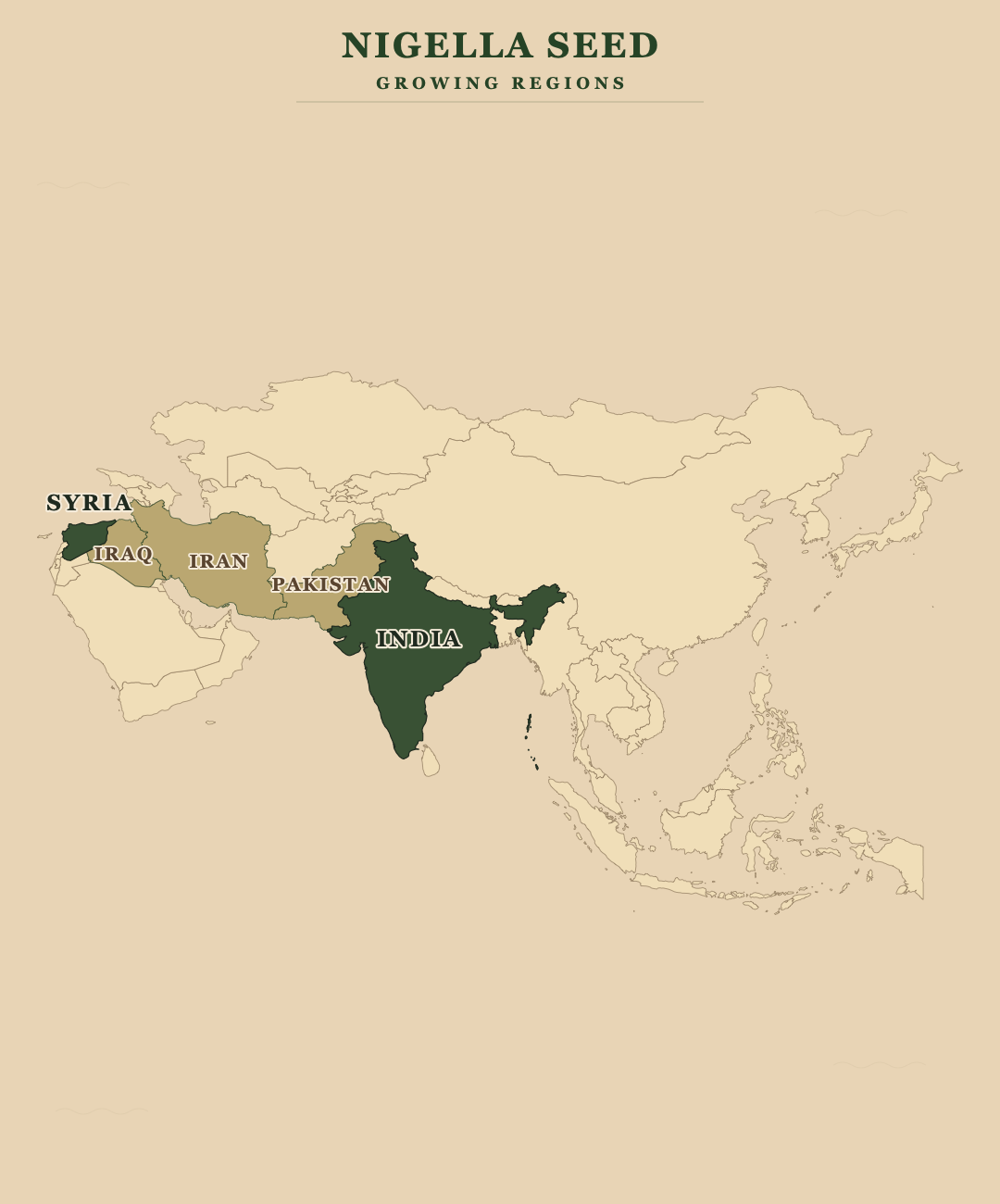
Nigella Seed is primarily cultivated in India, Egypt, Turkey, Syria, with secondary growing regions in Iran, Iraq, Pakistan, Eastern Europe.
Spice Story
Nigella has been used as both culinary and medicinal seed across the Middle East, Egypt, India and the Mediterranean for at least 3,000 years. Egyptian tombs have yielded nigella seeds; the spice appears in Islamic medical and religious tradition with significant weight (the Prophet Muhammad is recorded as having said nigella is a "cure for every disease except death" — al-habbat al-sawda means "the blessed seed" in Arabic). Modern commercial production is dominated by India (where the seed is known as kalonji and is foundational to many spice blends), Egypt, Turkey and the broader Middle East. In gin, nigella seed is an unusual contemporary botanical providing distinctive peppery-nutty warmth.
Gin Creativity
Nigella seed brings sharp peppery-onion character with a nutty undertone. A full sachet pushes a gin firmly into Indian/Middle Eastern spice territory; a half-sachet provides quiet warm depth that integrates with juniper. Pair with cumin and coriander for an Indian-spice profile, or with curry leaf and mustard seed for a tadka-style blend.
Blending Science
Main flavour compounds
 Thymoquinone—
 Carvacrol—
 P-Cymene—
 Alpha-Pinenefresh pine, top note
Pairs well with
Thymoquinone is the dominant active compound — a quinone responsible for both nigella's distinctive flavour and most of its documented bioactive properties. Carvacrol layers a thyme-like savoury note. P-cymene adds a slight bitter herbaceous depth. Alpha-pinene contributes a resinous backbone that bridges to juniper. Heat-stable; both vapour and warm maceration work cleanly.
Food Partners
- Turkish bread and Indian naan — nigella seeds as a topping.
- Pickled vegetables — nigella in pickling spice.
- Spice blends — Bengali panch phoron, Egyptian dukkah.
- Pickled lemon — nigella in Moroccan preserved lemon.
- Roasted vegetable dishes — nigella in roasted root rubs.
Cocktails To Try

- Spice-route Bloody Mary — nigella gin, tomato, lemon, dukkah rim.
- Indian G&T — nigella-and-curry-leaf gin, tonic.
- Spice Negroni — nigella gin, Campari, vermouth.
Release The Flavour
- Bruise gently — releases the volatile compounds.
- Toast briefly — deepens the nutty character.
- Heat is friendly — survives vapour and maceration.
- Time — 24 hours for full development.
Discover more
From the same region


Pairs well with
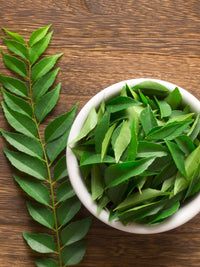
Same flavour family
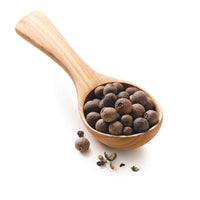
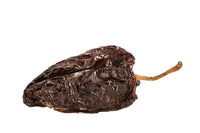
Surprise me

Sources & Citations
- scientific_name (Nigella sativa, Ranunculaceae):en.wikipedia.org/wiki/Nigella_sativa
- native_western_asian_origin:en.wikipedia.org/wiki/Nigella_sativa
- common_names_etymology:en.wikipedia.org/wiki/Nigella_sativa
- flavour_profile (peppery-nutty-onion-like):leenaspices.co.nz/blog-herbs-and-spices-nigella-seeds/
- cultivation_india_egypt_middle_east:en.wikipedia.org/wiki/Nigella_sativa
- main_flavour_compounds (CSV-sourced):inputs/source.csv — Nigella Seed row
