
ANCHO PEPPER

- Botanical name
- Capsicum annuum
- Also known as
- Dried poblano, Chile ancho
- Main flavour compound
- Capsaicin
- Part used
- Dried, fully ripened pepper (poblano dried = ancho)
- Method of cultivation
- Cultivated annual of the Solanaceae family, originating in Puebla, Mexico. Plants grow as small bushes around 60 cm tall and prefer warm, well-drained soils with full sun. The fresh fruit is the poblano (dark green, mild); once fully ripened to deep red and dried, it becomes the ancho.
- Commercial preparation
- Ripe red poblanos are sun-dried or kiln-dried until their skin wrinkles deeply and the colour darkens to brick or chocolate brown. Quality is graded on flexibility and oil content — a good ancho should still bend without snapping. Stems are usually trimmed before sale.
- Non-culinary uses
- Largely culinary; the seeds and dried hulls are sometimes used as decorative dyestuffs and in traditional Mexican folk medicine.
Ancho pepper is the dried form of the poblano — Capsicum annuum, originally from the Mexican state of Puebla, after which it takes its name. The plant is a small bushy annual, rarely more than waist height, with broad dark leaves and pendulous fruit that ripens from green through to a deep glossy red. The fresh poblano is mild (1,000–2,000 Scoville units, less than a jalapeño); dried, the chemistry concentrates and the personality shifts — the heat stays modest but the sweetness intensifies into something closer to raisin, plum and cocoa. [source]
Whole dried pod
The most aromatic form — toast briefly in a dry pan before use to wake up the oils.
Flakes or ground
Faster to use but loses aromatic depth within months.
Region of cultivation
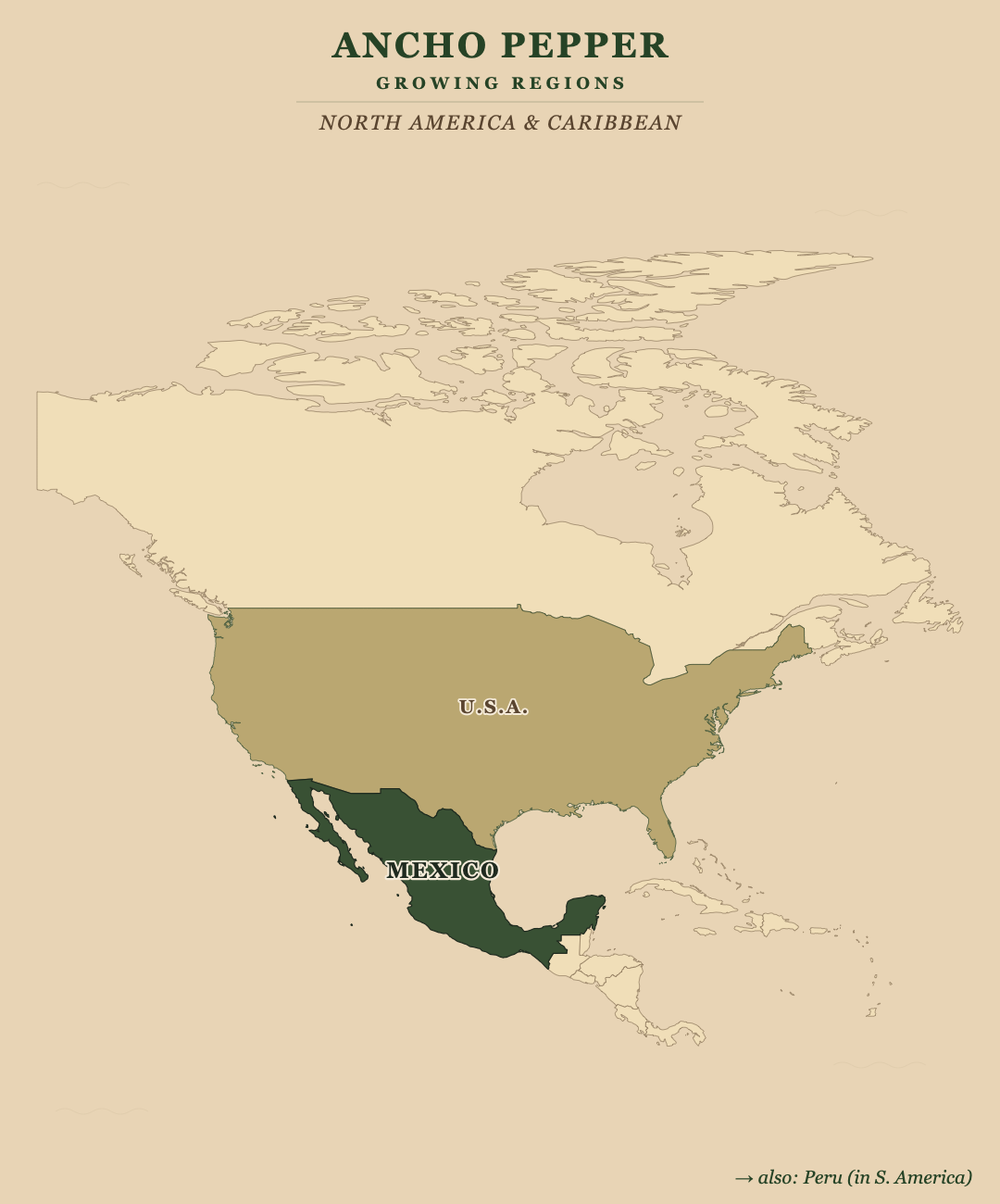
Ancho Pepper is primarily cultivated in Mexico (Puebla, Oaxaca), with secondary growing regions in United States (southwest), Peru, China.
Spice Story
The poblano-ancho is one of the foundational chillies of Mexican cuisine. It is the dominant pepper in classic mole poblano — the rich, chocolate-darkened sauce of Puebla that legend dates to colonial nuns in the 17th century — and it appears across the cuisines of central and southern Mexico in everything from stuffed dishes (chiles rellenos) to dry rubs. Spanish colonists carried Capsicum annuum back to Europe in the 16th century, where it scattered eastward and quickly became the foundational pepper of Hungarian and Eastern European cooking. The ancho's modern presence in craft gin is more recent — a generation of Mexican and Mexican-influenced distillers (Casa Lumbre, Pierde Almas) have used it to bridge gin's juniper backbone with the warm, sweet, smoky register usually associated with mezcal.
Gin Creativity
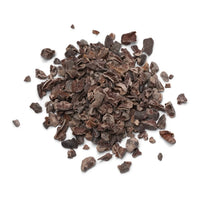
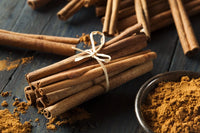
Ancho is a flavour weapon, not a casual addition. A full sachet brings real heat — the gentle, building kind rather than a sharp punch — alongside concentrated raisin-sweet depth. A half-sachet lets the dried-fruit notes carry without the warmth dominating. It pairs naturally with cacao nibs, cinnamon and orange peel for a "Mexican mole" botanical bill, or with coriander and cumin for something more spice-route. Avoid pairing with bright citrus, which competes rather than complements.
Blending Science
Main flavour compounds
 Capsaicin—
 Beta-Carotene—
 Lutein—
Pairs well with
The heat comes from capsaicin, the alkaloid responsible for chilli pungency across the Capsicum genus. Capsaicin is fat- and alcohol-soluble, so it extracts readily into a high-proof gin and survives both cool steeps and long maceration. Beta-carotene and lutein are the carotenoid pigments responsible for the deep red colour; they're not aromatic themselves but indicate a fruit that ripened fully on the vine and dried slowly, which correlates with the deepest flavour development. The signature raisin-chocolate notes that emerge during drying are products of Maillard chemistry as residual sugars react with amino acids in the slow drying process — which is why a sun-dried ancho tastes deeper than a kiln-dried one.
Food Partners
- Mole sauces: The defining use — try a teaspoon of ancho-gin in a mole-glazed roast.
- Slow-braised pork: Ancho's warmth survives long cooks where fresh chilli would turn harsh.
- Dark chocolate desserts: The raisin-cocoa note in ancho echoes the cocoa, doubling the effect.
- Smoky bean stews: Black beans, ancho and cumin are inseparable.
- Roasted corn: A Mexican street-corn pairing — ancho, lime, queso fresco.
Cocktails To Try

- Ancho-gin Margarita: Ancho-infused gin in place of tequila, fresh lime, agave syrup.
- Spiced Negroni: Half a small ancho pod in the stir transforms the drink into something brooding and savoury.
- Smoky Gin Sour: Egg white, lemon, sugar, ancho-gin — the deep red is half the appeal.
Release The Flavour
- Toast first: A quick dry-toast in a hot pan wakes up the aromatic oils before extraction.
- Heat: Capsaicin is heat-stable; ancho survives long, hot infusions.
- Time: Short infusions emphasise the dried-fruit sweetness; longer ones build the heat.
- Strain carefully: Tiny chilli particles will keep extracting heat in the bottle if you leave them in.
Discover more
From the same region

Pairs well with

Surprise me

Sources & Citations
- scientific_name (Capsicum annuum, poblano/ancho):en.wikipedia.org/wiki/Poblano
- cultivation (Puebla origin, plant characteristics):farmerflints.com/blogs/news/ancho-poblano-pepper-a-compre...
- flavour profile (raisin/chocolate notes on drying):farmerflints.com/blogs/news/ancho-poblano-pepper-a-compre...
- main_flavour_compounds (CSV-sourced):inputs/source.csv — Ancho Pepper row
