
CURRY LEAF

- Botanical name
- Murraya koenigii
- Also known as
- Curry tree leaf, Kari patta (Hindi), Karuveppilai (Tamil), Sweet neem
- Main flavour compound
- Beta-Caryophyllene
- Part used
- Dried leaf (whole, with stem)
- Method of cultivation
- Small tropical tree or shrub of the Rutaceae family (the same family as citrus), native to the moist forests of India and Sri Lanka. The plant grows 2–5 metres tall and is cultivated widely across South and South-East Asia as both a culinary and a religious-medicinal plant. Three cultivar groups exist: regular, dwarf, and *gamthi* (the most aromatic variety, name derived from Sanskrit *gandhi* meaning "fragrant").
- Commercial preparation
- Fresh leaves are picked, washed, and either freeze-dried, low-temperature dehydrated, or sun-dried under shade to preserve the volatile aromatic compounds. Freeze-dried leaves retain the most flavour and bright green colour; sun-dried product is more economical but loses some of the bright citrus character.
- Non-culinary uses
- Foundational role in Ayurvedic medicine for digestion and respiratory complaints; the essential oil is used in soap manufacture; ornamental tree across South-East Asia.
Curry leaf — Murraya koenigii — is a small tropical tree of the Rutaceae family, native to the moist forests of India and Sri Lanka. Despite its common name, curry leaf is not related to curry powder (which is a blend of different spices) — it is botanically a cousin of citrus, sharing the family Rutaceae with orange, lemon and lime. The tree grows 2–5 metres tall, with elegant compound leaves that have a glossy, citrus-like upper surface; the leaves are intensely aromatic when fresh, with a character that has been described as somewhere between citrus, walnut and warm-spice — unmistakable to anyone who's eaten South Indian or Sri Lankan food. [source]
Whole dried leaf
The standard form — crumble lightly to release the oils before use.
Powdered
Convenient but loses character within months as the volatile compounds oxidise.
Region of cultivation
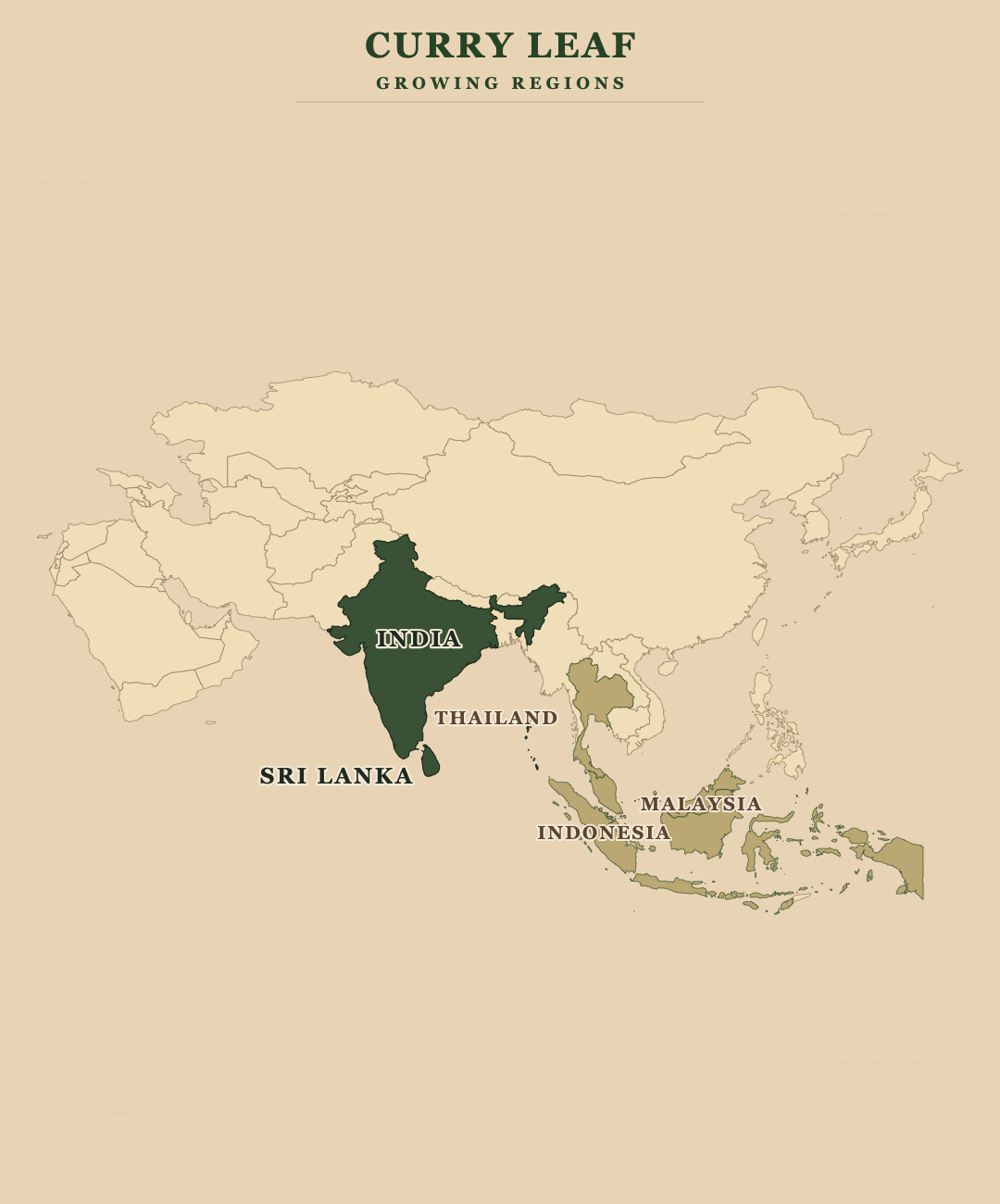
Curry Leaf is primarily cultivated in India (especially South India), Sri Lanka, with secondary growing regions in Thailand, Malaysia, Indonesia, Mauritius (large diaspora cultivation).
Spice Story
Curry leaf is a defining ingredient in the cuisines of southern India and Sri Lanka, used so foundationally that many Indians grow a curry-leaf plant in the kitchen garden. The traditional South Indian technique of tadka — quickly frying mustard seeds, cumin and curry leaves in hot ghee or oil to "bloom" them before adding to the main dish — is the canonical use, and produces an aromatic transformation no other technique replicates. The plant has Ayurvedic medicinal status as a digestive tonic and is sacred in some Hindu traditions. In Western use it remained relatively obscure until the late 20th-century rise of Indian and Sri Lankan restaurants made it familiar; in craft gin, curry leaf is one of the most distinctively South Asian botanicals available, appearing in Indian-influenced gins and contemporary craft expressions that lean on subcontinental flavour.
Gin Creativity
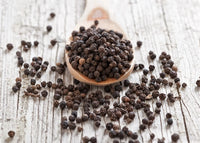
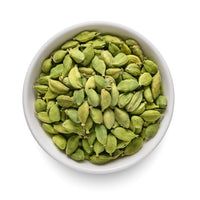
Curry leaf brings a complex citrus-and-warm-spice character that no other botanical replicates. A full sachet pushes a gin firmly into Indian-spice territory; a half-sachet adds an unusual aromatic background that integrates with juniper to create something genuinely different. It pairs naturally with coriander seed and cardamom for a "South Indian" gin profile, or with mustard seed and black pepper for tadka-inspired character. Avoid combining with very heavy florals — curry leaf's distinctive aromatic gets buried.
Blending Science
Main flavour compounds
 Beta-Caryophyllenewarm woody, peppery
 Alpha-Pinenefresh pine, top note
 Sabinenepepper, warming
 Beta-Phellandrenecitrus-mint, peppery
Pairs well with
Curry leaf's chemistry is built from a mix of sesquiterpenes and monoterpenes rather than a single dominant compound. Beta-caryophyllene provides a warm woody-spice depth. Alpha-pinene layers a resinous backbone that bridges curry leaf naturally to juniper. Sabinene adds a sharp peppery edge. Beta-phellandrene contributes a slightly citrusy lift that hints at the plant's Rutaceae family relationship to citrus. The volatile compounds are heat-sensitive — fresh curry leaf wilted in hot oil releases its character explosively, but loses it equally fast — so for gin work, cool extraction preserves the brightness while warm extraction develops the deeper warm-spice background.
Food Partners
- South Indian dishes: Sambar, rasam, coconut chutneys — curry leaf is foundational.
- Sri Lankan curries: Used in nearly every traditional Sri Lankan curry tempering.
- Coconut-based curries: Curry leaf and coconut milk are exceptional partners.
- Fish curries: Especially Goan and Keralan fish dishes.
- Lentil dal preparations: Curry leaf in the final tadka tempering.
Cocktails To Try

- South Indian G&T: Curry-leaf gin, coriander-rich tonic, fresh curry-leaf garnish.
- Tadka Negroni: Curry-leaf-and-mustard-seed gin, Campari, vermouth.
- Spice Sour: Curry-leaf gin, lemon, jaggery syrup, egg white.
Release The Flavour
- Cool extraction: Preserves the bright citrus-aromatic character.
- Crumble gently: Light pressure releases the volatile oils.
- Brief contact: 2–6 hours captures the brightness; longer extractions go bitter.
- Source matters: Gamthi variety is the most aromatic; ask your supplier.
Discover more
From the same region
Pairs well with
Same flavour family
Surprise me

Sources & Citations
- scientific_name and family (Murraya koenigii, Rutaceae):en.wikipedia.org/wiki/Curry_tree
- native_range (India and Sri Lanka moist forests):www.britannica.com/plant/curry-tree
- cultivar_groups (regular, dwarf, gamthi):en.wikipedia.org/wiki/Curry_tree
- ayurvedic_medicinal_use:medcraveonline.com/MOJBM/curry-leaf-murraya-koenigii-a-sp...
- main_flavour_compounds (CSV-sourced):inputs/source.csv — Curry Leaf row
