
LEMON BALM

- Botanical name
- Melissa officinalis
- Also known as
- Melissa, Sweet balm, Garden balm, Bee balm (in some traditions)
- Main flavour compound
- Citral (neral + geranial)
- Part used
- Dried leaf
- Method of cultivation
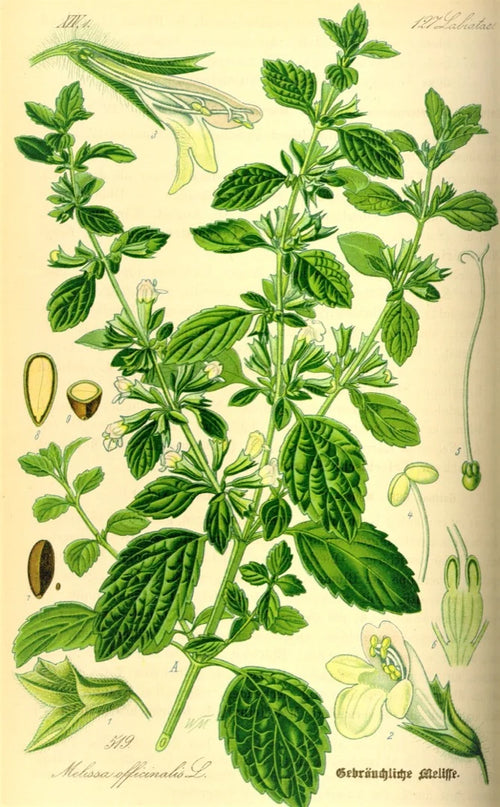
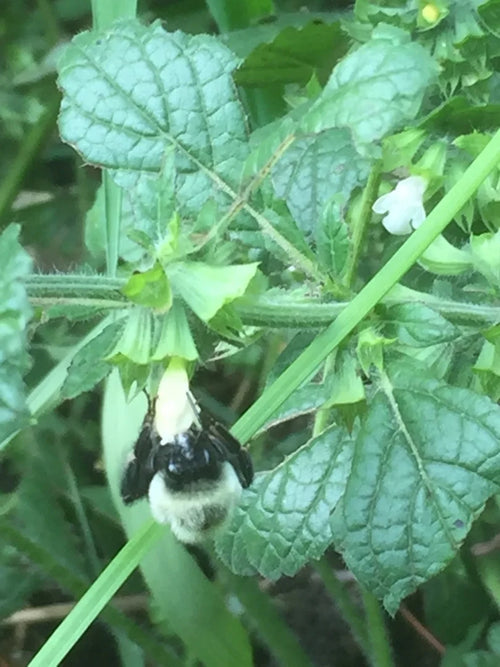
- Hardy perennial herb of the Lamiaceae (mint) family, native to southern Europe and the eastern Mediterranean. The plant grows to about 1 metre, with bright-green crinkled leaves and small white flowers in summer. The Latin genus name *Melissa* is Greek for "honey bee" — lemon balm was traditionally planted to attract honey bees and encourage them to return to hives.
- Commercial preparation
- Leaves are harvested in summer, gently dried at low temperature (high heat destroys the volatile citral), and either sold whole-leaf or as cracked tea-cut. Hungarian, German and French production dominates the European market.
- Non-culinary uses
- Traditional medicine across European herbalism — used for digestion, anxiety, sleep and minor skin complaints since at least classical Roman times; the European Medicines Agency recognises lemon balm as a traditional herbal medicine; foundational ingredient in some monastic liqueurs (Eau de Mélisse des Carmes, made by Carmelite nuns since the 17th century).
Lemon Balm — Melissa officinalis — is a hardy perennial of the mint family, native to southern Europe and the eastern Mediterranean. The plant grows about 1 metre tall, with bright-green crinkled leaves that release a clean lemon-mint aroma when bruised, and small white flowers in summer that attract bees in significant numbers — which is what gave the plant its Latin name (Melissa is Greek for "honey bee"). Lemon balm has been cultivated continuously in European gardens since at least Roman times. [source]
Whole dried leaf
The standard form — crumble lightly to release the citral.
Cracked tea-cut
Faster extraction.
Region of cultivation
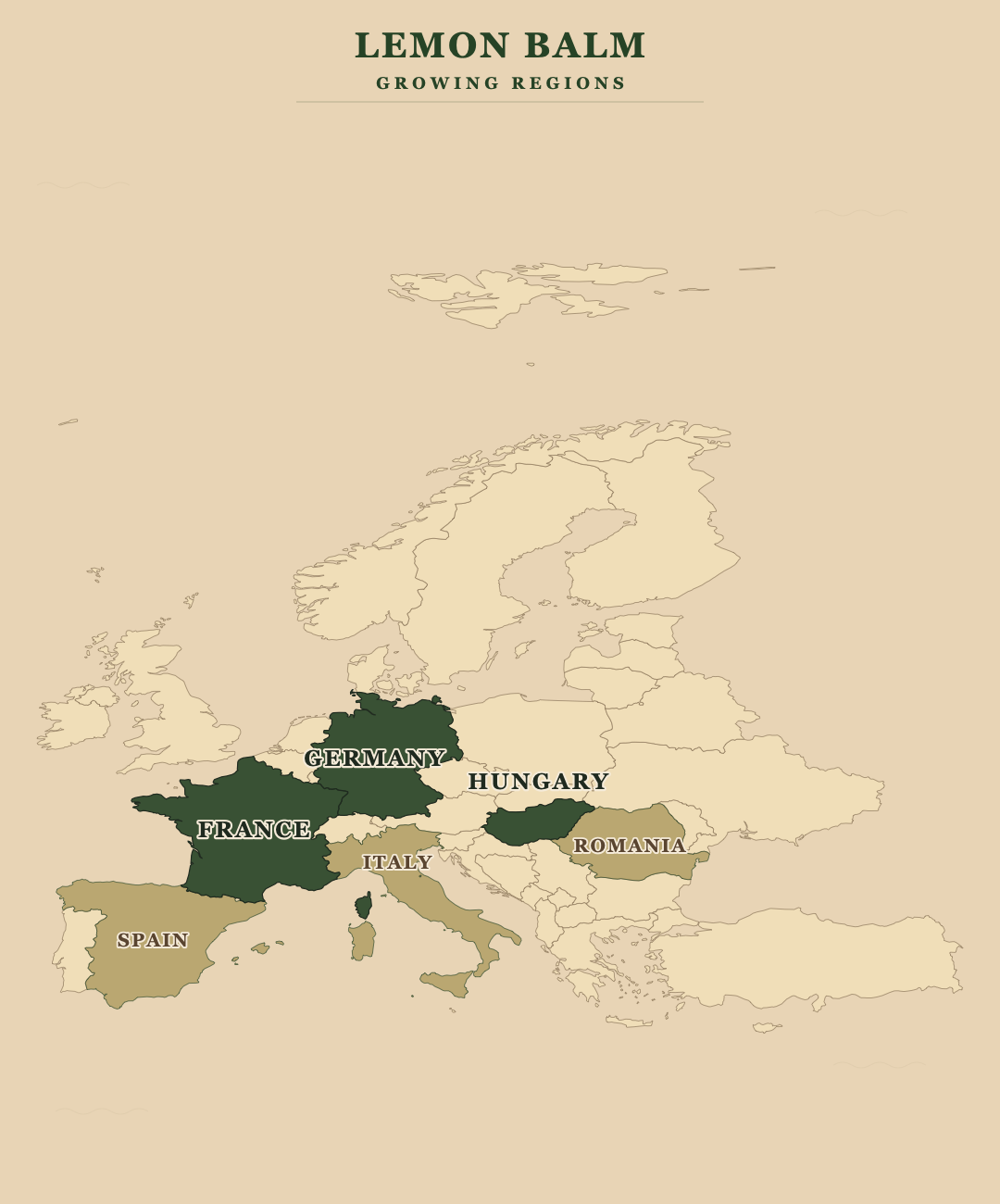
Lemon Balm is primarily cultivated in Hungary, Germany, France, with secondary growing regions in Italy, Spain, Romania, USA, Australia (small-scale).
Spice Story
Lemon balm is one of the foundational European cottage-garden herbs. Pliny the Elder mentioned it; medieval European monks grew it for medicinal use and to encourage hive-bound bees to return; Paracelsus called it the "elixir of life". The Carmelite nuns of 17th-century Paris combined lemon balm with lemon peel, angelica root and a dozen other herbs to make Eau de Mélisse des Carmes — a digestive cordial still produced today by the same recipe. The European Medicines Agency formally recognises lemon balm as a traditional herbal medicine for digestive and stress complaints. In gin, lemon balm provides a softer, more herbaceous lemon character than direct lemon peel — particularly valuable in "garden gin" expressions.
Gin Creativity
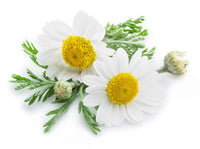
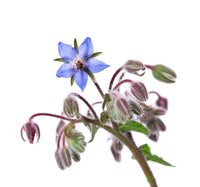
Lemon Balm brings soft lemon-mint character with a faintly honey-floral background. A full sachet pushes a gin into clearly herbaceous-lemon territory; a half-sachet provides a quietly lemony lift that integrates with juniper. Pair with chamomile and honey for a "garden gin" profile, or with borage and cucumber for a Pimm's-leaning summer profile.
Blending Science
Main flavour compounds
 Citral (neral + geranial)lemon-bright
 Citronellallemon-rosy
 Geraniolrose, soft floral
 Caryophyllenewarm woody, peppery
Citral (the combination of neral and geranial — geranial 4–85%, neral 3–35%) is the dominant lemon-aromatic compound. Citronellal (1–44%) layers a softer citrus-rose note. Geraniol (3–40%) contributes additional floral lift. (E)-caryophyllene (0–14%) adds a warm woody depth. [source] The wide ranges reflect chemotype variation between cultivars. Cool extraction preserves the bright citral.
Food Partners
- Honey-lemon desserts — natural pairing.
- Cool summer salads — lemon balm in green leaf salads.
- Stone-fruit dishes — peach-and-lemon-balm syrup.
- Soft white cheese — chèvre with lemon balm and honey.
- Light fish dishes — lemon balm in cream sauces.
Cocktails To Try

- Garden Spritz — lemon balm gin, prosecco, soda, fresh lemon balm leaf.
- Lemon Balm Sour — lemon balm gin, lemon, sugar, egg white.
- Pimm's-style Cup — lemon balm gin in Pimm's-style ginger ale, cucumber, mint, borage.
Release The Flavour
- Cool extraction — preserves the bright citral.
- Bruise gently — releases the volatile compounds.
- Brief contact — 1–4 hours captures the brightness.
- Whole dried leaf — holds character much longer than cracked.
Discover more
From the same region
Pairs well with
Same flavour family
Surprise me

Sources & Citations
- scientific_name (Melissa officinalis, Lamiaceae):en.wikipedia.org/wiki/Lemon_balm
- melissa_etymology (Greek for honey bee):en.wikipedia.org/wiki/Lemon_balm
- 2000_year_use_history:www.traditionalmedicinals.com/blogs/herb-library/lemon-balm
- chemistry (citral, citronellal, geraniol, caryophyllene):en.wikipedia.org/wiki/Lemon_balm
- ema_traditional_herbal_medicine_recognition:www.traditionalmedicinals.com/blogs/herb-library/lemon-balm
- main_flavour_compounds (CSV-sourced):inputs/source.csv — Lemon Balm row
