
CAYENNE PEPPER

- Botanical name
- Capsicum annuum
- Also known as
- Red pepper, Long red, Bird pepper
- Main flavour compound
- Capsaicin
- Part used
- Dried ripe pepper (whole or ground)
- Method of cultivation
- Cultivated cultivar of *Capsicum annuum*, native to South and Central America like all members of its species, named after the city of Cayenne in French Guiana where it was historically commercialised. The plant is a small bushy annual producing slim, glossy red peppers 5–12 cm long; it has been cultivated by indigenous peoples for around 7,000 years and was introduced to the Old World via Columbus in 1493.
- Commercial preparation
- Mature red peppers are sun-dried or low-temperature kiln-dried until brittle, then either left whole or ground to a fine red powder. Quality is graded on heat (Scoville units), colour intensity (a deep red is preferred) and absence of bitter notes from over-drying.
- Non-culinary uses
- Traditional medicine across South America, the Caribbean and West Africa for digestive complaints and as a circulatory stimulant; the capsaicin extract is widely used in topical pain creams; pepper spray formulations.
Cayenne pepper is a hot, slim-fruited cultivar of Capsicum annuum — the same species that produces poblanos, jalapeños and bell peppers, but selected over thousands of years for direct, uncomplicated heat. The plant is a low bushy annual with dark green foliage, producing pendulous red fruits 5–12 cm long that ripen on the plant before harvest. The name traces to the city of Cayenne in French Guiana, where the spice was historically commercialised; the word itself is probably a corruption of kyynha, the Old Tupi word for capsicum in the indigenous languages of South America. [source]
Whole dried pepper
The standard form — crack open and use seeds + flesh together, or remove seeds for a cleaner heat.
Ground powder
Convenient but loses character within months as capsaicin oxidises.
Region of cultivation
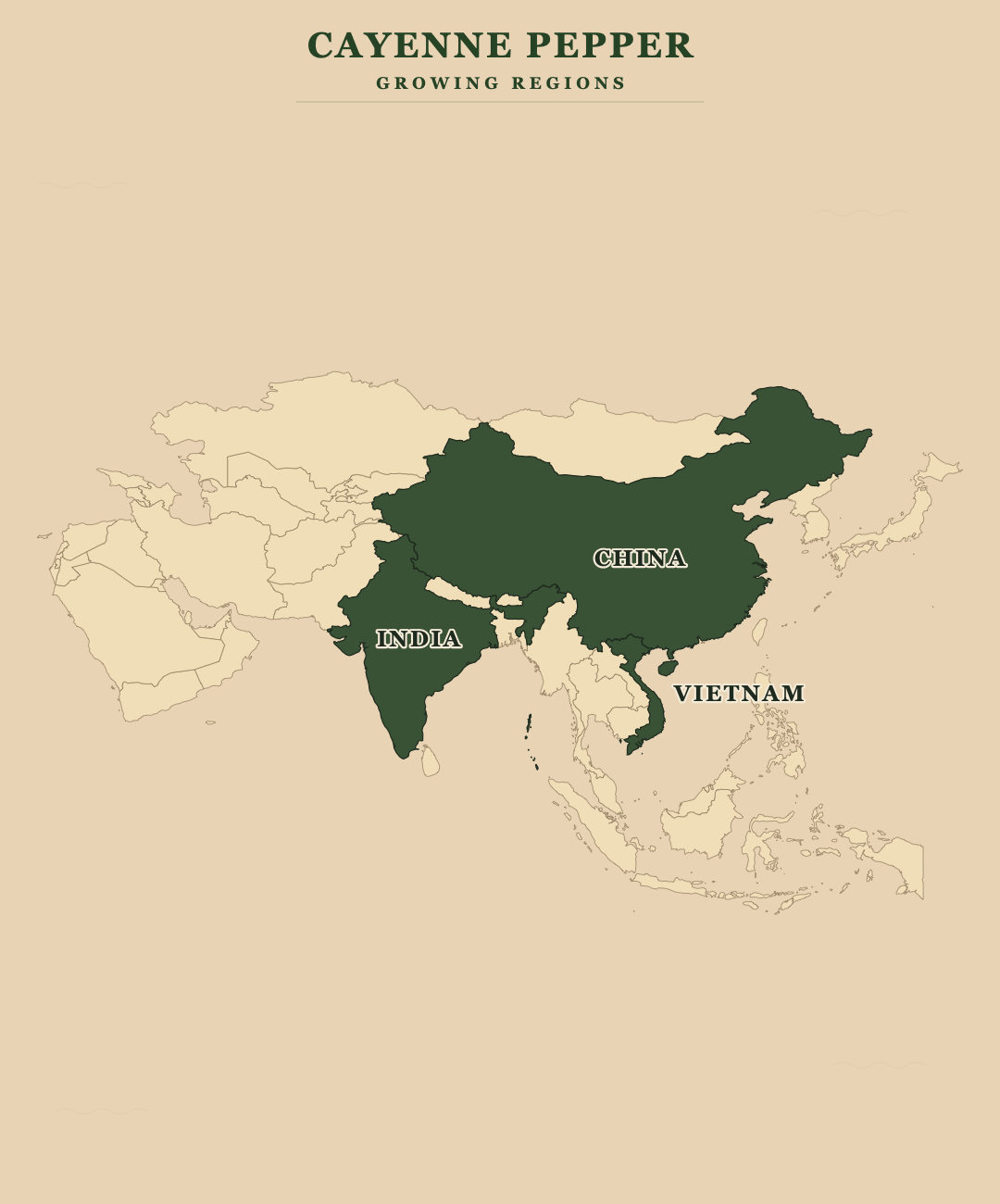
Cayenne Pepper is primarily cultivated in India (largest producer), Mexico, China, Vietnam, with secondary growing regions in USA (Louisiana), Spain, Hungary, Australia.
Spice Story
Cayenne shares the broader Capsicum annuum domestication story — wild chillies were being consumed in Mexico and Central America more than 8,000 years ago, and Columbus brought capsicums back to Spain in 1493, from where they spread along Old World trade routes with extraordinary speed. Cayenne specifically rose to prominence in West African, Caribbean and Louisiana Creole cooking through the slave trade, where it became foundational to entire cuisines. It is one of the most globally widespread chilli cultivars and is now grown almost everywhere in the warm world; India is currently the largest commercial producer by volume. In craft gin, cayenne is a less common but increasingly visible botanical, particularly in Louisiana, Caribbean and contemporary American craft expressions where the goal is direct heat rather than the more complex dried-fruit characters of ancho or chipotle.
Gin Creativity
Cayenne is heat, plain and direct. A full sachet pushes a gin firmly into spicy territory with minimal supporting complexity; a quarter to half sachet adds a gentle warming background that integrates with other botanicals. It works particularly well alongside lime peel and coriander for a Caribbean profile, or with cacao nibs and cinnamon for a Mexican mole-leaning blend. Avoid combining with very subtle florals — cayenne's heat dominates them.
Blending Science
Main flavour compounds
 Capsaicin—
 Dihydrocapsaicin—
 Beta-Carotene—
Pairs well with
Cayenne is the cleanest expression of capsaicin chemistry available among the common dried chillies. Capsaicin is the dominant alkaloid responsible for the heat, present at much higher concentrations than in ancho or chipotle — typical cayenne registers 25,000–50,000 Scoville Heat Units, several times hotter than a jalapeño. [source] Dihydrocapsaicin is a closely related, slightly less pungent compound that contributes the slow-building heat on the back of the throat. Beta-carotene is the carotenoid pigment responsible for the deep red colour. Capsaicin is fat- and alcohol-soluble, heat-stable, and extracts readily into spirit; it builds up quickly across a long infusion, so cayenne is one of the few botanicals where less time can be more useful.
Food Partners
- Louisiana Creole cooking: Gumbo, jambalaya, étouffée — cayenne is foundational.
- Spicy Caribbean stews: Cayenne-gin reduction over slow-braised goat or oxtail.
- Hot wing sauces: Buffalo-style sauces are essentially cayenne and butter.
- Chocolate-chilli desserts: Cayenne in dark chocolate ganache.
- Pickled vegetables: Cayenne in the pickling liquid for cauliflower, carrot, green tomato.
Cocktails To Try

- Hot Bloody Mary: Cayenne-gin instead of vodka — direct heat across tomato.
- Mango Cayenne Margarita: Cayenne-gin, mango, lime, agave.
- Fire Negroni: Cayenne-gin in a classic Negroni — heat behind the bitter.
Release The Flavour
- Cool to medium extraction: Cayenne extracts heat quickly; long warm extractions build harsh bitterness.
- Brief contact: 30 minutes to 4 hours is often enough.
- Strain carefully: Pepper particles continue to extract heat over time if left in the bottle.
- Less is more: Heat builds across a blend; better to start light and adjust than to over-infuse.
Discover more
From the same region
Pairs well with
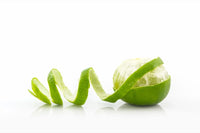
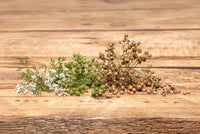
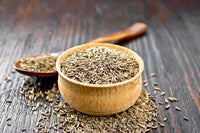
Same flavour family
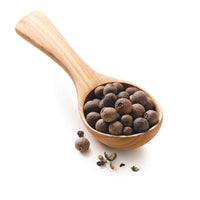
Surprise me

Sources & Citations
- scientific_name and family:en.wikipedia.org/wiki/Cayenne_pepper
- name_origin (Cayenne city, French Guiana; possibly from Tupi kyynha):grokipedia.com/page/Cayenne_pepper
- heat_level (25,000-50,000 Scoville Heat Units):grokipedia.com/page/Cayenne_pepper
- cultivation_history (7000 years indigenous use; Columbus 1493):grokipedia.com/page/Cayenne_pepper
- main_flavour_compounds (CSV-sourced):inputs/source.csv — Cayenne Pepper row
