
MANDARIN

- Botanical name
- Citrus reticulata
- Also known as
- Mandarin orange, Tangerine, Satsuma (var.)
- Main flavour compound
- Limonene
- Part used
- Dried peel
- Method of cultivation
- Small evergreen tree of the Rutaceae family, native to South-East Asia with archaeological evidence of cultivation in China dating back 3,000 years. The name "mandarin" derives from the historical Mandarin administrators of China who favoured the fruit. Portuguese traders introduced it to Europe in the 17th century. The tree is one of the "original" citrus species — through hybridisation with pomelo and citron it has parented many of the modern citrus fruits including the sweet orange.
- Commercial preparation
- Fruit is hand-picked when fully coloured (mandarin is exceptionally easy to peel; the loose skin gave it the name "kid-glove orange"), the peel removed and dried at low temperature. Major producers: China (largest), Japan, Spain, Brazil, USA, Morocco.
- Non-culinary uses
- Perfumery (mandarin oil is a foundational sweet-citrus note); Chinese New Year cultural symbol (the Mandarin character for mandarin is identical to "luck"); essential oil for cosmetics and aromatherapy.
Mandarin — Citrus reticulata — is a small evergreen tree of the Rutaceae family, native to South-East Asia with documented cultivation in China going back at least 3,000 years. [source] The tree grows 3–6 metres tall, with dark glossy leaves, fragrant white flowers, and the familiar bright orange fruit. The defining feature is the loose, easy-peeling skin — which is what earned the fruit the nickname "kid-glove orange" in 19th-century English. Mandarin is one of the foundational "original" citrus species: through hybridisation with pomelo (Citrus maxima) and citron (Citrus medica), mandarin has parented most of the common citrus fruits, including sweet orange.
Dried peel chips
The standard form — adds clean sweet citrus.
Powdered
Faster extraction; loses character within months.
Region of cultivation
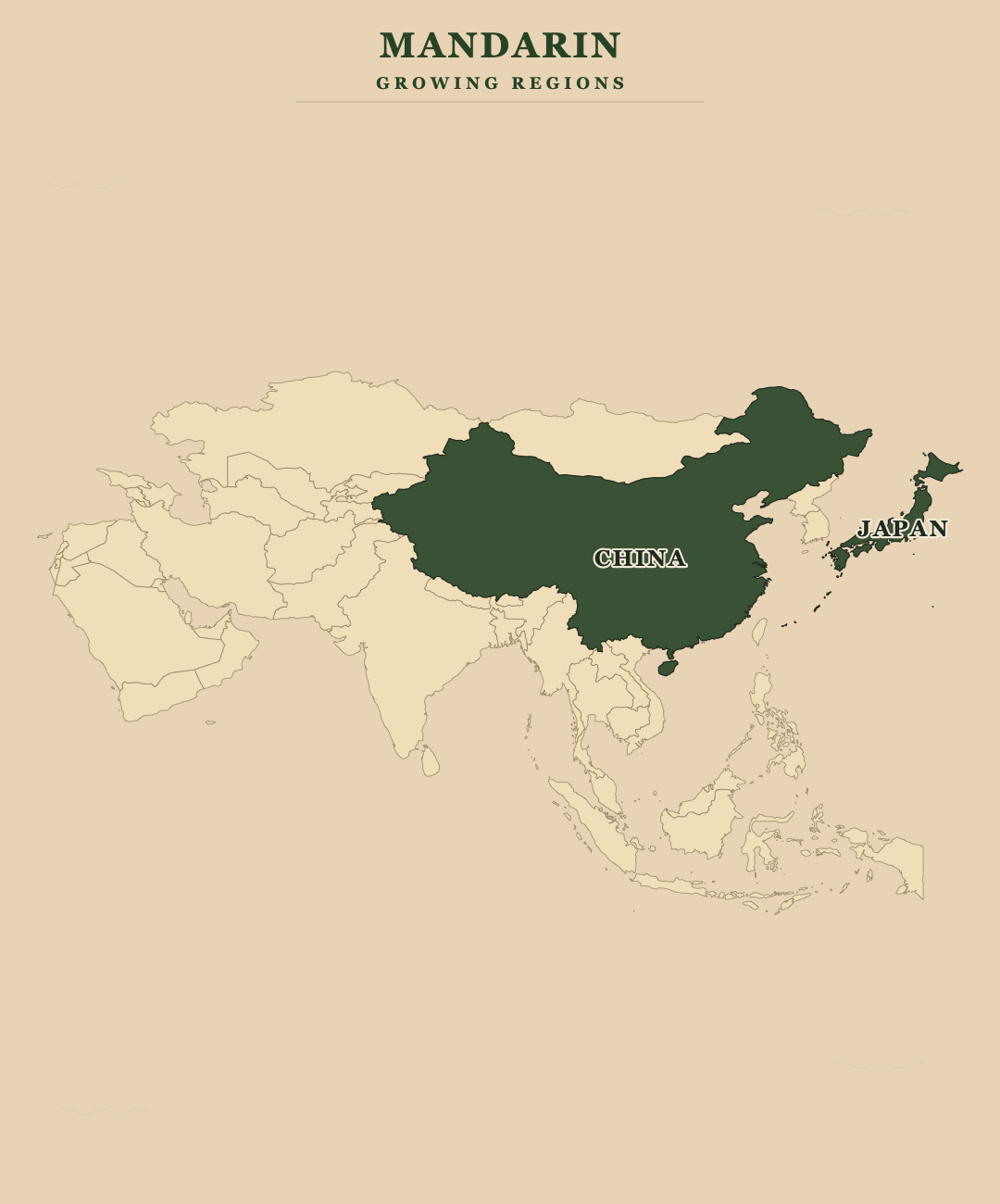
Mandarin is primarily cultivated in China (largest producer), Japan, Spain, with secondary growing regions in Brazil, USA, Morocco, Italy, Australia.
Spice Story
The name "mandarin" derives from the Mandarin administrators of imperial China, who reputedly favoured the fruit — Portuguese traders carried mandarins to Europe in the 1600s and the name travelled with the fruit. [source] In Chinese culture, mandarin oranges have deep symbolic significance: they are exchanged at Chinese New Year as a symbol of luck (the character for mandarin orange is identical to the character for "fortune"). Modern major producers are China (overwhelmingly the largest), Japan (which developed the famous Satsuma cultivar), Spain (the Mediterranean centre) and Brazil. In gin, mandarin peel provides a sweeter, more aromatic citrus alternative to common orange — particularly suited to Christmas-spice and contemporary aromatic profiles.
Gin Creativity
Mandarin brings sweeter, more aromatic citrus than orange. A full sachet pushes a gin into clearly sweet-citrus territory; a half-sachet provides bright sweet brightness that integrates with juniper. Pair with cinnamon and star anise for a Christmas-spice profile, or with cardamom and juniper for a contemporary aromatic blend.
Blending Science
Main flavour compounds
 Limoneneclean citrus lift
 Methyl methylanthranilate—
 Gamma-Terpinenefresh pine, top note
 Citrallemon-bright
Pairs well with
Limonene dominates as in all citrus. Methyl methylanthranilate is the distinctive compound — present in significant concentration in mandarin (and almost absent in common orange) — and it provides the sweet, slightly grape-like aromatic note that distinguishes mandarin from sweet orange. Gamma-terpinene layers a herbaceous depth. Citral adds a lemon-bright top note. Cool extraction preserves the bright top.
Food Partners
- Christmas baking — mandarin-spice cake, mandarin-glazed fruitcake.
- Chinese New Year confections — sugared mandarin peel.
- Roast duck — mandarin glaze, canard à l'orange with mandarin instead of common orange.
- Stone-fruit jams — apricot-and-mandarin marmalade.
- Soft fresh cheese — ricotta with mandarin honey.
Cocktails To Try

- Mandarin Spritz — mandarin gin, prosecco, soda, fresh peel.
- Christmas Negroni — mandarin gin, Campari, sweet vermouth.
- Mandarin Sour — mandarin gin, lemon, sugar, egg white.
Release The Flavour
- Cool extraction — preserves the bright sweet top.
- Peel only — avoid pith.
- Brief contact — 2–6 hours captures sweetness.
- Source matters — Spanish, Italian and Sicilian mandarin peels are premium grades.
Discover more
From the same region
Pairs well with
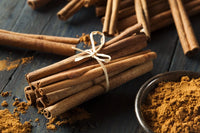
Same flavour family
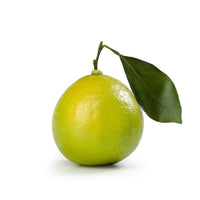
Surprise me

Sources & Citations
- scientific_name (Citrus reticulata, Rutaceae):www.britannica.com/plant/tangerine-fruit
- 3000_year_chinese_cultivation:fruitspedia.com/fruits/mandarin
- mandarin_administrator_name_origin:fruitspedia.com/fruits/mandarin
- portuguese_european_introduction_17th_century:fruitspedia.com/fruits/mandarin
- one_of_the_original_citrus_parent_species:www.gardenia.net/plant/citrus-reticulata-mandarin-orange
- main_flavour_compounds (CSV-sourced):inputs/source.csv — Mandarin row
