
CAPSICUM/BELL PEPPER (RED)

- Botanical name
- Capsicum annuum (Grossum Group)
- Also known as
- Red pepper, Sweet red pepper, Red capsicum, Paprika pepper (in some contexts)
- Main flavour compound
- Capsanthin
- Part used
- Dried ripe fruit (flesh, seeds and pith removed)
- Method of cultivation
- Cultivated annual of the Solanaceae family, native to Mexico, Central America and northern South America. Red bell peppers are simply green bell peppers left on the plant to ripen fully — they spend about three extra weeks on the vine, during which time chlorophyll degrades, carotenoid pigments accumulate, and sugars increase substantially. The same plant produces both colours; ripeness is the only difference.
- Commercial preparation
- Fully ripened red fruits are picked, cored, seeded, and either dehydrated or freeze-dried. Some commercial product is also oven-roasted before drying to develop deeper sweet-caramelised notes — this is the same processing logic that turns dried red peppers into paprika. The dried flakes range from deep brick-red to almost garnet depending on cultivar and processing.
- Non-culinary uses
- Capsanthin pigment is used as a natural food colourant; seeds are sometimes used in traditional skincare; the oleoresin extract is used in fragrance and pharmaceutical formulations.
Red bell pepper is the fully-ripened form of the same Capsicum annuum plant that produces green bell pepper — given another three weeks on the vine to develop. During this ripening period, chlorophyll degrades and orange-to-red carotenoid pigments (especially capsanthin) accumulate; sugars build through ongoing photosynthesis; and the harsh green-vegetal pyrazine compound decreases as fruity and sweet-roasted volatiles rise in their place. The result is a fruit that looks, smells and tastes almost nothing like its green sibling — sweeter, deeper, less aggressive on the nose, with a complexity that has more in common with ripe tomato or stone fruit than with the green pepper character.
Dried flakes (sun- or air-dried)
The brightest, fruitiest version — closest to the fresh red pepper character.
Roasted and dried
Deeper, more caramelised character — closer to paprika.
Region of cultivation
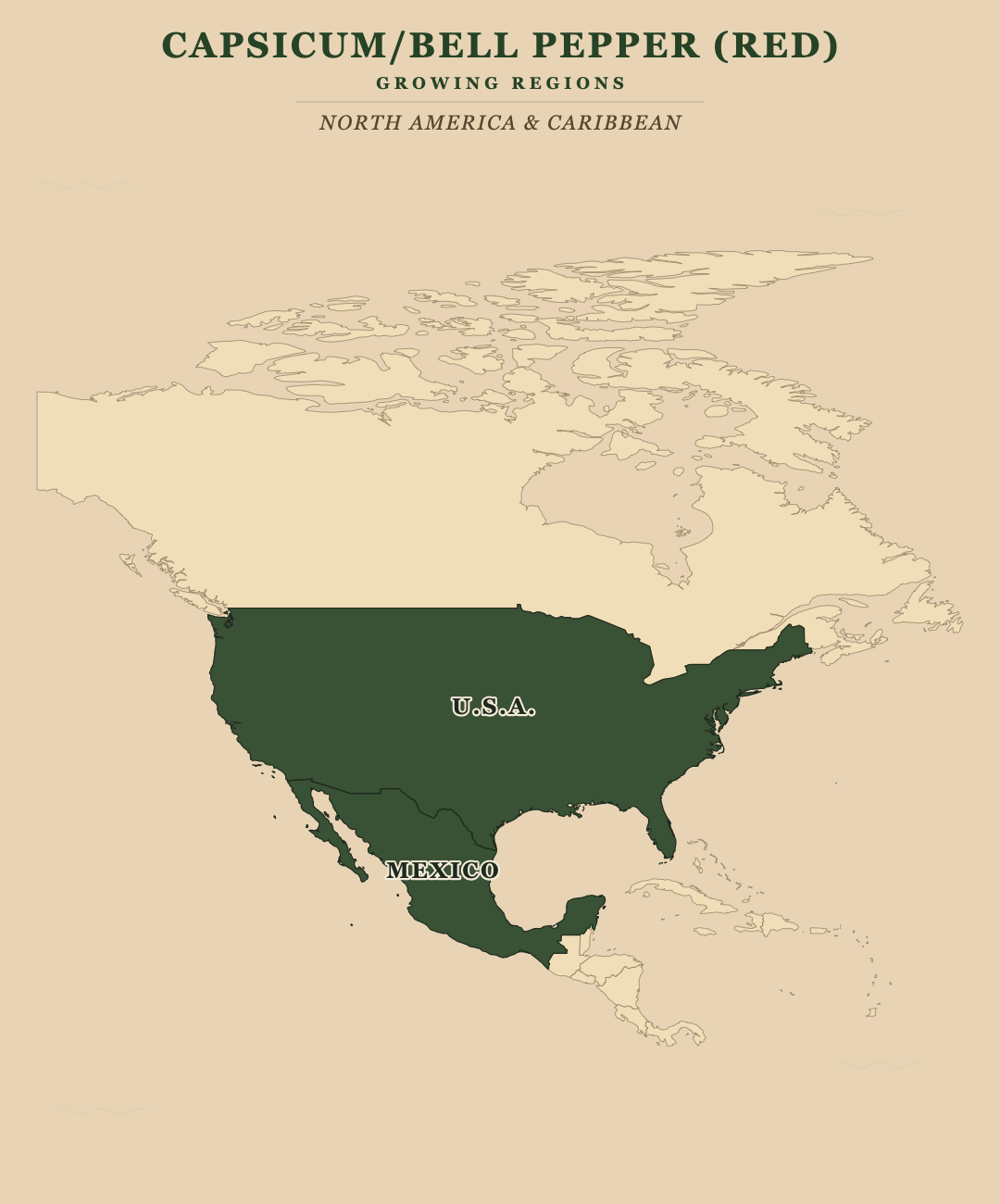
Capsicum/Bell Pepper (Red) is primarily cultivated in China (largest producer), Mexico, Turkey, USA, with secondary growing regions in Spain, Netherlands, Australia.
Spice Story
The story up to harvest is identical to green bell pepper — a Capsicum annuum lineage domesticated in Mesoamerica more than 8,000 years ago, brought to Europe by Columbus in 1493, radiated globally within a generation, and selectively bred to suppress capsaicin. [source] What sets red apart begins on the vine. As the unripe green fruit ripens, the dominant pyrazine compound that gives green bell its assertive character decreases significantly, while sugars, carotenoid pigments and a variety of fruity volatile esters increase. By the time the fruit is fully red, the chemistry has shifted toward something far more like ripe tomato than like a fresh green pepper. In the kitchen, red bell pepper is the foundational ingredient in Spanish romesco, Catalan stews, the Levantine dip muhammara, Balkan ajvar, and the roasted-pepper traditions of southern Italy. In contemporary craft gin, red bell pepper has emerged as a way to push a botanical bill into a savoury-sweet roasted-vegetable register — closer in spirit to a Bloody Mary than a classic London Dry.
Gin Creativity
Red bell pepper brings sweetness, body and a gentle smoky-fruity depth — the savoury Mediterranean equivalent of stone-fruit character. A full sachet pushes a gin into clearly roasted-pepper territory, suitable for Bloody-Mary-style cocktails and savoury food pairings; a half-sachet adds quiet sweetness and a faint smokiness that integrates into more traditional botanical bills. It pairs particularly well with smoked paprika and cumin for a Spanish-style profile, or with tomato leaf and basil for a garden-summer gin. Avoid combining with very heavy spices — the sweet-fruity character is easily buried.
Blending Science
Main flavour compounds
 Capsanthin—
 Beta-Carotene—
 Furanones (sweet-roasted notes)caramel, sweet
 2-Methoxy-3-isobutylpyrazine (lower than green)roasted, nutty
Pairs well with
Red bell pepper's chemistry differs from green pepper in three important ways. Capsanthin is the dominant pigment, giving the fruit its deep brick-red colour; it's not aromatic itself but contributes the visual character of any red-pepper infusion. Beta-carotene layers additional orange-red pigment underneath. Furanones — sugar-derived caramelisation-style aromatics — develop during ripening and (especially) during any roasting step, contributing the sweet-roasted character that defines well-ripened red pepper. 2-Methoxy-3-isobutylpyrazine (the dominant aromatic in green pepper) is still present but at much lower concentrations. [source] Cool extraction preserves the fruity esters; warm extraction develops the roasted-caramelised character.
Food Partners
- Roasted-pepper dips (muhammara, ajvar): The defining use — red-pepper gin in the dip.
- Slow-roasted lamb: Mediterranean tradition — peppers, garlic, olive oil, lamb.
- Smoky bean stews: Spanish fabada, Hungarian gulyás — red-pepper aromatic background.
- Spanish romesco sauce: Almond, red pepper, garlic, vinegar — red-pepper gin in the marinade.
- Mediterranean fish stews: Bouillabaisse and similar — red pepper as supporting layer.
Cocktails To Try

- Roasted Pepper Bloody Mary: Red-pepper gin, smoked-paprika tomato juice, fresh oregano garnish.
- Mediterranean Negroni: Red-pepper-infused gin, Campari, an orange-rich vermouth.
- Romesco Sour: Red-pepper gin, almond syrup, lemon, sherry vinegar.
Release The Flavour
- Cool to medium extraction: Cool preserves fruity esters; gentle warmth develops the sweet-roasted character.
- Roast before extracting: Quick oven-roasting of dried flakes deepens the caramelised flavour significantly.
- Time: 2–24 hours typically; longer extractions emphasise sweetness.
- Filter carefully: Red pigments leach colour gradually; cool storage and fine filtration preserve clarity.
Discover more
From the same region
Pairs well with
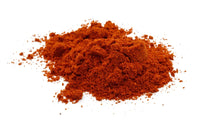
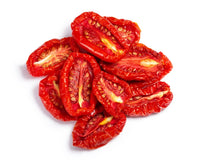
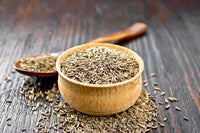
Same flavour family
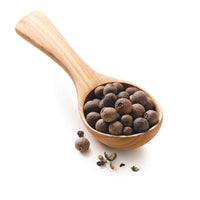
Surprise me

Sources & Citations
- scientific_name and family:en.wikipedia.org/wiki/Bell_pepper
- red_vs_green (full ripeness vs unripe; same plant):en.wikipedia.org/wiki/Bell_pepper
- capsanthin_pigment_development:en.wikipedia.org/wiki/Bell_pepper
- native_origin:en.wikipedia.org/wiki/Capsicum_annuum
- pyrazine_decreases_with_ripening:myfoodjobrocks.com/flavor-investigator-bell-peppers/
- main_flavour_compounds (CSV-sourced):inputs/source.csv — Capsicum/Bell Pepper (Red) row
