
PAPRIKA (SMOKED)

- Botanical name
- Capsicum annuum
- Also known as
- Pimentón de la Vera, Spanish smoked paprika, Pimentón ahumado
- Main flavour compound
- Capsanthin
- Part used
- Dried, smoke-cured, ground red pepper
- Method of cultivation
- Cultivated *Capsicum annuum* of the Solanaceae family, native to the Americas (originally Mexico and Central America) but extensively cultivated in Spain and Hungary since the 16th century when peppers arrived in Europe. Smoked paprika specifically is associated with the **La Vera region** in Extremadura, Spain, where the traditional smoking technique was developed in the 16th century by monks at the Yuste Monastery.
- Commercial preparation
- Red ripe peppers (typically Bola or Jaranda cultivars) are picked, smoked over oak wood fires for around two weeks, then ground into a fine deep-red powder. Three classifications by heat: *dulce* (sweet), *agridulce* (semi-sweet) and *picante* (spicy). Pimentón de la Vera has Protected Designation of Origin status.
- Non-culinary uses
- Foundational to Spanish cooking — paella, chorizo, sofrito, octopus *a la gallega*; cosmetics (red pigment); natural food colourant.
Smoked Paprika — pimentón de la Vera — is dried, smoke-cured, ground Capsicum annuum, traditionally from the La Vera region of Extremadura in western Spain. The peppers themselves are Bola or Jaranda cultivars of the same species that produces poblano, jalapeño and bell pepper — but smoked paprika is distinguished by the slow oak-smoking process that develops the characteristic deep-red colour and the smoky depth of flavour. The traditional smoking technique was developed in the 16th century by monks at the Yuste Monastery in La Vera. [source]
Fine smoked powder
The standard form — disperses quickly in cool maceration.
Flakes
Less common; coarse texture.
Region of cultivation
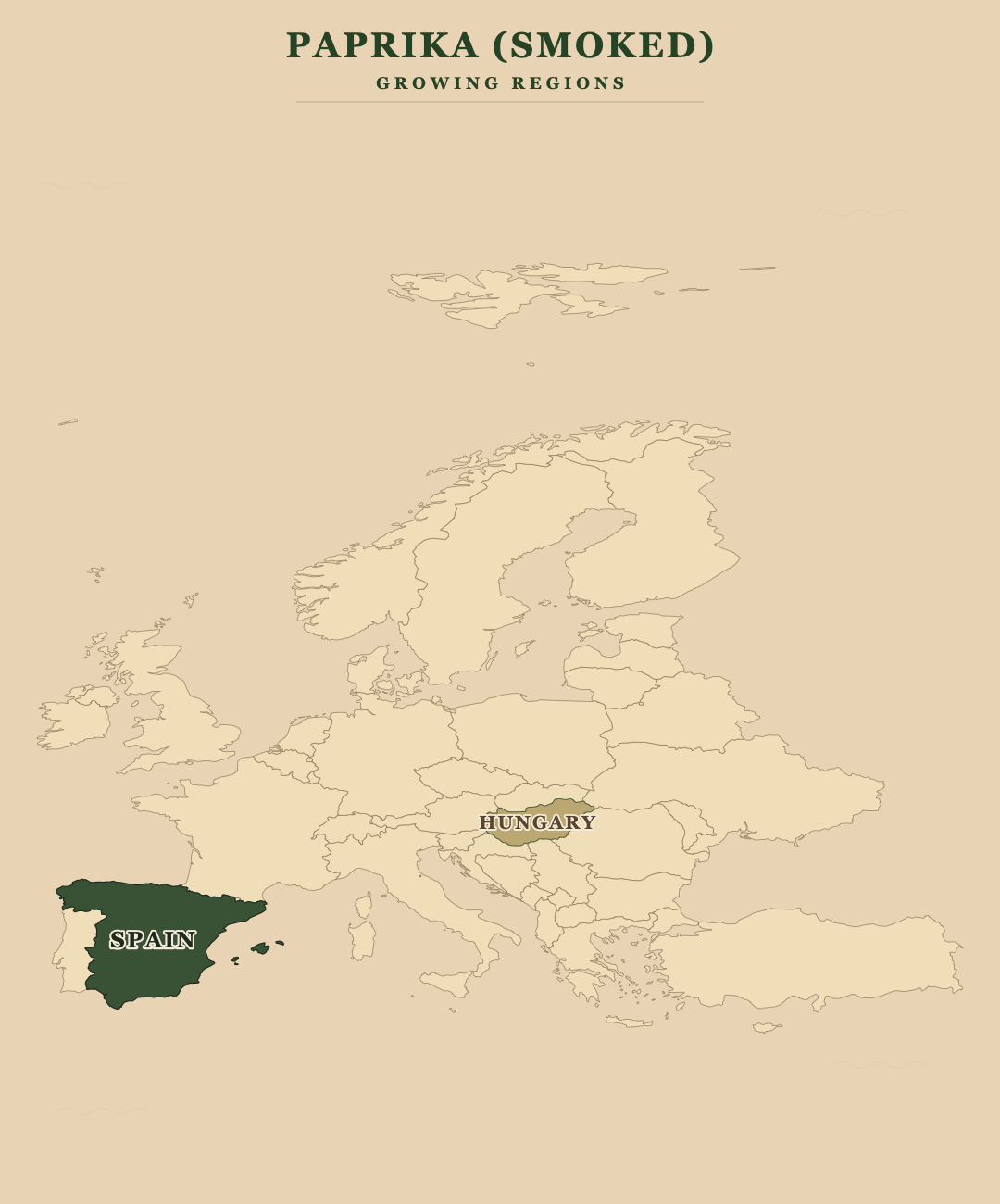
Paprika (smoked) is primarily cultivated in Spain (La Vera, Extremadura), with secondary growing regions in Hungary (smoked variety less traditional), Peru, Bolivia, China.
Spice Story
Spanish smoked paprika has a distinct history from Hungarian paprika. While Hungarian paprika uses sun-dried (or sometimes lightly toasted) peppers, Spanish pimentón de la Vera uses traditional oak-wood smoking over about two weeks — producing a paprika with deep smoky character. The PDO designation Pimentón de la Vera protects this traditional process, and the spice is foundational to Spanish cooking: paella, chorizo, sofrito, pulpo a la gallega (Galician octopus), and patatas bravas all depend on smoked paprika. In gin, smoked paprika is an unusual contemporary botanical, providing smoky-sweet depth and brilliant red colour when used in maceration.
Gin Creativity
Smoked Paprika brings smoky-sweet pepper character with a brilliant red-orange visual signal. A full sachet pushes a gin firmly into Spanish savoury territory; a half-sachet provides quiet smoky depth that integrates with juniper. Pair with cumin and orange peel for a Spanish profile, or with cacao nibs and chipotle for a layered smoky-fruit blend.
Blending Science
Main flavour compounds
 Capsanthin—
 Capsorubin—
 Guaiacol (smoke phenolic)—
 Volatile aldehydes—
Pairs well with
Capsanthin and capsorubin are the dominant carotenoid pigments responsible for the deep red colour. Guaiacol (smoke-derived phenolic, the same compound that defines smoked whisky and lapsang souchong) provides the characteristic smoky aromatic. Volatile aldehydes develop during the long oak smoking and contribute additional depth. Cool extraction preserves the bright red colour and the smoky top note; warm extraction develops a deeper, more cooked-pepper character.
Food Partners
- Paella and Spanish rice dishes — smoked paprika is essential.
- Chorizo and cured Spanish meats — paprika is the defining colour-and-flavour.
- **Octopus *pulpo a la gallega*** — paprika dusting is the Galician finish.
- Smoky bean stews — Spanish fabada.
- Roast root vegetables — paprika-gin glaze.
Cocktails To Try

- Spanish Bloody Mary — smoked paprika gin, tomato, lemon, olive garnish.
- Smoky Negroni — smoked paprika gin, Campari, vermouth.
- Sangrita-inspired Sour — smoked paprika gin, tomato, lime, hot sauce.
Release The Flavour
- Cool extraction — preserves colour and smoke aromatic.
- Brief contact — 1–4 hours; longer extractions can muddy.
- Source matters — PDO Pimentón de la Vera is significantly different from generic smoked paprika.
- Filter carefully — fine powder requires cold filtration.
Discover more
From the same region
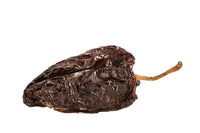
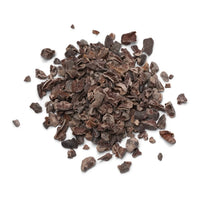
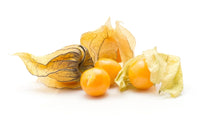
Pairs well with
Same flavour family
Surprise me

Sources & Citations
- scientific_name (Capsicum annuum):www.discoverspain.today/pimenton-spanish-smoked-paprika/
- la_vera_extremadura_origin:www.discoverspain.today/pimenton-spanish-smoked-paprika/
- oak_wood_smoking_traditional_process:spanishsabores.com/a-short-history-of-spanish-paprika/
- three_heat_classifications (dulce, agridulce, picante):www.seasonedpioneers.com/spices-seasonings/mediterranean/...
- yuste_monastery_16th_century_origin:spanishsabores.com/a-short-history-of-spanish-paprika/
- main_flavour_compounds (CSV-sourced):inputs/source.csv — Paprika (smoked) row
