
GALANGAL

- Botanical name
- Alpinia galanga
- Also known as
- Greater galangal, Thai ginger, Lengkuas (Indonesian), Kha (Thai)
- Main flavour compound
- 1,8-Cineole
- Part used
- Dried rhizome (sliced or chipped)
- Method of cultivation
- Perennial plant of the Zingiberaceae family (the ginger family), native to Indonesia and cultivated widely across South-East Asia (especially Thailand, Vietnam, Malaysia, India and southern China). The plant grows from a horizontal rhizome to about 1.5–2 metres tall, with long lance-shaped leaves. The rhizome — what we use — is thick, knobby, aromatic, with reddish-brown skin and pale firm interior.
- Commercial preparation
- Rhizomes are dug at maturity, washed, sliced, and either sold fresh, dried in the sun until brittle, or ground. For distilling, dried sliced rhizome is the standard form. Thailand and Indonesia dominate global production.
- Non-culinary uses
- Foundational role in South-East Asian cuisine (especially Thai *tom kha kai*); traditional Unani medicine; used to flavour traditional bitters and liqueurs across Europe and South-East Asia.
Galangal — Alpinia galanga — is a tall perennial of the ginger family, native to Indonesia and cultivated widely across South-East Asia. The plant grows from a horizontal underground rhizome to about 1.5–2 metres tall, with long lance-shaped leaves and small white flowers. The rhizome — the working part — is thicker, more knobby, and lighter in colour than common ginger, with a more aromatic and pungent character. The flavour is sometimes described as ginger with notes of pine, citrus and pepper. [source]
Dried sliced rhizome
The standard form for distilling — slow extraction.
Powdered
Faster but loses character within months.
Region of cultivation
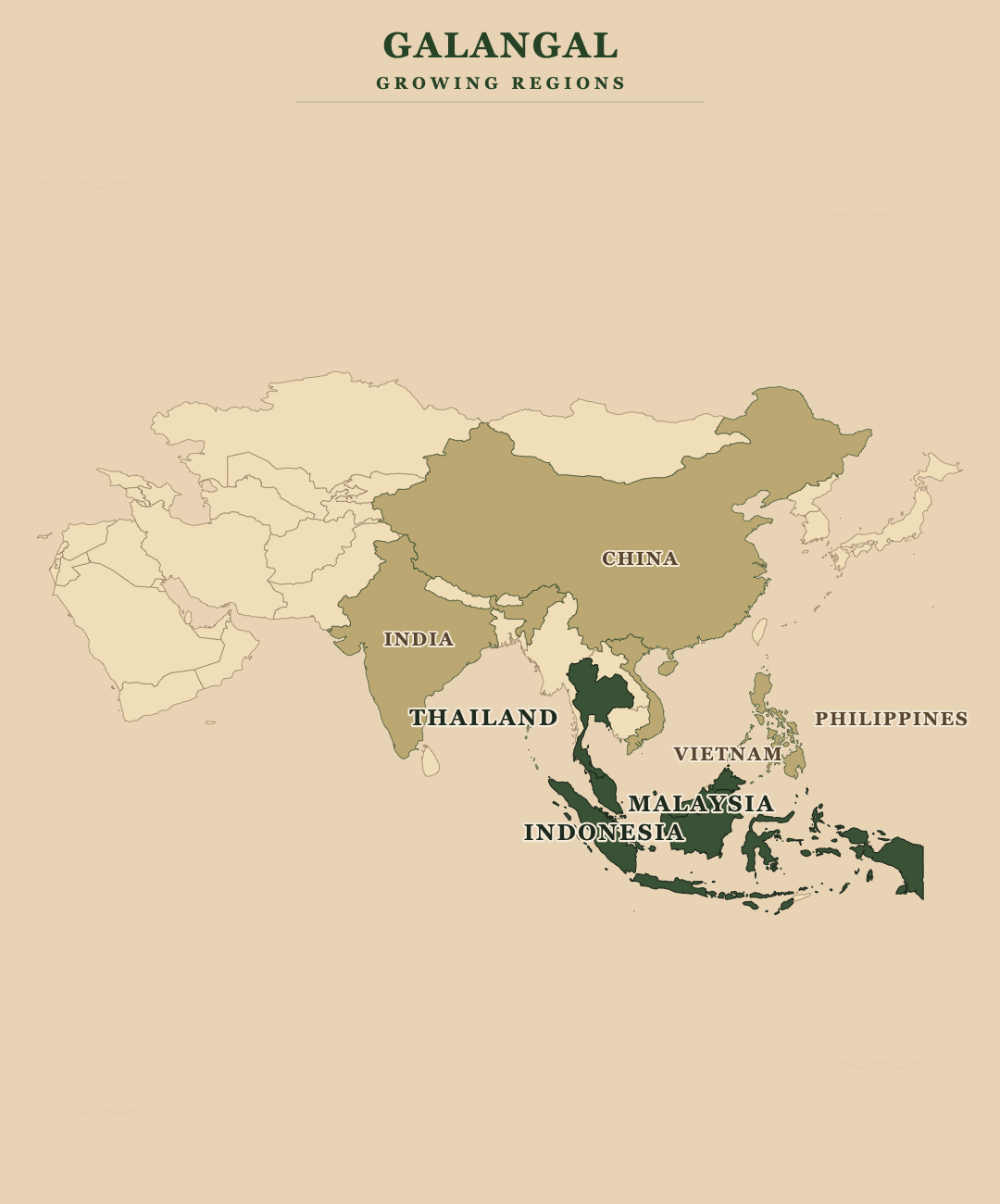
Galangal is primarily cultivated in Indonesia, Thailand, Malaysia, with secondary growing regions in Vietnam, India, China, Philippines.
Spice Story
Galangal is foundational to the cuisines of Thailand, Malaysia, Indonesia and parts of Vietnam — defining dishes like tom kha kai (Thai coconut-galangal soup) and many Malay and Indonesian curry pastes. It travelled north to China and west to India along the Asian spice routes, and reached medieval Europe via Arab traders, where it became a fashionable spice in 12th-14th-century cookery before fading into relative obscurity as cheaper Asian imports of common ginger took over the European market. Galangal has retained a strong role in Asian bitters and liqueurs, and is enjoying a contemporary craft-gin revival in distilleries seeking South-East Asian character.
Gin Creativity
Galangal brings ginger-like warmth with pine-citrus-pepper complexity. A full sachet pushes a gin firmly into South-East Asian territory; a half-sachet provides quiet warm-spice depth that integrates with juniper. Pair with lemongrass and kaffir lime leaf for a Thai-style profile, or with cardamom and pink peppercorn for a more spice-route blend.
Blending Science
Main flavour compounds
 1,8-Cineoleeucalyptus, cool
 Alpha-Pinenefresh pine, top note
 Methyl Cinnamate—
 Galangol—
Pairs well with
1,8-Cineole provides the cool eucalypt-like edge that distinguishes galangal from common ginger. Alpha-pinene layers a resinous backbone that bridges to juniper. Methyl cinnamate contributes a sweet-floral note unusual in the ginger family. Galangol (and related compounds) provide the warming pungency. Heat-stable; vapour and maceration both work.
Food Partners
- Thai tom kha kai — coconut, galangal, lemongrass, chicken; the defining dish.
- South-East Asian curry pastes — galangal is essential to many Thai and Malay curry pastes.
- Malaysian and Indonesian satay — galangal in the marinade.
- Pickled vegetables — galangal-and-chilli pickles.
- Citrus-spiced fish dishes — galangal-and-lime steamed white fish.
Cocktails To Try

- Thai Mule — galangal-and-lemongrass gin, lime, ginger beer.
- Tom Kha Sour — galangal-gin, coconut, lime, lemongrass syrup, egg white.
- South-East Asian G&T — galangal-gin, kaffir-lime-leaf garnish, light tonic.
Release The Flavour
- Slow extraction — 24–48 hours for full development.
- Slice thin — increases surface area for slow-extracting rhizome.
- Heat-friendly — both vapour and maceration work.
- Pair with citrus — galangal integrates exceptionally well with lemongrass and lime.
Discover more
From the same region

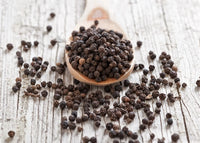
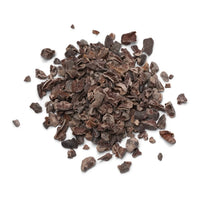
Pairs well with
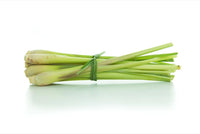
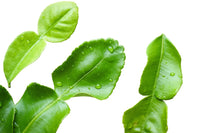
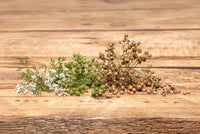
Same flavour family
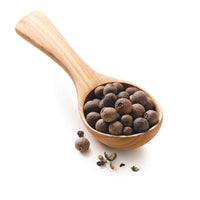
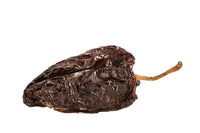
Surprise me

Sources & Citations
- scientific_name (Alpinia galanga, Zingiberaceae):en.wikipedia.org/wiki/Alpinia_galanga
- native_range (Indonesia primarily; cultivated SE Asia):www.britannica.com/plant/galangal
- flavour_profile (ginger-like with pine, citrus, pepper notes):www.britannica.com/plant/galangal
- use_in_bitters_and_liqueurs:en.wikipedia.org/wiki/Alpinia_galanga
- main_flavour_compounds (CSV-sourced):inputs/source.csv — Galangal row