
KAFFIR LIME LEAF

- Botanical name
- Citrus hystrix
- Also known as
- Makrut lime (the preferred modern name), Jeruk purut (Indonesian), Bai magrood (Thai)
- Main flavour compound
- Citronellal (up to 80%)
- Part used
- Dried leaf (the distinctive "double" leaf — actually a leaf-blade plus a leaf-like flattened stalk)
- Method of cultivation
- Thorny shrub or small tree of the Rutaceae family (the true citrus family), native to Southeast Asia — Indonesia, Malaysia, Thailand, Cambodia, Vietnam. The plant grows up to about 7 metres in tropical conditions but is usually kept smaller. The unique double-leaf structure makes the plant immediately recognisable; the fruit is bumpy and warty (the *hystrix* name comes from the Greek for "hedgehog").
- Commercial preparation
- Leaves are picked at full maturity, washed, and either freeze-dried or low-temperature dehydrated to preserve the volatile citronellal-heavy oil. Fresh leaves keep about a week refrigerated; dried leaves hold character for 3–6 months airtight.
- Non-culinary uses
- Foundational role in Thai, Cambodian, Malay and Indonesian cooking (especially in curry pastes and sour soups); essential oil for perfumery and insect-repellent products; sustainable insect-repellent applications are an active research area (citronellal is the same compound used in citronella candles).
Kaffir Lime — or, more respectfully, Makrut Lime — is Citrus hystrix, a thorny tropical citrus native to Southeast Asia. The Latin epithet hystrix comes from the Greek for "hedgehog," referring both to the plant's spines and to the deeply-bumpy warty surface of the small green fruit. [source] The botanical signature of the species is the leaf structure: each "leaf" is actually two leaf blades fused end-to-end, with the lower blade being a flattened, leaf-like stalk (petiole), giving the distinctive figure-eight or hourglass shape that makes the plant immediately recognisable.
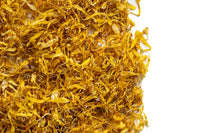
Whole dried leaf
The standard form — tear or crumble to release the citronellal.
Cracked or shredded
Faster extraction; loses character faster.
Region of cultivation
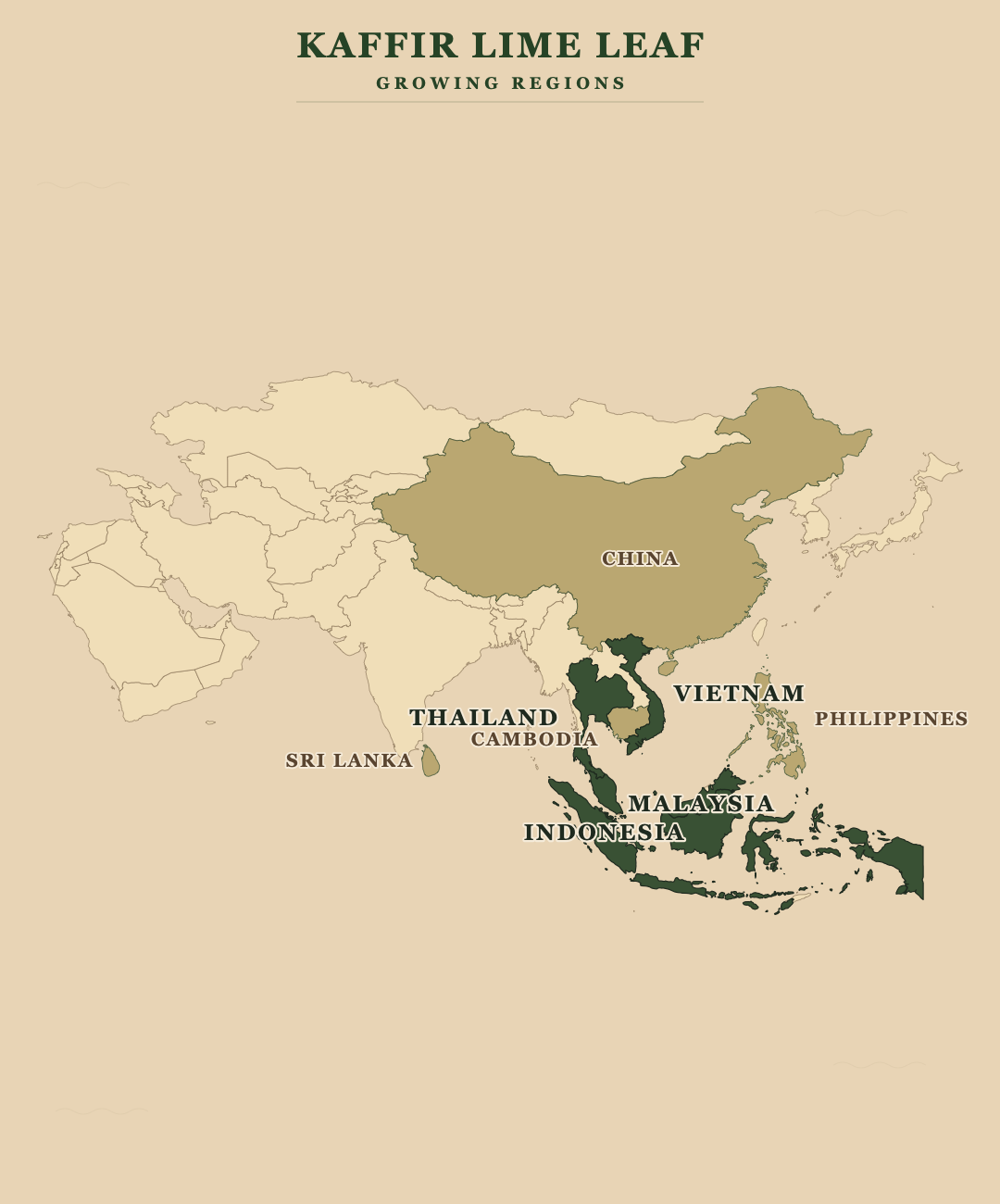
Kaffir Lime Leaf is primarily cultivated in Thailand, Indonesia, Malaysia, Vietnam, with secondary growing regions in Cambodia, Philippines, southern China, Sri Lanka.
Spice Story
Kaffir/Makrut lime is foundational to the cuisines of Thailand, Cambodia, Malaysia, Indonesia and Vietnam. The leaf is the essential aromatic in Thai curry pastes (especially green curry), tom yum soups, Cambodian amok, and the broad family of South-East Asian coconut-and-lime curries. The fruit itself is rarely used — its juice is sharply bitter and unpleasant compared to common lime — but the peel oil is occasionally used in cosmetics. The common English name "kaffir lime" is increasingly seen as offensive (kaffir is a slur in southern African and South Asian contexts), and many modern chefs, producers and food writers now use "makrut" instead, from the Thai bai magrood. [source] In gin, the leaf is one of the most distinctive contemporary South-East Asian botanicals, providing a citrus-citronella character no other ingredient can match.
Gin Creativity
Kaffir/Makrut lime leaf brings bright lime-citronella character with a floral lift. A full sachet pushes a gin firmly into South-East Asian territory; a half-sachet provides quiet aromatic complexity that integrates with juniper. Pair with lemongrass and galangal for a Thai-style profile, or with coriander seed and pink peppercorn for a contemporary fusion blend.
Blending Science
Main flavour compounds
 Citronellal (up to 80%)lemon-rosy
 Citronellollemon-rosy
 Limoneneclean citrus lift
 Linaloolfloral, soft
Pairs well with
Citronellal is the dominant aromatic — typically up to 80% of the leaf oil, one of the highest single-compound concentrations of any leaf spice. [source] Citronellal provides the bright lemon-lime character and is the same compound that defines citronella candles (and that has well-documented insect-repellent properties). Citronellol layers a rose-citrus note. Limonene adds citrus brightness. Linalool contributes a soft floral lift. Cool extraction preserves the bright citronellal; warm extraction develops a deeper softer floral character.
Food Partners
- Thai curry pastes — especially Thai green curry, where kaffir lime leaf is essential.
- Tom yum and tom kha soups — the canonical aromatic in Thai soups.
- Cambodian fish amok — kaffir lime, coconut milk, fish, lemongrass.
- Coconut-based curries — the leaf transforms coconut-cream curry.
- Citrus-spiced fish dishes — Thai grilled fish with kaffir lime.
Cocktails To Try

- Thai G&T — kaffir-lime-leaf gin, light tonic, fresh leaf garnish.
- Tom Kha Sour — kaffir-lime-leaf gin, lemongrass, lime, coconut.
- Asian Gimlet — kaffir-lime-leaf gin, lime cordial, mint.
Release The Flavour
- Cool extraction — preserves the bright citronellal top.
- Tear or crumble — releases the volatile oils.
- Brief contact — 1–4 hours captures the brightness.
- Pair with lemongrass — they share citronellal chemistry and reinforce each other.
Discover more
From the same region

Pairs well with
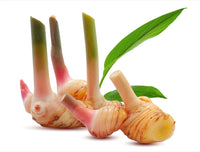
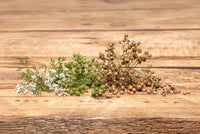
Same flavour family
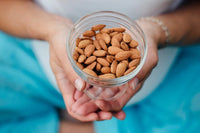
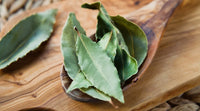
Surprise me

Sources & Citations
- scientific_name (Citrus hystrix, Rutaceae):en.wikipedia.org/wiki/Kaffir_lime
- name_etymology_hystrix_hedgehog:gernot-katzers-spice-pages.com/engl/Citr_hys.html
- native_range (Southeast Asia):americangardener.net/kaffir-lime/
- citronellal_content (up to 80% of leaf oil):gernot-katzers-spice-pages.com/engl/Citr_hys.html
- makrut_terminology_preference:uscitrusnursery.com/blogs/citrus-simplified/makrut-lime-tree
- main_flavour_compounds (CSV-sourced):inputs/source.csv — Kaffir Lime Leaf row
