
NATIVE LEMONGRASS

- Botanical name
- Cymbopogon ambiguus
- Also known as
- Australian lemon-scented grass, Native lemon grass, Lemon Bush Tea
- Main flavour compound
- Citral
- Part used
- Dried leaf (and sometimes stem)
- Method of cultivation
- Perennial grass of the Poaceae family, indigenous to various parts of Australia, particularly arid and semi-arid inland country. Closely related to South-East Asian lemongrass (*Cymbopogon citratus*) but a distinct species with different chemistry — *C. ambiguus* contains higher proportions of eucalypt-edged compounds (1,8-cineole) alongside the more familiar citral. The plant tolerates extreme dryness once established, needs full sun, and propagates from clump division or seed.
- Commercial preparation
- Leaves and stems are cut, gently dried (no fermentation), and either sold whole or cracked. Most production is small-scale and bushfood-driven.
- Non-culinary uses
- Foundational role in many Aboriginal Australian medicinal traditions — leaves and roots are used with hot water as a steam inhalation for colds, chest infections and tightness; infusions used for headaches and muscle cramps; the dried herb is brewed as a bush tea across central and northern Australia.
Native Lemongrass — Cymbopogon ambiguus — is a perennial grass of the Poaceae family, indigenous to Australia, particularly the arid and semi-arid inland country. The plant grows as a tussock of long lemon-scented leaves from a clumping base, reaching about 1 metre tall. It is closely related to the more familiar South-East Asian lemongrass (Cymbopogon citratus) but is a distinct species with a different chemotype — Australian Native Lemongrass produces a higher proportion of eucalypt-edged compounds alongside the more typical lemon-citral. [source]
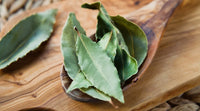
Whole dried leaf
The standard form — crumble lightly to release the citral.
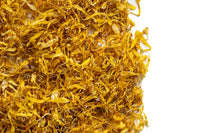
Cracked
Faster extraction.
Region of cultivation
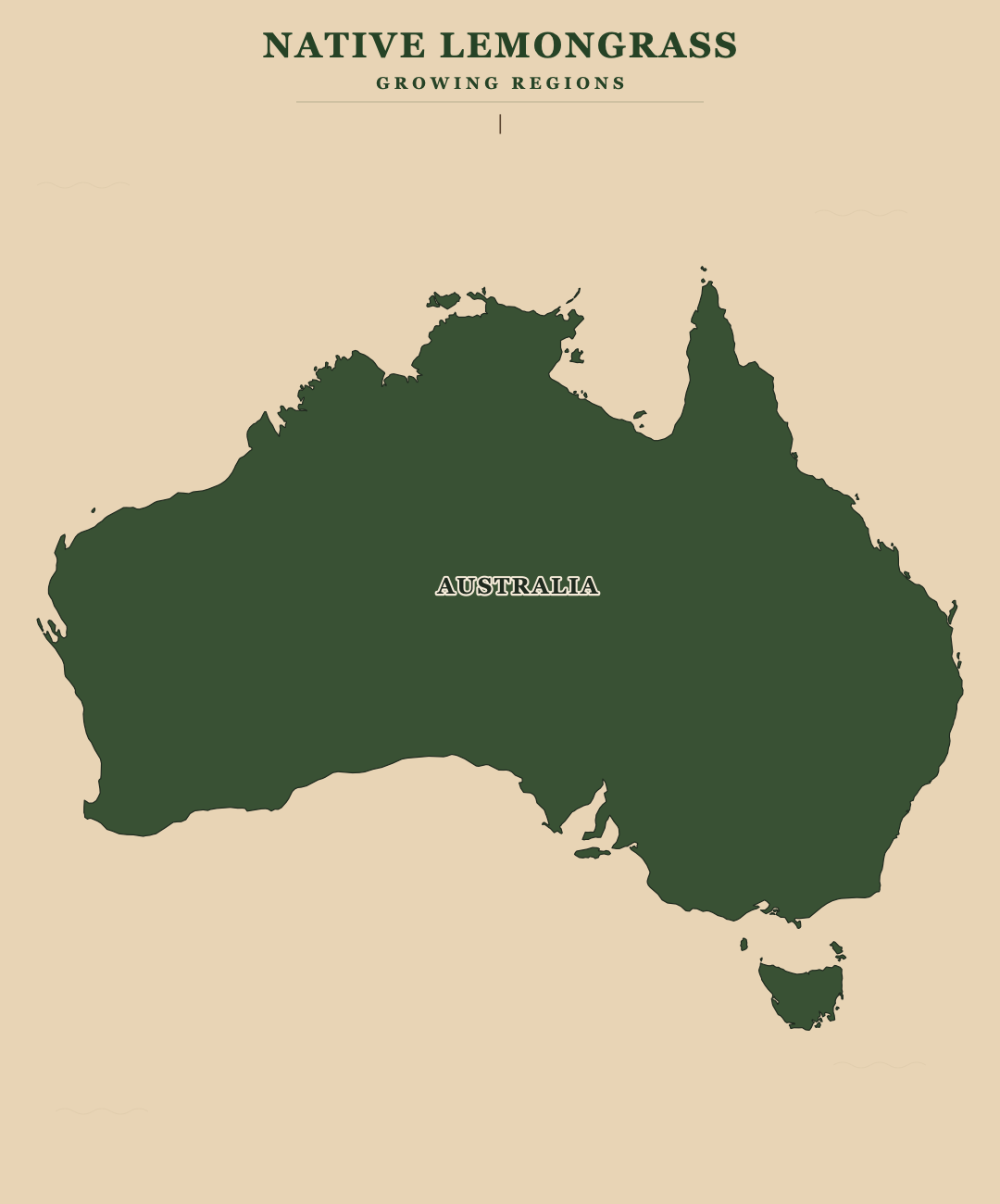
Native Lemongrass is native to Australia, Australia — inland and northern arid/semi-arid country, with secondary growing regions in Wild-harvest across most of Australia's inland; small-scale plantation cultivation. |
Spice Story
Native Lemongrass has been used as a foundational medicinal plant across central and northern Aboriginal Australia for tens of thousands of years. The traditional preparation involves steeping the leaves and roots in hot water for steam inhalation (used for colds, chest infections and the "tightness in the chest" that comes with respiratory illness), and brewing as a tea for headaches and muscle cramps. [source] Modern bushfood use has built on this traditional knowledge, and Native Lemongrass now appears across Australian native cuisine and increasingly in craft gin — where it provides a clearly Australian alternative to imported lemongrass.
Gin Creativity
Native Lemongrass brings bright lemon character with a distinctively eucalypt-edged Australian background. A full sachet pushes a gin into clearly native-herb territory; a half-sachet provides quiet citrus depth that integrates with juniper. Pair with Lemon Myrtle for a doubled citral, or with Anise Myrtle and Pepperberry for a fully native bush-spice profile.
Blending Science
Main flavour compounds
 Citrallemon-bright
 1,8-Cineoleeucalyptus, cool
 Beta-Caryophyllenewarm woody, peppery
 Linaloolfloral, soft
Pairs well with
Citral provides the bright lemon character (shared with Asian lemongrass). 1,8-Cineole is the distinguishing compound — higher in C. ambiguus than in C. citratus, contributing the eucalypt-edged note that makes Native Lemongrass identifiably Australian. Beta-caryophyllene adds a warm woody depth. Linalool contributes a soft floral lift. Cool extraction preserves the bright top; warm extraction develops the deeper body.
Food Partners
- Australian bush tea — Native Lemongrass with native mint and lemon myrtle.
- Native fish marinades — pair with lemon myrtle and finger lime.
- Bush spice rubs — Native Lemongrass with pepperberry and wattle seed.
- Cool summer drinks — Native Lemongrass cordial.
- Light citrus desserts — Native Lemongrass syrup over sorbet.
Cocktails To Try

- Native G&T — Native Lemongrass gin, native tonic, fresh leaf garnish.
- Bush Sour — Native Lemongrass gin, lemon myrtle syrup, lemon, egg white.
- Native Mule — Native Lemongrass gin, lime, ginger beer.
Release The Flavour
- Cool extraction — preserves citral.
- Slice or cut thinly — increases surface area.
- Brief contact — 2–6 hours captures brightness.
- Pair with other native botanicals — Native Lemongrass reinforces a fully Australian gin profile.
Discover more
Pairs well with
Same flavour family

Surprise me

Sources & Citations
- scientific_name (Cymbopogon ambiguus, Poaceae):en.wikipedia.org/wiki/Cymbopogon_ambiguus
- native_range (arid/semi-arid inland Australia):aussiegreenthumb.com/cymbopogon-ambiguus-native-lemongrass/
- traditional_indigenous_medicinal_use:www.mdpi.com/2673-9623/4/2/14
- tea_and_steam_inhalation_traditions:warndu.com/blogs/first-nations-food-guide/warndus-native-...
- main_flavour_compounds (CSV-sourced):inputs/source.csv — Native Lemongrass row
