
MACADAMIA

- Botanical name
- Macadamia integrifolia
- Also known as
- Queensland nut, Australian nut, Bauple nut
- Main flavour compound
- Oleic acid
- Part used
- Roasted dried kernel
- Method of cultivation
- Evergreen tree of the Proteaceae family, endemic to the coastal rainforests of south-east Queensland and northern NSW. The smooth-shelled species *Macadamia integrifolia* is the principal commercial variety, often grown alongside the rough-shelled *M. tetraphylla*. Macadamia is the only Australian native plant developed and traded internationally as a commercial food product. Trees grow 10–15 metres in cultivation, take 7–10 years to come into full production, and remain productive for many decades.
- Commercial preparation
- Nuts fall from the tree when ripe; they are collected from the ground, the husks removed, the hard shells cracked (a major engineering challenge — macadamia shells are exceptionally hard), and the kernels lightly to moderately roasted. Australia and South Africa are the largest world producers; Hawaii is also significant.
- Non-culinary uses
- Cosmetics (macadamia oil is widely used in skincare); the timber is occasionally used for fine woodwork; the trees themselves are ornamental in subtropical landscape gardens.
Macadamia — Macadamia integrifolia — is a tall evergreen tree of the Proteaceae family, endemic to the coastal subtropical rainforests of south-east Queensland and northern NSW. The tree grows 10–15 metres tall in cultivation, with glossy dark-green leaves and pendulous clusters of small pink-white flowers that mature into the familiar hard-shelled nuts. Macadamia is unique among Australian native foods: it is the only native plant species that has been developed into a major international commercial food crop, with global production now centred in Australia, South Africa, Hawaii and East Africa. [source]
Whole roasted kernel
The standard form — chop coarsely before use.
Sliced
More surface area; faster extraction.
Region of cultivation
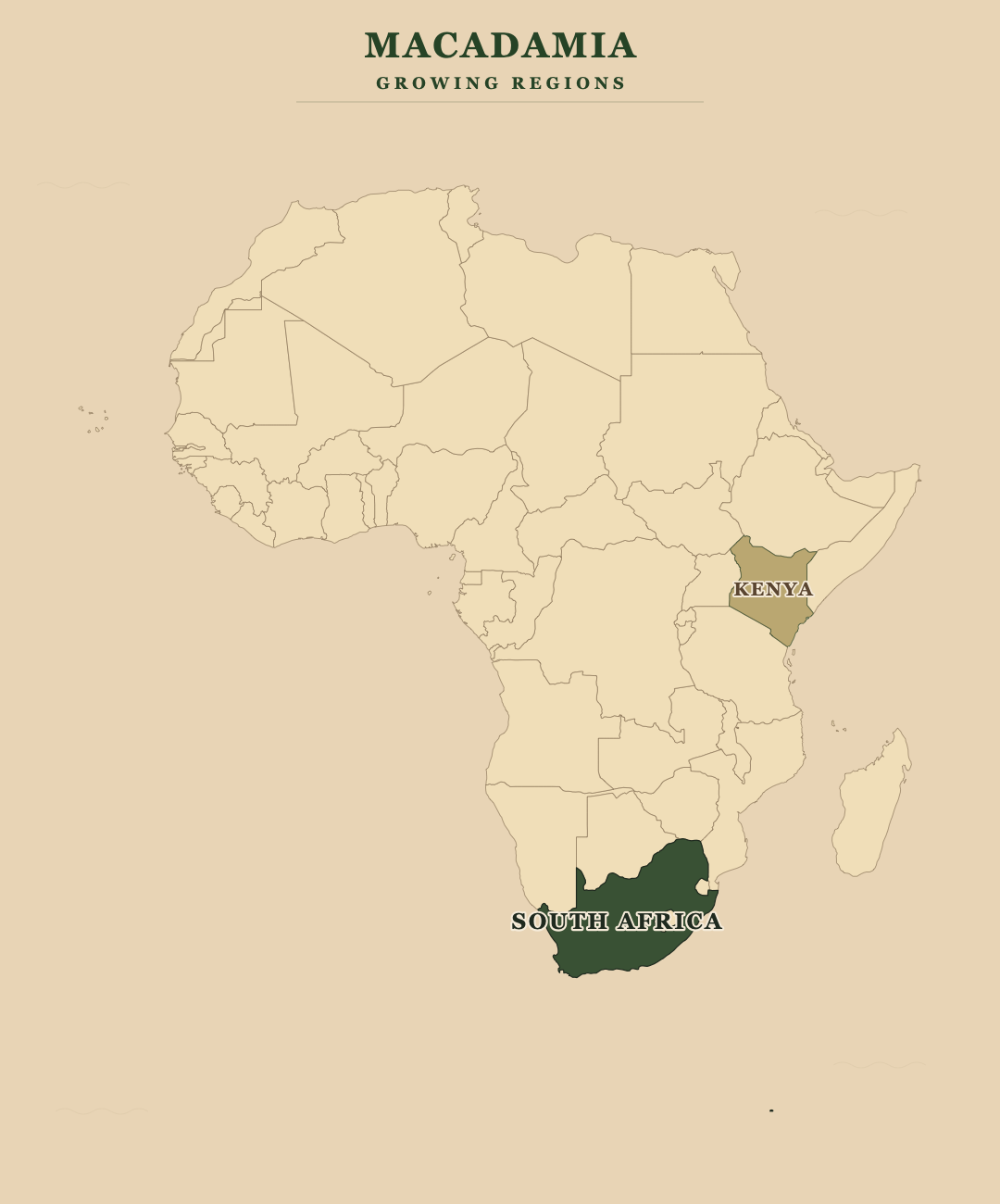
Macadamia is native to Australia, Australia (south-east Queensland, northern NSW), South Africa, with secondary growing regions in Hawaii, Kenya, Guatemala, China. |
Spice Story
Macadamia has been a traditional bushfood for the First Nations peoples of its rainforest range for tens of thousands of years; commercial cultivation began in the 19th century after the tree was named after Scottish-Australian chemist John Macadam. By the 21st century, macadamia is one of the world's most prized gourmet nuts — rich, buttery and uniquely textured, with a clean creamy flavour that distinguishes it from harder, more aggressive nuts like almond or hazelnut. In gin, macadamia is an unusual but growing contemporary native Australian botanical, providing soft buttery body and a quietly nutty character.
Gin Creativity
Macadamia brings rich buttery softness without aggressive nut character. A full sachet adds clear creamy-nut depth; a half-sachet provides quiet textural body that integrates with juniper. Pair with vanilla and coconut for a tropical-dessert profile, or with cacao nibs and cardamom for a richer winter gin.
Blending Science
Main flavour compounds
 Oleic acid—
 Palmitoleic acid—
 Volatile aldehydes (roast-derived)—
Pairs well with
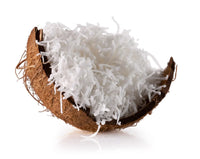
- Coconut
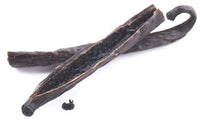
- Vanilla
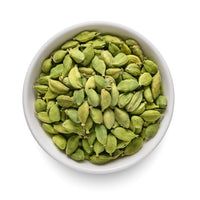
- Cardamom
- Cacao nibs
- Citrus peel
The flavour is dominated by fatty acids and roast-derived aromatics rather than volatile aromatics. Oleic acid makes up around 60% of the kernel oil — providing the soft buttery body. Palmitoleic acid is unusually high in macadamia (around 20%, much higher than other nuts) — this is the compound that contributes the characteristic "macadamia" mouthfeel. Volatile aldehydes develop during roasting and provide the deeper nutty aromatic. Long warm extraction develops the full character; the high oil content requires careful filtration to avoid clouding.
Food Partners
- Macadamia-and-honey desserts — Queensland classic.
- Asian-Australian fusion cooking — macadamia-crusted fish, satay sauces.
- White chocolate confections — macadamia-white-chocolate cookies.
- Roast chicken with stone fruit — macadamia-and-peach stuffing.
- Soft fresh cheeses — burrata and macadamia oil.
Cocktails To Try

- Macadamia Old Fashioned — macadamia gin, demerara, orange bitters.
- Queensland Sour — macadamia gin, honey, lemon, egg white.
- Tropical Old Fashioned — macadamia-and-coconut gin, demerara.
Release The Flavour
- Roast first — light to medium roast develops the nutty aromatics.
- Filter carefully — macadamia oil clouds the spirit.
- Time — 24–48 hours for full character.
- Pair with other rich botanicals — macadamia supports rather than leads.
Discover more
From the same region
Pairs well with
Same flavour family
Surprise me

Sources & Citations
- scientific_name (Macadamia integrifolia, Proteaceae):en.wikipedia.org/wiki/Macadamia
- queensland_origin:www.britannica.com/plant/macadamia
- only_australian_native_plant_developed_commercially:www.britannica.com/plant/macadamia
- cultivation_requirements:www.britannica.com/plant/macadamia
- flavour_profile_buttery_rich:tasterium.com/nutandseeds/408-macadamia.html
- main_flavour_compounds (CSV-sourced):inputs/source.csv — Macadamia row
