
EUCALYPTUS AUSTRALIANA

- Botanical name
- Eucalyptus radiata
- Also known as
- Narrow-leaved peppermint, Black peppermint, Australiana eucalypt
- Main flavour compound
- 1,8-Cineole
- Part used
- Dried leaf
- Method of cultivation
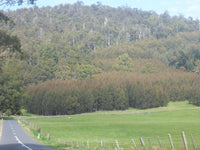
- Tall evergreen tree of the Myrtaceae family, growing 15–30 metres in native forest in cooler or wetter habitats across south-east Australia (NSW, ACT, Victoria, Tasmania). The species is sometimes called Australiana because of its formerly-used name *E. australiana*; modern taxonomy uses *Eucalyptus radiata*. There are up to six recognised chemotypes; the most common commercial form is the 1,8-cineole-rich chemotype favoured for essential oil production.
- Commercial preparation
- Leaves are harvested from cultivated or coppiced trees, gently dried, and either sold whole for direct use or steam-distilled for essential oil. The Australian oil is graded by 1,8-cineole content.
- Non-culinary uses
- Steam-inhalation and respiratory aromatherapy (gentler than Eucalyptus globulus blue gum); cosmetics and natural cleaning products; traditional Indigenous medicinal uses across south-east Australia.
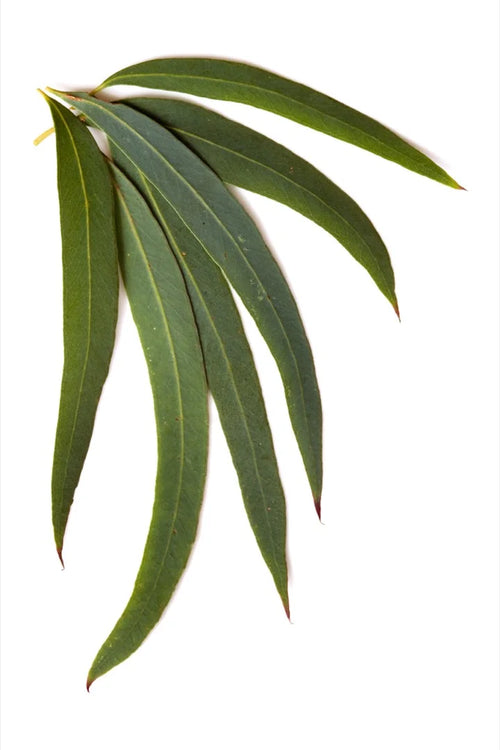
Eucalyptus Australiana — Eucalyptus radiata, also called Narrow-leaved Peppermint — is a tall evergreen of the Myrtaceae family, native to the cooler forests of south-east Australia. Adult trees reach 15–30 metres, with narrow, dark-green aromatic leaves that smell distinctly mint-edged when crushed (which is what earned the common name "peppermint gum" — a distinct plant from the herb peppermint). [source] The species has multiple chemotypes; the commercial one is rich in 1,8-cineole and is gentler in character than the dominant Eucalyptus globulus blue gum.
Whole dried leaf
Crumble lightly to expose oils before extraction.
Cracked leaf
Faster extraction; fades within months once cracked.
Region of cultivation
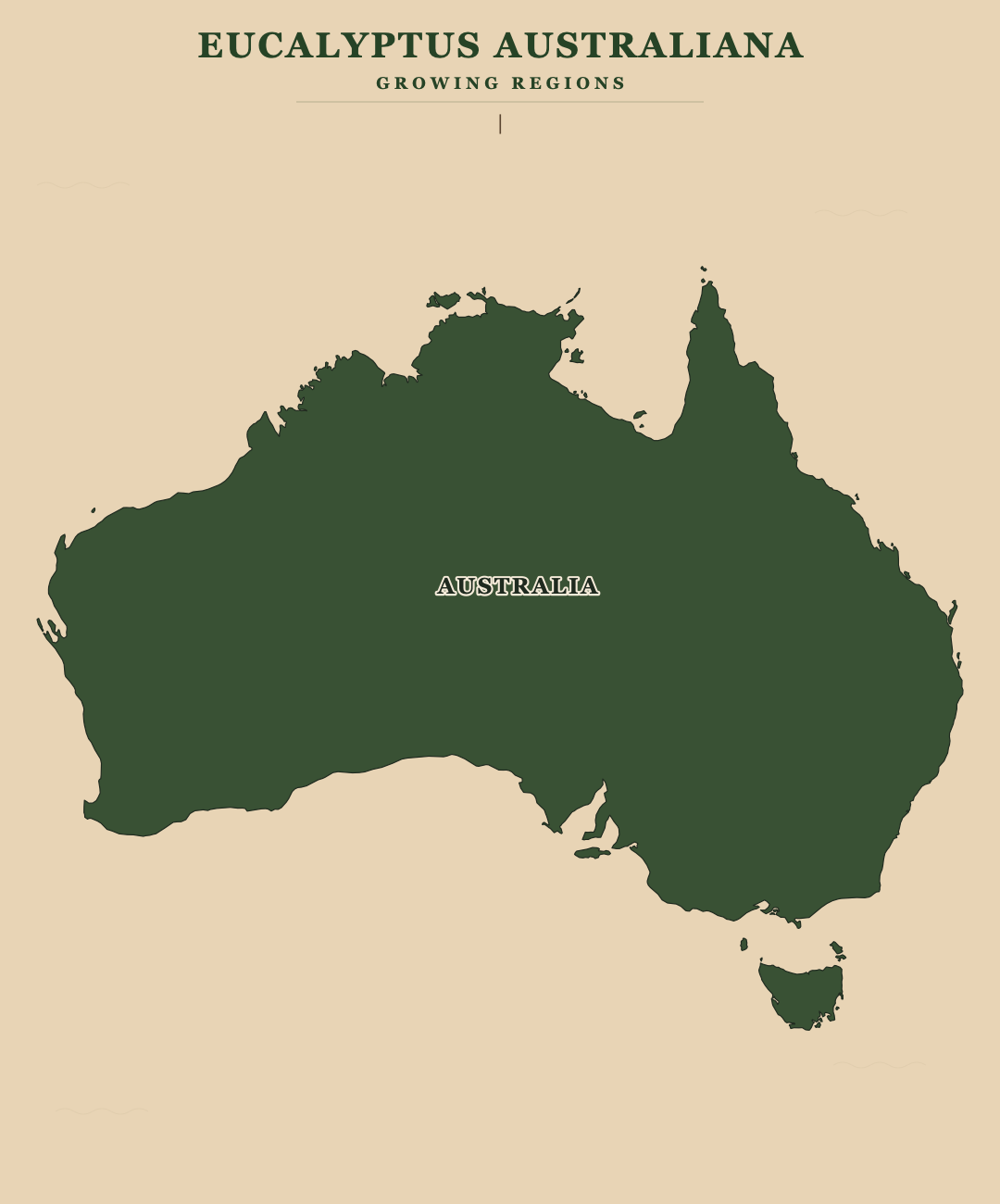
Eucalyptus Australiana is native to Australia, Australia — NSW, ACT, Victoria, Tasmania (forest and woodland), with secondary growing regions in Cultivated plantation worldwide for essential oil. |
Spice Story
Eucalyptus Australiana is the softer, sweeter Australian eucalypt of the commercial trade — considered gentler than blue gum and often preferred where a cleaner, more aromatic eucalypt character is wanted without the heavy medicinal edge. It is widely used in Australian aromatherapy and natural cosmetics, and increasingly in craft gin where distillers want native eucalypt without the camphor weight that blue gum brings. Indigenous Australians across the species' range have long used eucalypt leaves for smoke-cleansing, wound treatment and respiratory remedies.
Gin Creativity
A softer, more friendly eucalypt option. A full sachet adds clearly identifiable Australian eucalypt character; a half-sachet provides a gentle aromatic lift that pairs naturally with lemon myrtle, pepperberry and juniper for a bush-native gin. Avoid pairing with blue gum or bay leaf — too much cineole in one blend reads medicinal.
Blending Science
Main flavour compounds
 1,8-Cineoleeucalyptus, cool
 Alpha-Pinenefresh pine, top note
 Limoneneclean citrus lift
 Piperitone—
Pairs well with
1,8-Cineole dominates (typically 60–75% of the oil) but at lower concentration than blue gum, giving Australiana its softer character. Alpha-pinene layers a pine note that bridges to juniper. Limonene adds bright citrus. Piperitone is the distinguishing compound in some chemotypes, providing the gentle mint edge. Cineole is heat-stable and survives vapour or maceration cleanly.
Food Partners
- Honey-glazed roast lamb — eucalypt honey and lamb is a Tasmanian classic.
- Eucalypt honey desserts — pair the gin with eucalypt-honey ice cream.
- Cool summer salads — bush herbs and a Australiana-gin vinaigrette.
- Roasted root vegetables — eucalypt-gin reduction over roast parsnip and carrot.
- Spiced tea infusions — leaf-on-leaf bridge between black tea and eucalypt.
Cocktails To Try

- Native G&T — Australiana-gin with native tonic and a fresh eucalypt-leaf garnish.
- Bush Negroni — Australian gin with Australiana plus pepperberry, Campari, vermouth.
- Forest Sour — Australiana-gin, eucalypt honey, lemon, egg white.
Release The Flavour
- Crumble gently — exposes oils without bitterness.
- Heat is friendly — cineole survives all extraction methods.
- Time — short steeps capture brightness; long ones deepen body.
- Less is more — eucalypt dominates a blend in small amounts.
Discover more
From the same region
Pairs well with
Same flavour family
Surprise me

Sources & Citations
- scientific_name (Eucalyptus radiata; formerly Australiana):en.wikipedia.org/wiki/Eucalyptus_radiata
- native_range (NSW, ACT, Vic, Tas):en.wikipedia.org/wiki/Eucalyptus_radiata
- chemotypes (1,8-cineole most common; piperitone second):www.edenbotanicals.com/eucalyptus-narrow-leaf-organic.html
- cineole_content_strength:aussiebusharomas.com.au/products/euc-aust
- main_flavour_compounds (CSV-sourced):inputs/source.csv — Eucalyptus Australiana row
