
SICHUAN PEPPER

- Botanical name
- Zanthoxylum bungeanum
- Also known as
- Szechuan pepper, Hua Jiao (花椒, Chinese — "flower pepper"), Prickly ash
- Main flavour compound
- Hydroxy-Alpha-Sanshool
- Part used
- Dried papery fruit husk (the seeds are usually removed)
- Method of cultivation
- Small thorny tree of the Rutaceae family (the citrus family — NOT related to true pepper *Piper nigrum*). Native to China, with over 60 cultivated varieties and a history of use spanning over 2,600 years. The plant grows 4–7 metres tall, with compound leaves and clusters of small red-pink fruits. High-altitude cultivation (longer sunlight exposure) produces fruit with the strongest numbing character. Main cultivation centres: Hanyuan (Sichuan), Gansu, Hancheng (Shaanxi), and Yunnan.
- Commercial preparation
- Ripe fruit pods are picked, the small black bitter seeds removed (they have a sandy unpleasant texture), and the papery red husks dried. Quality grades vary by altitude, harvest timing and absence of stems/leaves.
- Non-culinary uses
- Foundational ingredient in Sichuan, Hunan, and broader Chinese cooking — defining the *má là* (numbing-hot) sensation characteristic of Sichuan cuisine; traditional Chinese medicine for digestion and circulation; the related Japanese *sansho* (*Zanthoxylum piperitum*) is a closely-related species.
Sichuan Pepper — Zanthoxylum bungeanum — is not a true pepper. Despite the name and superficial resemblance to peppercorns, Sichuan Pepper is the dried fruit husk of a small thorny tree of the Rutaceae family (the same family as citrus — completely unrelated to Piper nigrum). The plant has been cultivated in China for over 2,600 years with more than 60 distinct varieties documented. [source] What we use is specifically the papery red husk; the small bitter black seeds inside are removed during processing. The defining feature of Sichuan Pepper is the unique numbing-tingling sensation it produces — distinct from chilli heat and from true pepper warmth.
Whole dried husk
The standard form — toast briefly before use for the most aromatic release.
Ground
Convenient but loses character within months.
Region of cultivation
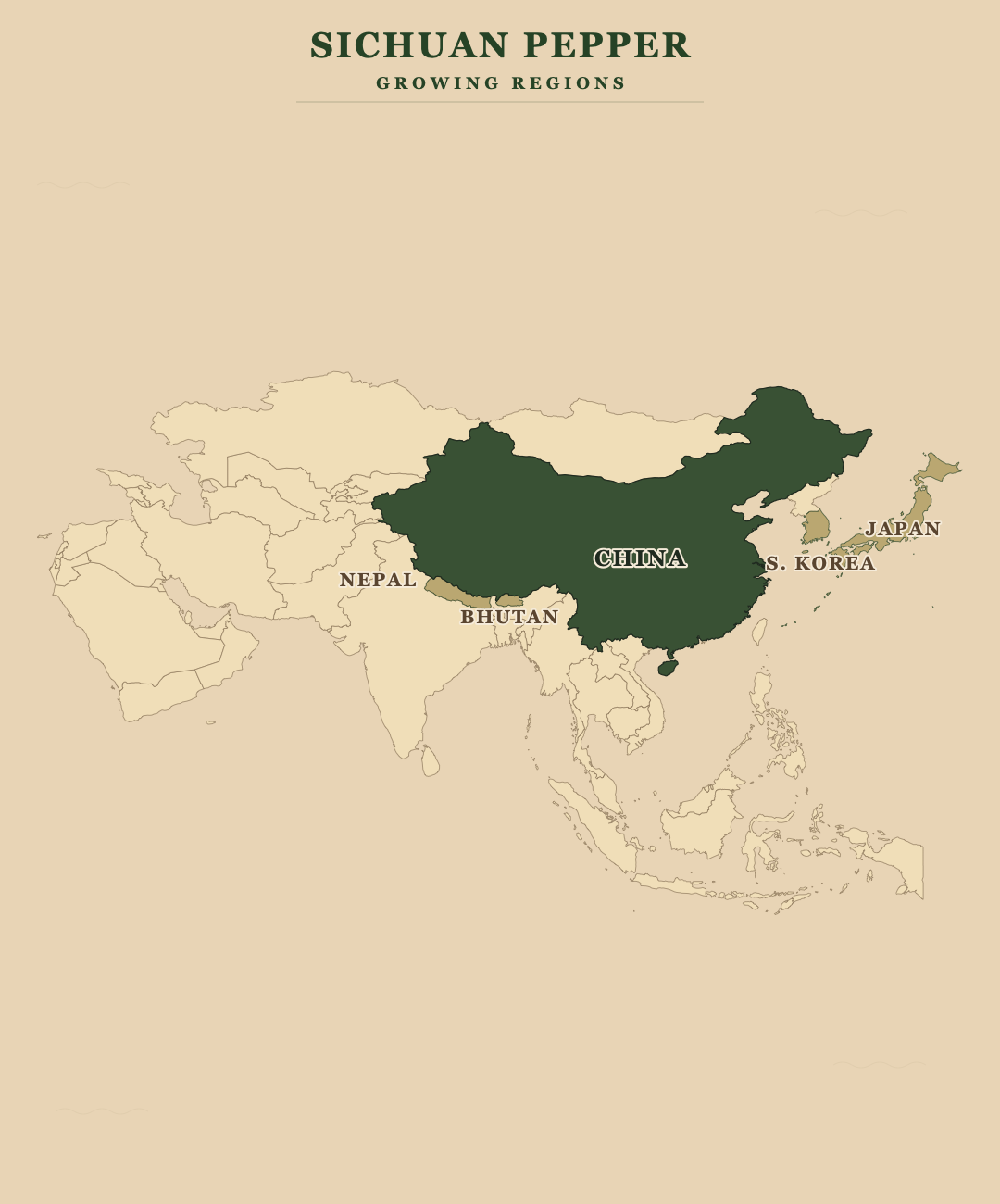
Sichuan Pepper is primarily cultivated in China (Sichuan, Gansu, Shaanxi, Yunnan provinces), with secondary growing regions in Japan (sansho), Korea, limited production in Bhutan, Nepal.
Spice Story
Sichuan Pepper is foundational to Chinese cuisine, particularly Sichuan and Hunan cooking — the má là (numbing-hot) sensation characteristic of Sichuan dishes combines Sichuan Pepper's numbness (má) with chilli heat (là). The numbing effect is real chemistry: the compound hydroxy-alpha-sanshool activates touch receptors at a frequency of about 50 Hertz, tricking the brain into perceiving a vibrating mouth sensation. [source] In gin, Sichuan Pepper is a distinctive contemporary botanical providing genuinely unique aromatic-tingling character.
Gin Creativity
Sichuan Pepper brings unique numbing-tingling sensation alongside citrus-bright aromatic. A quarter to half sachet is plenty — the sanshool effect builds across a blend. Pair with star anise and citrus peel for a Sichuan-style profile, or with cardamom and ginger for a broader East-Asian blend.
Blending Science
Main flavour compounds
 Hydroxy-Alpha-Sanshool—
 Hydroxy-Beta-Sanshool—
 Linaloolfloral, soft
 Limoneneclean citrus lift
Pairs well with
- Star anise
- Citrus peel
- Cardamom
- Ginger
- Sichuan-style chilli
Hydroxy-alpha-sanshool is the defining compound — responsible for the numbing-tingling sensation that activates touch receptors at ~50 Hz. Hydroxy-beta-sanshool contributes additional numbing complexity. Linalool layers a soft floral lift (a feature shared with citrus — Sichuan Pepper is in the citrus family). Limonene provides bright citrus character. Cool extraction preserves the bright aromatic; heat affects the sanshools.
Food Partners
- Sichuan má pó tófu — the canonical má là dish.
- Hunan slow-braised meats — Sichuan Pepper in braising spice.
- Japanese sansho-flavoured eel — unagi with Japanese sansho.
- Spice-rubbed grilled meats — Sichuan Pepper dry rub.
- Citrus-pepper desserts — surprising Sichuan-pepper-lime cocktails and ice cream.
Cocktails To Try

- Numbing Negroni — Sichuan Pepper gin, Campari, vermouth.
- Sichuan Sour — Sichuan Pepper gin, lime, sugar, egg white.
- Mala G&T — Sichuan Pepper gin, tonic, chilli rim.
Release The Flavour
- Toast briefly — wakes up the aromatic oils and sanshools.
- Cool to moderate warmth — preserves the unique tingling effect.
- Source matters — Hanyuan Sichuan and Gansu Fujiao are the premium grades.
- Less is more — sanshool builds quickly in a blend.
Discover more
From the same region
Pairs well with
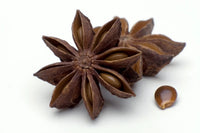
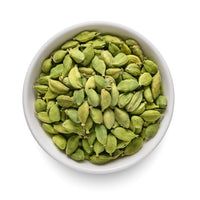
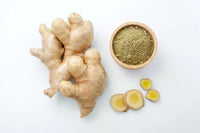
Same flavour family
Surprise me

Sources & Citations
- scientific_name (Zanthoxylum bungeanum, Rutaceae — not true pepper):en.wikipedia.org/wiki/Sichuan_pepper
- 2600_year_usage_history:www.chinapepper.net/Zanthoxylum-Bungeanum--The-Culinary-a...
- hydroxy_alpha_sanshool_numbing_compound:50hertzfoods.com/blogs/blog/why-does-sichuan-szechuan-foo...
- 50_hertz_vibration_sensation:50hertzfoods.com/blogs/blog/why-does-sichuan-szechuan-foo...
- 60_chinese_cultivars:pmc.ncbi.nlm.nih.gov/articles/PMC12248581/
- main_flavour_compounds (CSV-sourced):inputs/source.csv — Sichuan Pepper row
