
CUCUMBER

- Botanical name
- Cucumis sativus
- Also known as
- Garden cucumber
- Main flavour compound
- (E,Z)-2,6-Nonadienal
- Part used
- Fruit (fresh, sliced or juiced)
- Method of cultivation
- An annual creeping vine of the gourd family (Cucurbitaceae) that climbs trellises by tendrils, bearing the fruit botanically classified as a pepo — a berry with a firm outer rind. Frost-tender and thirsty for warmth and water, it has been cultivated for at least 3,000 years.
- Commercial preparation
- For gin and food the fruit is used fresh — sliced, pressed or juiced — rather than dried, because its signature aroma lives in volatile aldehydes that fade quickly once the fruit is cut. Distillers typically infuse fresh cucumber or add a cucumber distillate/essence after the main spirit run to keep the note bright.
- Non-culinary uses
- Cosmetics and skincare (soothing eye and skin preparations); ornamental garden vine.
Cucumber — Cucumis sativus — is an annual creeping vine of the gourd family, hauling itself up trellises and netting by curling tendrils. [source] The familiar long green fruit is botanically a pepo: a berry with a firm rind and soft, seeded, water-laden flesh. [source] Frost-tender and thirsty for both warmth and water, it has been coaxed from gardens for at least three thousand years — one of the oldest cultivated plants you can name. [source]
Fresh, sliced
The standard form — slice into the still or steep in spirit; use it the day you cut it.
Fresh-pressed juice
Fast, vivid extraction for cordials and post-distillation additions; oxidises within hours.
Region of cultivation
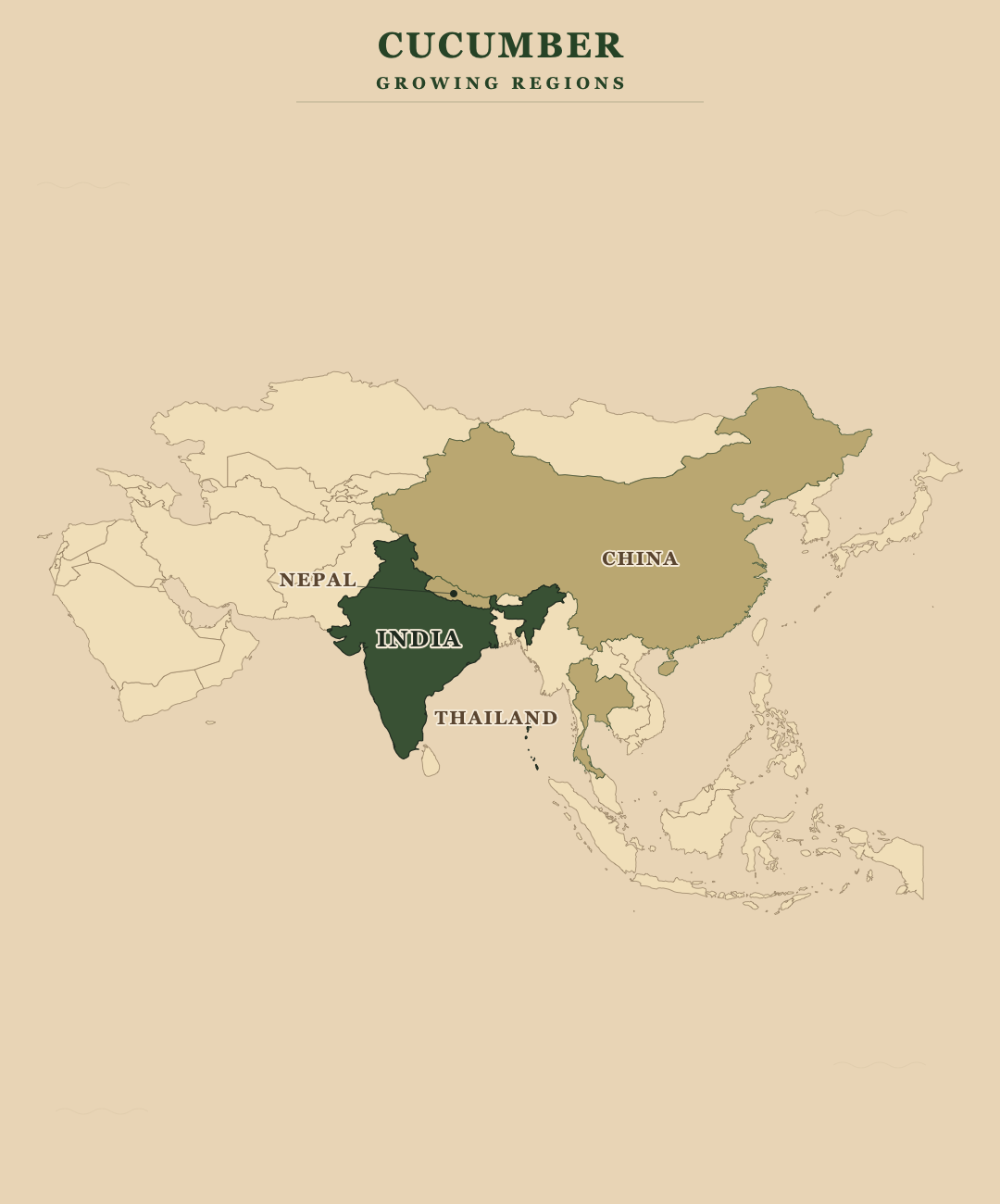
Cucumber is primarily cultivated in India, with secondary growing regions in Nepal, China, Northern Thailand.
Spice Story
Cucumber's roots run back to the Himalayan foothills of northern India, where it was domesticated from the wild C. sativus var. hardwickii across a band reaching into Nepal, China and northern Thailand. [source] From there it travelled west and became a Roman obsession: Pliny the Elder records that the Emperor Tiberius wanted cucumbers on his table every day of the year, so his gardeners built wheeled beds glazed with sheets of mica — a mobile proto-greenhouse rolled into the sun and indoors against the cold. [source] The vine threaded through medieval Europe — cultivated in France by the ninth century and England by the fourteenth — and crossed the Atlantic with Spanish explorers, reaching Haiti in 1494. [source] A humble fruit with an imperial past, and, much later, the botanical that would reinvent the gin and tonic.
Gin Creativity
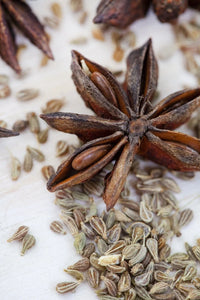
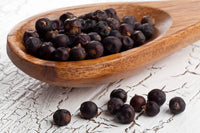
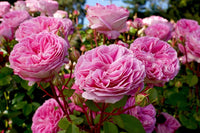
Cucumber is a quiet, cooling botanical — it works by softening and freshening rather than shouting. Use it fresh and use it the day you cut it, because the aroma fades fast. A generous infusion makes a gin unmistakably cool and garden-green; a lighter touch simply rounds the edges and lengthens the finish. Pair it with Rose for the classic Hendrick's-style floral-cucumber axis, or with Juniper, Coriander Seed and a whisper of Elderflower for a clean contemporary style.
Blending Science
Main flavour compounds
 (E,Z)-2,6-Nonadienal—
 (E)-2-Nonenal—
 Nonanal—
 (E,Z)-2,6-Nonadien-1-ol—
Pairs well with
The cucumber note is carried almost entirely by C9 aldehydes. (E,Z)-2,6-Nonadienal — literally "cucumber aldehyde" — is the most abundant and the defining odorant, with its alcohol partner (E,Z)-2,6-nonadien-1-ol adding a soft, watery cucumber-melon roundness. [source] (E)-2-Nonenal and nonanal fill in the green, fatty, waxy edges. [source] These aldehydes are volatile and short-lived — they form when the fruit is cut and oxidise away quickly — so cool, brief contact and fresh fruit protect the note. [source] Add cucumber late, keep it cold, and pair with floral lift rather than heat.
Food Partners
- Smoked salmon: cucumber's cool green cuts the oily smoke — a gin-cured classic.
- Goat's cheese: fresh, watery cucumber lightens the tang.
- Dill and yoghurt: the tzatziki axis — herb, acid and cucumber built for each other.
- Watermelon and feta: echoes cucumber's melon-side aldehydes against salty cheese.
- Gin-cured fish: cucumber in the cure mirrors a cucumber-forward gin in the glass.
Cocktails To Try

- Hendrick's & tonic: the gin that made cucumber famous — launched 1999 by Lesley Gracie at William Grant & Sons in Girvan, Scotland, infused with cucumber and Bulgarian rose, and famously served garnished with cucumber instead of citrus. [source]
- Classic G&T garnish: a ribbon of fresh cucumber is the cool, modern alternative to the lime wedge.
- Cucumber Collins: muddled cucumber, gin, lemon and soda — long, green and thirst-quenching.
- Eastside / Southside riff: cucumber, mint and lime over gin for a garden-fresh sour.
Release The Flavour
- Heat: keep it cool — the cucumber aldehydes are fragile and warm extraction flattens them.
- Alcohol: fresh cucumber gives up its aroma readily into spirit; a short steep is plenty.
- Time: minutes to a few hours, not days — over-long contact turns it dull and vegetal.
- Water: dilution and ice flatter cucumber, opening the watery-green freshness in the glass.
Discover more
From the same region


Pairs well with
Same flavour family
Surprise me

Sources & Citations
- scientific_name (Cucumis sativus L., Cucurbitaceae):GBIF Backbone Taxonomy, usageKey 2874569 (Cucumis sativus...
- method_of_cultivation (annual creeping vine, tendrils/trellis, fruit a pepo, ~3,000 years cultivation):en.wikipedia.org/wiki/Cucumber
- origin / domestication (India, Himalayan foothills; wild C. sativus var. hardwickii; region from India/Nepal/China/N Thailand):en.wikipedia.org/wiki/Cucumber
- history (Tiberius ate them daily per Pliny; Roman mobile mica-glazed frames; France 9th c., England 14th c., Haiti 1494):en.wikipedia.org/wiki/Cucumber
- commercial_preparation (used fresh because aroma lives in fast-fading volatile aldehydes):pmc.ncbi.nlm.nih.gov/articles/PMC9527598/
- main_flavour_compounds ((E,Z)-2,6-nonadienal most abundant & characteristic; C9 give cucumber note, C6 grassy; range 1.261–12.348 µg/g FW):Quantitative trait locus mapping of fruit aroma compounds...
- compound ((E,Z)-2,6-nonadienal a key odorant of cucumber, green fresh cucumber odour):(E,Z)-2,6-Nonadienal, Perfumer & Flavorist — www.perfumer...
- pubchem_cids (nonadienal 643731; (E)-2-nonenal 5283335; nonanal 31289; nonadien-1-ol 5362833):PubChem REST — pubchem.ncbi.nlm.nih.gov/rest/pug/compound...
- hendricks_gin (launched 1999, Lesley Gracie, William Grant & Sons, Girvan Scotland; cucumber + Bulgarian rose essence post-distillation; serve garnished with cucumber not citrus):en.wikipedia.org/wiki/Hendrick's_Gin
- hero_image:iStock royalty-free licence (asset 95702782)
