
PARSLEY

- Botanical name
- Petroselinum crispum
- Also known as
- Curly parsley, Flat-leaf parsley (var. *neapolitanum*), Italian parsley
- Main flavour compound
- Myristicin
- Part used
- Dried leaf
- Method of cultivation
- Biennial herb of the Apiaceae family (the same family as carrot, celery, coriander, fennel), native to the central Mediterranean. The plant grows about 30 cm tall in its first year as a rosette of bright-green deeply-cut leaves; in the second year it bolts to flower and seed. Two main cultivar groups dominate commerce: **curly parsley** (the frilly garnish leaf) and **flat-leaf or Italian parsley** (the cleaner-flavoured cooking herb). Cultivated worldwide; commercial production centres on Mediterranean Europe, North America and Australia.
- Commercial preparation
- Leaves are harvested at peak growth (the rosette stage in year one), gently dried at low temperature to preserve the volatile compounds, and either freeze-dried or air-dried for the herb trade. Freeze-dried preserves bright green colour and most of the volatile aromatic.
- Non-culinary uses
- Foundational kitchen herb across European, Middle Eastern and Mediterranean cooking; traditional medicine for digestion and as a mild diuretic; modern garnish standard.
Parsley — Petroselinum crispum — is a biennial herb of the Apiaceae family (the carrot/celery/coriander family), native to the central Mediterranean. The plant grows about 30 cm tall in its first year, with the familiar bright-green deeply-cut leaves; in the second year it sends up a flowering stalk and produces small white umbels of flowers. Two main cultivar groups are widely grown: curly parsley (with frilly leaves, traditional garnish use) and flat-leaf parsley (cleaner flavour, the cooking standard across Italy and the Mediterranean). Most commercial production now uses the flat-leaf variety. [source]
Whole dried leaf
The standard form — crumble lightly to release the oils.
Cracked tea-cut
Faster extraction.
Region of cultivation
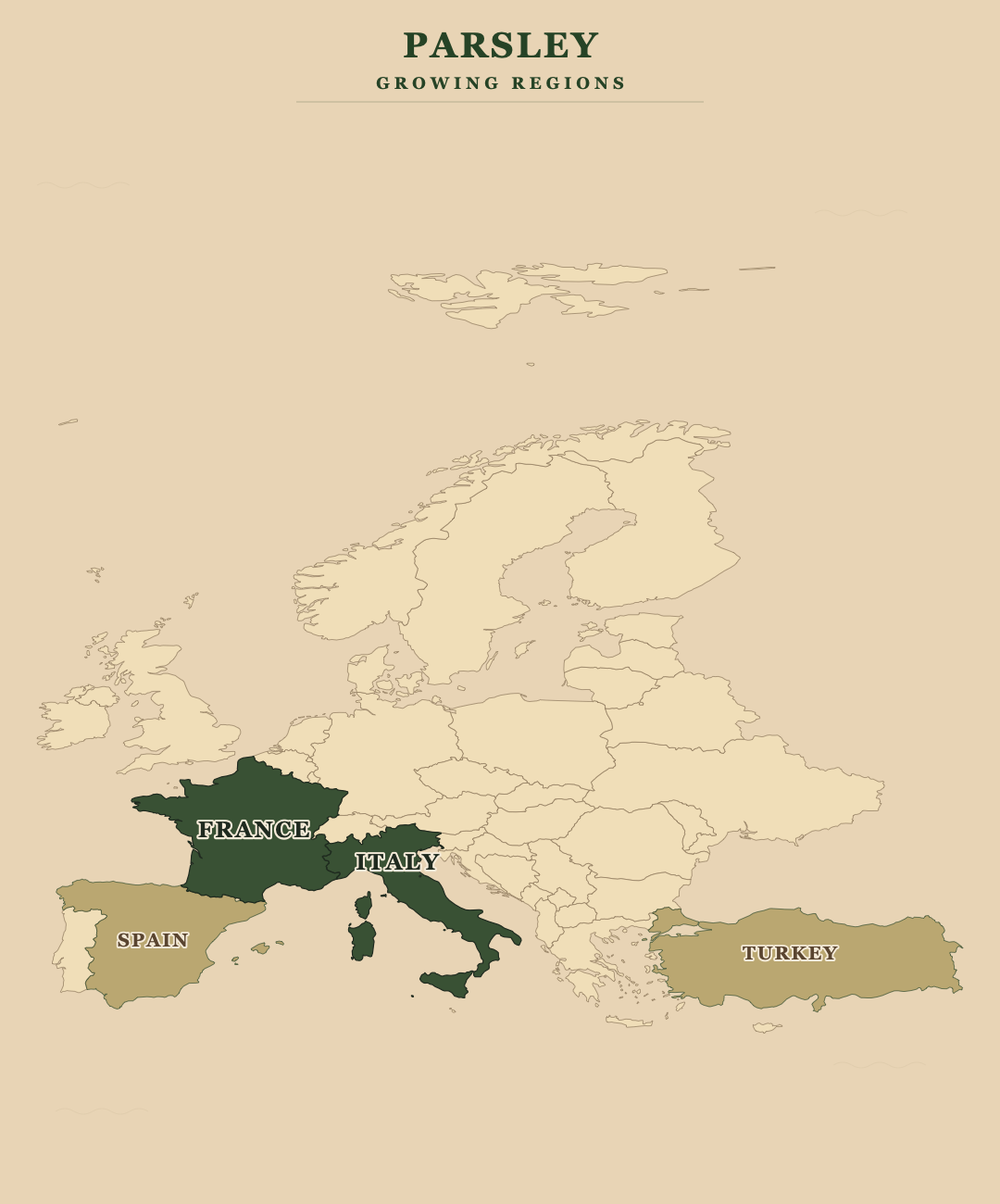
Parsley is primarily cultivated in Italy, Egypt, USA, France, with secondary growing regions in Spain, Turkey, Australia, China, India.
Spice Story
Parsley has been cultivated across the Mediterranean for at least 2,000 years. The ancient Greeks and Romans used it widely as both a culinary herb and as a medicinal plant — the Romans also wove parsley wreaths at funerals as a symbol of strength. In medieval Europe parsley became foundational to almost every culinary tradition north of the Alps. Modern global production has expanded enormously thanks to its garnish role; the herb appears in nearly every Western restaurant kitchen. In gin, parsley is an unusual but growing contemporary botanical, particularly in "kitchen garden" and savoury craft expressions.
Gin Creativity
Parsley brings clean bright-green character with a faintly peppery edge. A full sachet pushes a gin into clearly herbaceous-garden territory; a half-sachet provides quiet fresh-green depth that integrates with juniper. Pair with chives and lemon balm for a kitchen-garden profile, or with celery seed and borage for a savoury blend.
Blending Science
Main flavour compounds
 Myristicin—
 Apioleparsley, musky-green
 Alpha-Pinenefresh pine, top note
 Beta-Pinenefresh pine, top note
Pairs well with
- Lemon balm
- Chives
- Borage
- Celery seed
- Lemon peel
Myristicin is a phenylpropanoid related to nutmeg's myristicin — providing warming herbaceous depth. Apiole (named for parsley's family Apiaceae) contributes a slightly bitter green note. Alpha-pinene and beta-pinene layer pine-resinous backbone that bridges parsley to juniper. Cool extraction preserves the bright green character; warm extraction develops a deeper, slightly stewed note.
Food Partners
- Tabbouleh — Lebanese parsley-dominated salad.
- Salsa verde — Italian and Latin American green sauces.
- Italian gremolata — parsley, garlic, lemon zest.
- Roast chicken with herbs — parsley in stuffing and finishing sauces.
- Egg dishes — omelettes and frittatas.
Cocktails To Try

- Garden Bloody Mary — parsley gin, tomato, lemon, celery garnish.
- Green Garden G&T — parsley gin, tonic, fresh herb garnish.
- Salsa Verde Sour — parsley gin, lime, sugar, egg white.
Release The Flavour
- Cool extraction — preserves bright green character.
- Brief contact — 1–4 hours captures freshness.
- Whole leaf — freeze-dried holds character much longer.
- Source matters — flat-leaf parsley produces cleaner gin character than curly.
Discover more

Pairs well with
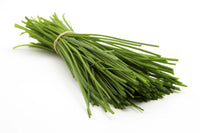
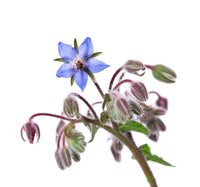
Same flavour family
Surprise me

Sources & Citations
- scientific_name (Petroselinum crispum, Apiaceae):en.wikipedia.org/wiki/Parsley
- mediterranean_origin:gernot-katzers-spice-pages.com/engl/Petr_cri.html
- chemical_compounds (apiole, myristicin, pinenes):www.sciencedirect.com/topics/agricultural-and-biological-...
- curly_vs_flat_leaf_varieties:gernot-katzers-spice-pages.com/engl/Petr_cri.html
- main_flavour_compounds (CSV-sourced):inputs/source.csv — Parsley row
