
LAVENDER


- Botanical name
- Lavandula angustifolia
- Also known as
- True lavender, English lavender, Common lavender
- Main flavour compound
- Linalool
- Part used
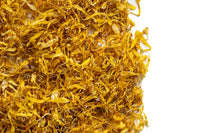
- Dried flower (whole buds and small stem fragments)
- Method of cultivation
- Aromatic perennial shrub of the Lamiaceae (mint) family, native to the Mediterranean and cultivated worldwide. *Lavandula angustifolia* — the "true" lavender — is the highest-quality commercial species; it grows best at altitudes of 500–1500 m in well-drained calcareous soil. Provence (France) is the most famous production region, with Bulgaria and Hungary also major producers. The flowers bloom from June to August.
- Commercial preparation
- Flowers are harvested at peak bloom — typically when about half of each spike has opened — by mechanical or hand cutting, then either gently dried for whole-flower use or steam-distilled for essential oil. Cool, slow drying preserves the bright floral character; high-heat drying flattens it.
- Non-culinary uses
- One of the most economically important fragrance plants in the world — perfumery, soap, cosmetics, aromatherapy, household scenting; traditional medicine across Mediterranean and European herbal systems for stress, sleep and minor skin complaints; foundational in Provençal traditional medicine.
True lavender — Lavandula angustifolia — is an aromatic perennial shrub of the mint family, native to the Mediterranean and now cultivated worldwide in temperate regions. The plant grows 30–80 cm tall, with narrow silver-green leaves and tall spikes of small purple flowers in mid-summer. It prefers full sun, calcareous well-drained soil, and (notably) high altitude — the best commercial lavender comes from plateaux 500–1500 m above sea level, which is why Provence's Plateau de Valensole and the Bulgarian Rose Valley produce such legendary product. [source]
Whole dried bud
The standard form — visually striking and slow-releasing.
Loose dried florets
Faster extraction; common in tea-bag-style sachets.
Region of cultivation
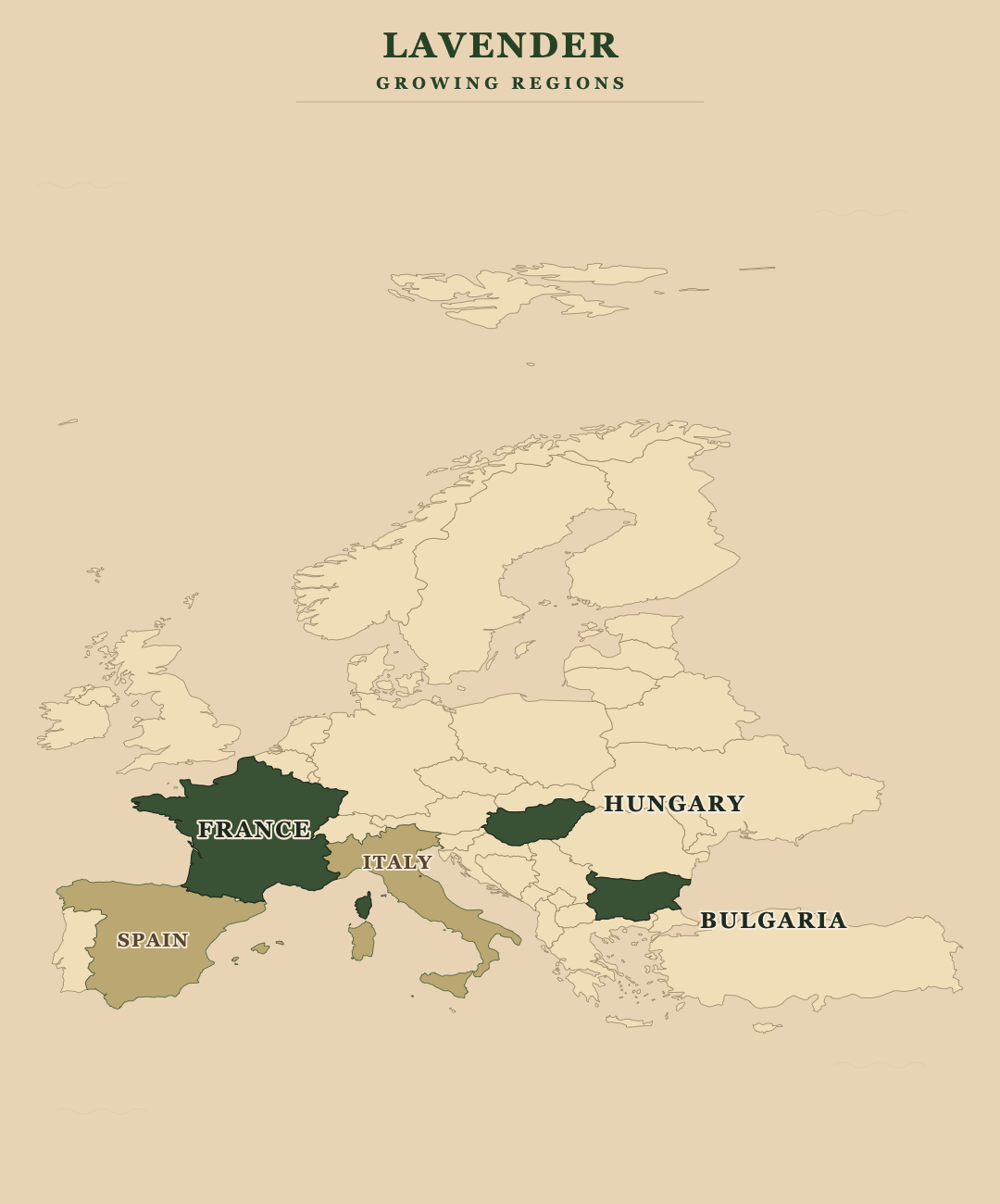
Lavender is primarily cultivated in France (Provence), Bulgaria, Hungary, with secondary growing regions in Italy, Spain, USA, Australia (Tasmania).
Spice Story
Lavender is one of the most economically significant fragrance plants in human history. The Romans used it in their baths (the Latin name comes from lavare, "to wash"). Medieval monastic gardens grew it as a strewing herb. By the 19th century, French Provence had established itself as the global centre of fine lavender, and the industry remains foundational to the region's economy and identity. Bulgaria has emerged as the largest world producer by volume, but Provence retains the premium reputation. In gin, lavender is one of the most foundational contemporary floral botanicals — present in Hendrick's-style florals, Mediterranean garden gins, and Provençal-style craft expressions worldwide.
Gin Creativity
Lavender brings clear floral character with a soft camphor edge. A full sachet pushes a gin firmly into Provençal-floral territory; a half-sachet adds a quiet floral lift that integrates with juniper. Pair with rose petal for layered florals, or with bergamot and honey for a Mediterranean profile. Avoid combining with overly assertive aromatics — lavender's character is buried by heavy spice.
Blending Science
Main flavour compounds
 Linaloolfloral, soft
 Linalyl acetate—
 Camphor—
 1,8-Cineoleeucalyptus, cool
Pairs well with
- Rose petal
- Chamomile
- Bergamot
- Honey
- Citrus peel
The chemistry is dominated by linalool (20–45% of the oil) and linalyl acetate (25–46%). [source] Linalool is the same compound that defines coriander seed and bergamot (which is why these botanicals work so well together in lavender-leaning gins). Linalyl acetate provides the slightly sweet floral lift. Camphor (typically under 5% in true lavender, much higher in some hybrid lavandins) and 1,8-cineole contribute background depth. High-altitude L. angustifolia has the lowest camphor content and the cleanest floral character; commercial "lavandin" hybrids have much higher camphor and a sharper, more medicinal aroma. Cool extraction preserves the bright top.
Food Partners
- Honey desserts — lavender honey is foundational; pair with lavender gin for doubled effect.
- Stone-fruit dishes — peach-and-lavender, apricot-and-lavender are chef classics.
- Soft white cheese — chèvre with lavender-honey drizzle.
- Lamb roasts — Provençal lamb with herbes de Provence.
- Provençal seasoning blends — herbes de Provence always includes lavender.
Cocktails To Try

- Lavender Bee's Knees — lavender gin, honey, lemon.
- Lavender Negroni — lavender gin, Campari, sweet vermouth.
- French 75 (with lavender) — lavender gin, champagne, lemon, sugar.
Release The Flavour
- Cool extraction — preserves the bright floral top.
- Brief contact — 30 minutes to 2 hours; longer extractions emphasise camphor.
- True lavender, not lavandin — for clean floral character.
- Source matters — high-altitude Provençal or Bulgarian product is distinctly cleaner than low-altitude alternatives.
Discover more
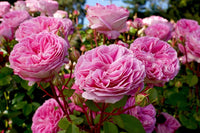
Same flavour family
Surprise me

Sources & Citations
- scientific_name (Lavandula angustifolia, Lamiaceae):www.ncbi.nlm.nih.gov/pmc/articles/PMC8072768/
- mediterranean_origin:www.lisabronner.com/two-days-in-provence-tracing-lavender...
- provence_cultivation_history:www.lisabronner.com/two-days-in-provence-tracing-lavender...
- oil_chemistry (linalool 20-45%, linalyl acetate 25-46%):www.ncbi.nlm.nih.gov/pmc/articles/PMC8072768/
- high-altitude_cultivation_preference:pranarom.us/products/lavender-essential-oil-3
- main_flavour_compounds (CSV-sourced):inputs/source.csv — Lavender row
