
HORSERADISH

- Botanical name
- Armoracia rusticana
- Also known as
- Red Cole, Mountain radish, Khren (Slavic)
- Main flavour compound
- Allyl isothiocyanate
- Part used
- Dried root (sliced, chipped or powdered)
- Method of cultivation
- Hardy perennial root crop of the Brassicaceae family (the cabbage/mustard family), indigenous to temperate Eastern Europe and Western Asia. Cultivated for over 3,000 years across Europe; modern commercial production centres on Eastern Europe (Hungary, Poland, the Czech Republic), Germany and the USA. The plant grows from a thick taproot, with broad rough leaves and white four-petalled flowers in early summer.
- Commercial preparation
- Roots are dug in autumn, washed, sliced or chipped, and dehydrated at low temperature. The dried form is much less aggressive than fresh — the volatile allyl isothiocyanate is partially lost during drying — but enough remains for distilling work. For the freshest character, dried horseradish should be rehydrated briefly before use.
- Non-culinary uses
- Foundational European condiment (German *Meerrettich*, Polish *chrzan*, English horseradish sauce); traditional medicine for circulatory and respiratory complaints; the same allyl-isothiocyanate chemistry is what makes wasabi and English mustard "hot".
Horseradish — Armoracia rusticana — is a hardy perennial root crop of the Brassicaceae (cabbage/mustard) family, indigenous to temperate Eastern Europe and Western Asia. The plant grows about 1 metre tall, with large rough leaves and small white four-petalled flowers in early summer. The working part is the thick, gnarled taproot — pungent, white-fleshed, and intensely volatile when grated. Like all the brassicas, horseradish has been cultivated for over 3,000 years; it has been a fixture of European cooking and medicine since classical times. [source]
Dried sliced root
The standard form — releases sharp character in cool maceration.
Powdered
Faster extraction but loses character very quickly.
Region of cultivation
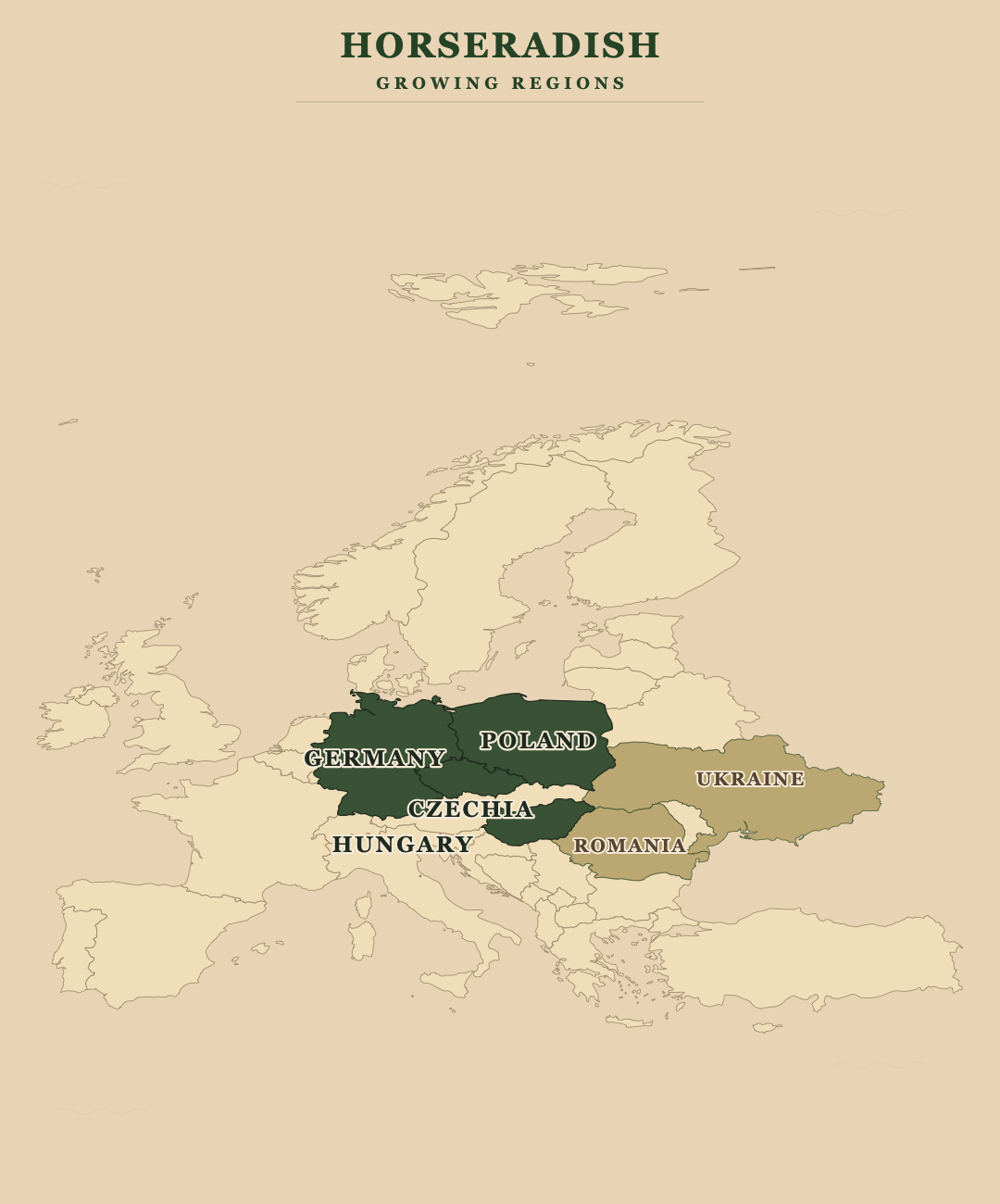
Horseradish is primarily cultivated in Hungary, Germany, Poland, Czech Republic, with secondary growing regions in USA (Illinois leads US production), Russia, Romania.
Spice Story
Horseradish is foundational to Central, Northern and Eastern European cooking. The German tradition pairs it with roast beef and smoked fish; the Polish chrzan is a Passover and Easter staple; Russian, Czech, Hungarian and Scandinavian cooking all use it widely. In the UK, horseradish sauce is the traditional accompaniment to roast beef. The intense pungency comes from a chemical defence mechanism: the intact root contains the precursor compound sinigrin, which is converted to the volatile allyl isothiocyanate the moment the cells are damaged — the same defensive chemistry as mustard, wasabi and watercress, all from the same family. In craft gin, horseradish is an unusual but distinctive savoury botanical, particularly in Bloody-Mary-style and contemporary "kitchen garden" gins.
Gin Creativity
Horseradish is powerful — use sparingly. A quarter to half sachet adds clear savoury sharpness; a full sachet pushes a gin firmly into savoury Bloody-Mary territory. Pair with beetroot, dill and caraway for a clearly Eastern European savoury profile. Avoid combining with very subtle florals.
Blending Science
Main flavour compounds
 Allyl isothiocyanatemustardy heat
 2-Phenylethyl isothiocyanatemustardy heat
 Sinigrin—
Pairs well with
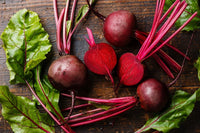
- Beetroot
- Dill
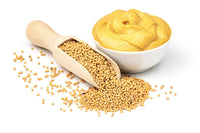
- Mustard seed
- Caraway
- Lemon peel
Sinigrin is the precursor — a glucosinolate compound stored stably in intact root cells. When cells are damaged (by grating or alcohol extraction), the enzyme myrosinase converts sinigrin to allyl isothiocyanate (AITC), the volatile compound responsible for horseradish's characteristic burn. [source] 2-Phenylethyl isothiocyanate is the secondary heat compound. AITC is highly volatile and degrades quickly when exposed to heat, air or light — which is why cool, brief extraction works best. [source]
Food Partners
- Roast beef and prime rib — the canonical British and German pairing.
- Smoked fish — salmon, trout, mackerel.
- Beetroot soups — Polish barszcz, Russian borscht.
- Bloody Mary cocktails — the foundational savoury cocktail.
- Cocktail sauce — prawn cocktails worldwide.
Cocktails To Try

- Savoury Bloody Mary — horseradish gin, tomato, lemon, hot sauce.
- Caesar (Canadian style) — horseradish gin, clamato.
- Beet-and-horseradish Sour — horseradish gin, beetroot syrup, lemon.
Release The Flavour
- Cool, brief extraction — AITC is heat-sensitive and volatile.
- Use immediately — extracted horseradish gin loses pungency over weeks.
- Strain quickly — the longer the root sits, the more bitter the extraction.
- Pair carefully — horseradish is dominant; partner with bold flavours only.
Discover more
From the same region
Pairs well with
Same flavour family
Sources & Citations
- scientific_name (Armoracia rusticana, Brassicaceae):en.wikipedia.org/wiki/Horseradish
- native_range (temperate Eastern Europe / Western Asia):en.wikipedia.org/wiki/Horseradish
- 3000_year_cultivation:en.wikipedia.org/wiki/Horseradish
- allyl_isothiocyanate_signature_compound:en.wikipedia.org/wiki/Allyl_isothiocyanate
- AITC_volatility_and_instability:www.flavorist.com/horseradish-as-a-natural-flavoring-a-co...
- main_flavour_compounds (CSV-sourced):inputs/source.csv — Horseradish row
